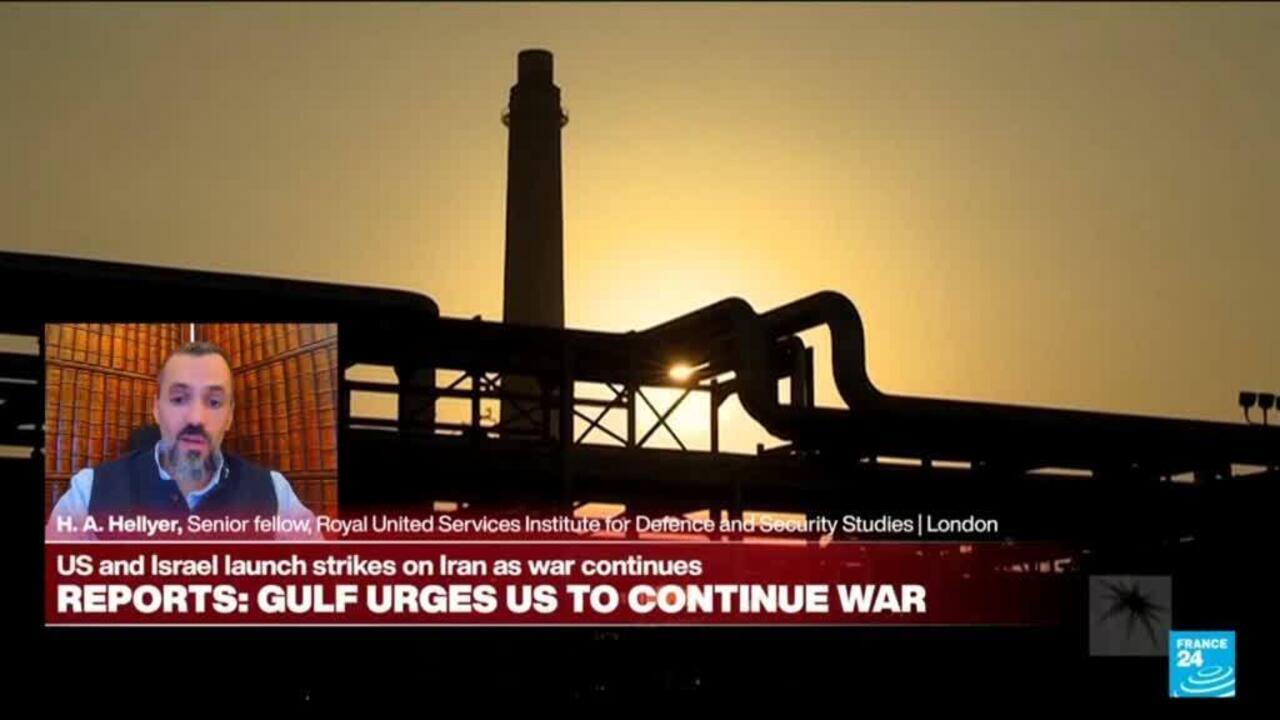
Gulf states led by Saudi Arabia and the United Arab Emirates are pressing President Trump to prolong military operations against Iran. Officials argue Tehran has not been weakened enough by recent bombing campaigns. This diplomatic push occurs in 2024 as the administration evaluates its strategic options in the Middle East.
Key Details
The push comes from senior officials within the Gulf Cooperation Council member states seeking regional security. They contend that a decisive victory is necessary to neutralize the threat from the Islamic Republic. Diplomatic sources indicate this messaging was delivered through private channels to Washington.
Saudi Arabia and the United Arab Emirates form the core of this coalition urging continued action. Both nations share a vested interest in regional stability following years of conflict in the Persian Gulf. Their stance reflects a desire to prevent the Islamic Republic from regaining strategic capabilities.
Dr H. A. Hellyer, a Senior Fellow at the Royal United Services Institute, provided context on the Gulf position. > "Despite some Gulf states pressing to prolong the war, none want the Iranian state to collapse," said the expert. This distinction highlights the complexity of regional power dynamics.
What This Means
The distinction matters because state collapse could trigger a dangerous power vacuum across the wider Middle East. One key concern is that total regime change might lead to increased instability for neighboring countries. Regional partners fear the consequences of a fractured Iranian government.
Economic implications loom large over any escalation of hostilities in the region. Oil markets could react sharply to prolonged conflict affecting the Persian Gulf shipping lanes. Investors monitor the situation closely given the region's role in global energy supply.
The Trump administration faces a difficult balancing act between military objectives and diplomatic resolution. Policy makers must weigh the cost of continued operations against potential long-term geopolitical gains. International allies will watch Washington's response to regional pressure carefully.
Future developments will likely depend on how Tehran responds to current military strikes. A de-escalation could allow for renewed negotiations on regional security frameworks. Conversely, further aggression might solidify the coalition's stance for continued engagement.