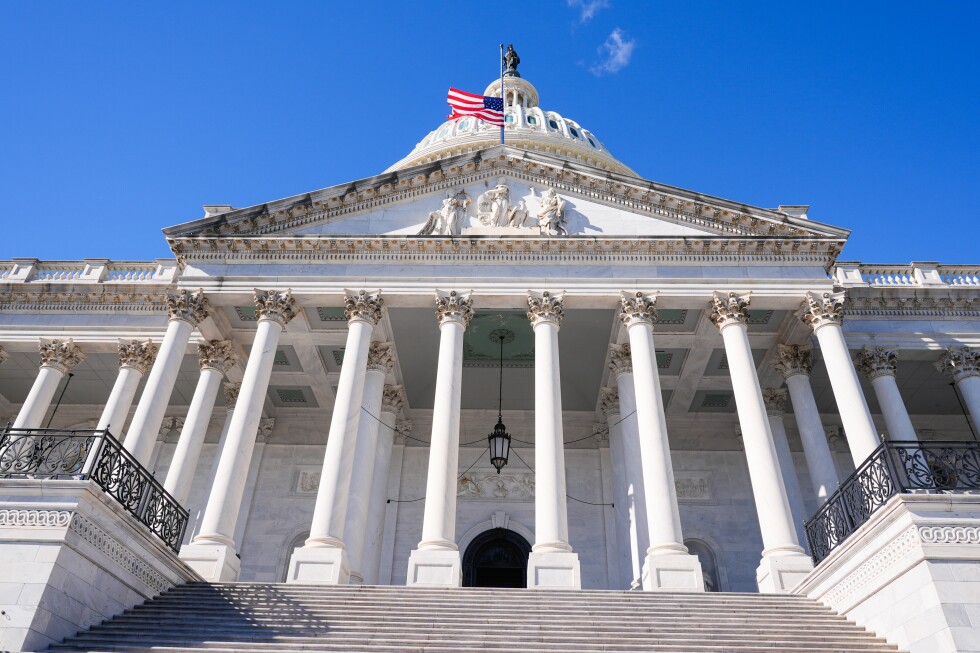
The United States Senate initiated steps to resolve the federal government shutdown on Sunday, signaling a potential relief for global markets. Moderate Democrats agreed to proceed without guaranteed health care subsidy extensions, sparking internal debate within their party. This legislative maneuver aims to stabilize domestic operations before the Thanksgiving holiday travel rush. Analysts suggest the delay could impact consumer spending habits significantly.
The agreement requires compromise on funding levels that some lawmakers argue undermines long-term social safety nets. Transportation officials warned that air travel could slow significantly if the shutdown persists through the holiday season. Supply chains face additional strain from flight cancellations and reduced federal staffing at key checkpoints. These logistical bottlenecks risk delaying goods essential for regional commerce.
Global investors reacted positively to the news, with major indices advancing following the announcement. However, economists caution that prolonged uncertainty in Washington continues to dampen business confidence abroad. Overseas workers at United States bases remain unpaid, complicating international defense logistics. Such disruptions test the resilience of allied military partnerships globally.
Domestic families face immediate hardship as Supplemental Nutrition Assistance Program payments remain in doubt. California schools reported increased demand for food pantries among students whose households rely on federal aid. The situation highlights the fragility of the American economic infrastructure during political gridlock. Vulnerable populations bear the brunt of legislative stagnation in the capital.
Meanwhile, the Paris Agreement faces scrutiny as climate change accelerates faster than projected since 2015. Scientists warn that Earth’s warming trajectory has outpaced efforts to reduce fossil fuel pollution under the accord. This issue will dominate discussions at the upcoming United Nations climate talks in Brazil. Policy gaps threaten to undermine decades of international diplomatic progress.
COP30 represents a critical juncture for international environmental policy and economic cooperation. Nations must address the growing cost of climate adaptation if current trends continue unchecked. Failure to align policies could increase financial risks for emerging markets vulnerable to extreme weather. Investment flows may shift away from carbon-heavy industries regardless of political will.
In Europe, the British Broadcasting Corporation announced the resignation of its director following controversy over editorial decisions. Critics questioned how the organization edited a speech by President Donald Trump regarding events in Washington. The move underscores tensions surrounding media integrity and political accountability in democratic institutions. Public trust in state-funded media remains a fragile asset in the information war.
Super Typhoon Fung-wong struck the Philippines with winds reaching 115 miles per hour on Sunday. The disaster killed at least six people and forced more than 1.4 million residents to evacuate their homes. Regional economies in Southeast Asia must now divert resources toward disaster recovery and infrastructure repair. Climate resilience funding is becoming a priority for local governments facing frequent storms.
These overlapping events illustrate a week of significant geopolitical and economic volatility. Stakeholders will watch closely to see if the US shutdown resolution translates into sustained market stability. Future developments in climate policy and media governance will likely shape global relations in the coming quarter. The interplay between domestic policy and international consequences defines the current era.