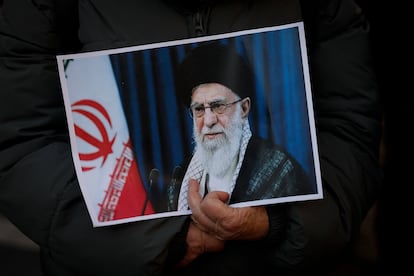
Global financial markets are reeling following the confirmed death of Iran’s Supreme Leader, Ayatollah Ali Khamenei, during a joint US-Israel military operation. The escalation marks a sharp turn in regional hostilities, threatening to destabilize global energy supplies and international transit routes.
Analysts warn that the economic fallout will likely reach billions of dollars as supply chains adjust to the sudden conflict. Drone strikes have already disabled one of the world's largest oil refineries, effectively tightening global crude availability overnight.
Economic fallout from regional conflict
Energy sector experts report that the destruction of critical infrastructure has sent oil prices surging. Traders moved quickly to price in the risk of sustained supply disruptions as regional tensions hit a breaking point.
Beyond the energy sector, the aviation industry faces immediate disruption. Civil aviation authorities across the Middle East have closed major swaths of airspace, forcing commercial flights to reroute and significantly increasing operational costs for international carriers.
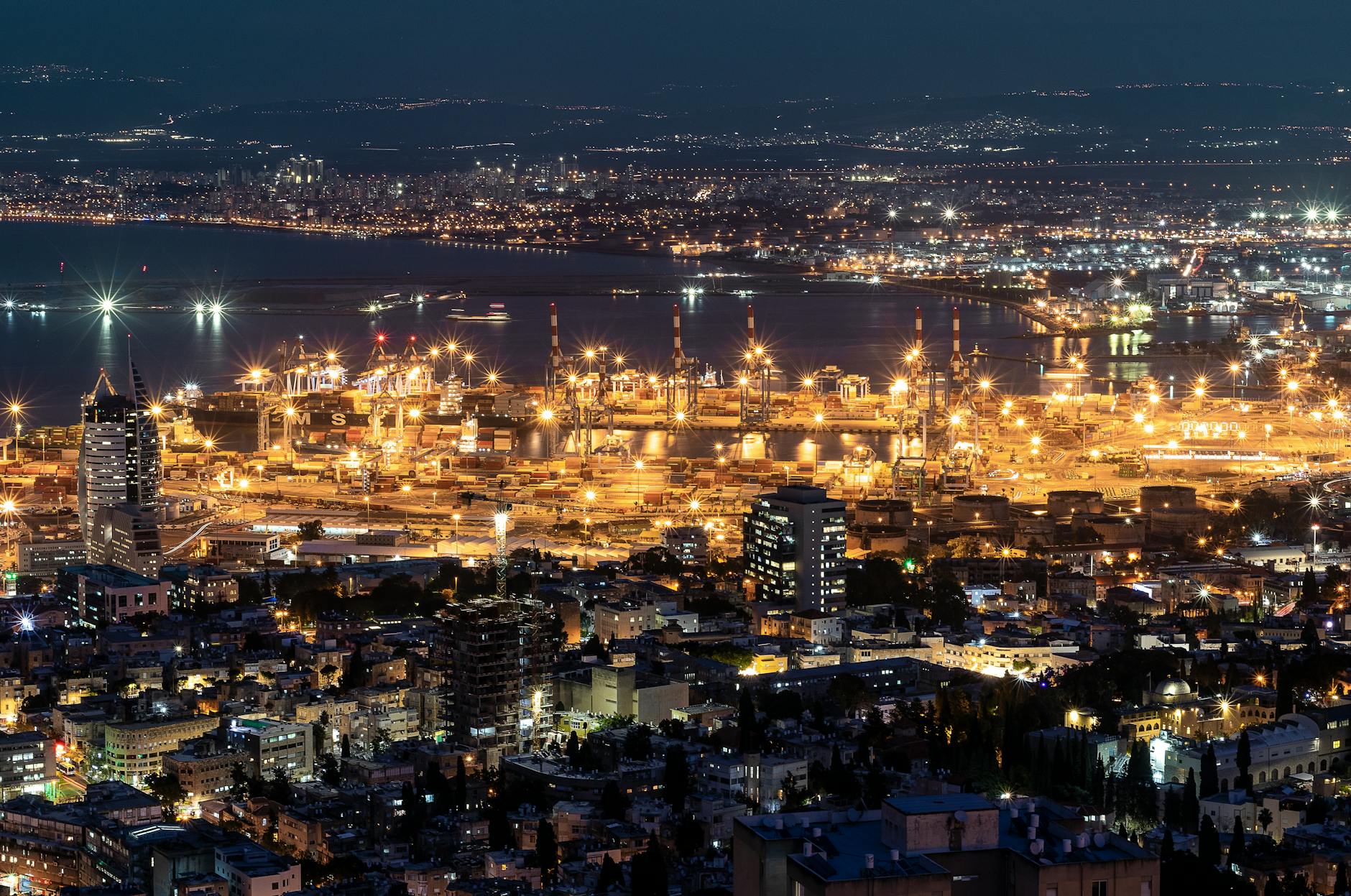
Economists tracking the conflict point to the fragility of existing maritime and aerial trade corridors. With the Strait of Hormuz facing increased scrutiny, the cost of transporting goods through one of the world’s most vital maritime chokepoints has spiked.
"The current environment presents an unprecedented shock to energy markets," said one financial analyst familiar with the regional impact. "We are looking at a sustained period of volatility that will affect consumer prices globally."
Governments in Europe and Asia are now coordinating emergency energy reserves to mitigate the impact of the refinery strikes. While military operations continue, the focus for global stakeholders remains on the duration of the aerial closures and the extent of the damage to Iran’s export capacity.
International shipping companies have issued warnings to clients regarding potential delays. The logistics sector expects a cascade of logistical bottlenecks as the conflict forces a total reconfiguration of routes that have supported regional trade for decades.