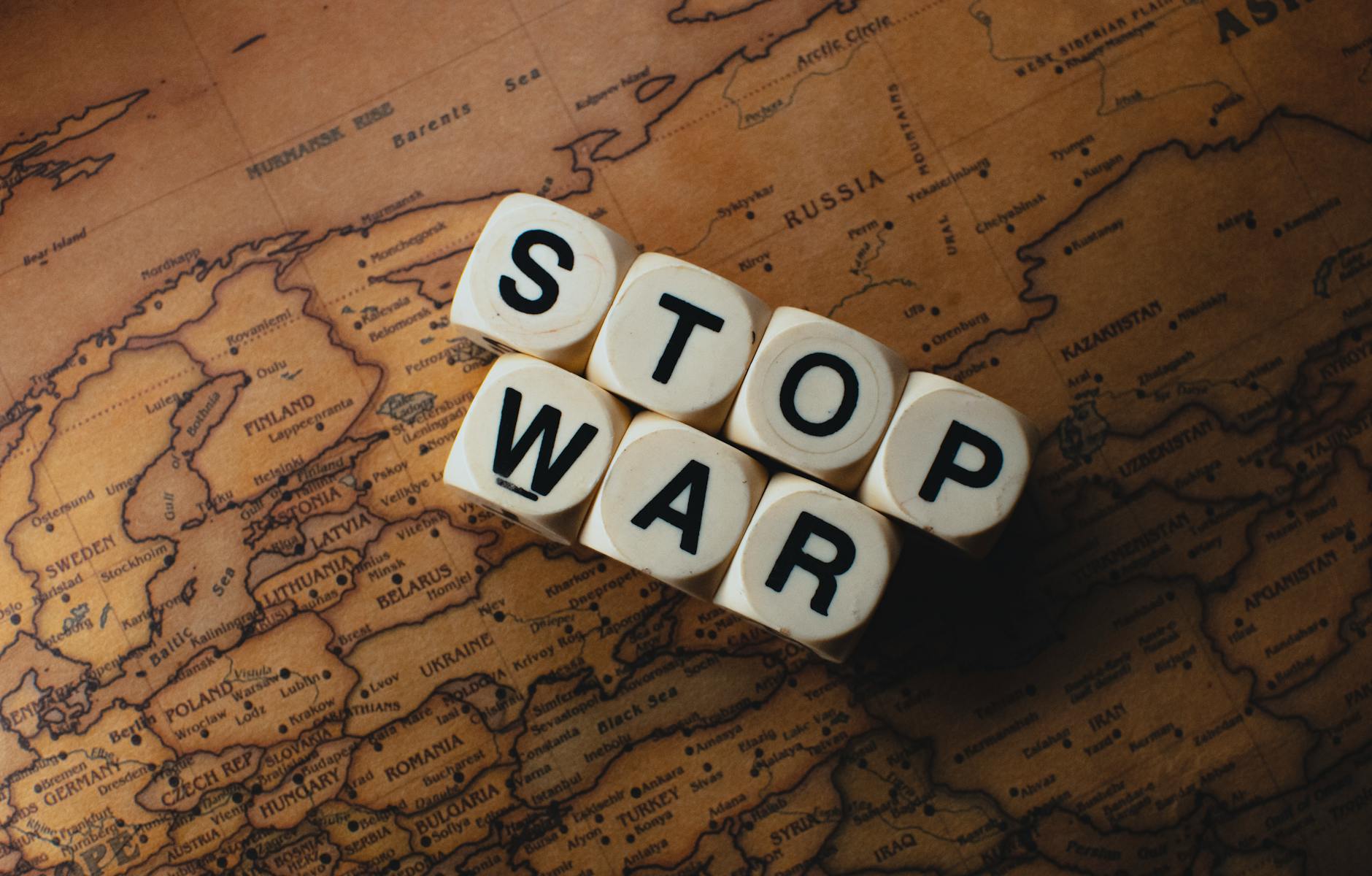
Global leaders, including U.S. President Donald Trump, Israeli Prime Minister Benjamin Netanyahu, and Russian President Vladimir Putin, are facing urgent calls to cease ongoing military aggressions, according to a recent opinion piece by Jaime Abedrapo published in latercera.com.
Abedrapo, the Director of the Center for Public Law and Society at USS, argues that the world can no longer endure the mass killings and widespread destruction fueled by delusions of grandeur and state terrorism.
He claims the current global instability stems from a spiritual lack of virtue and political ignorance. The conflicts have resulted in the deaths of thousands in Ukraine, Palestine, Lebanon, and Iran, causing millions of people to flee their homes.
A shifting geopolitical landscape
While geopolitical interests often drive these conflicts, Abedrapo asserts that such motivations never justify the violence. He specifically criticized the disregard for international treaties, describing the current behavior of belligerent states as a manifestation of the 'banality of evil,' a concept attributed to Hannah Arendt.
According to the report from latercera.com, Abedrapo identifies specific motivations for each major player. He claims Trump seeks to maintain U.S. global hegemony at the cost of American decline, Netanyahu pursues territorial expansion through religious aspirations, and Putin aims to rebuild influence over former Soviet territories.
Although these leaders cite security concerns, Abedrapo argues their narratives have lost all credibility. He notes that their actions primarily serve to expand hatred and distrust.
In response to the rising violence, the author praised the stance of Pope Leo XIV. The Pope has refused to be intimidated by threats, stating, “I am not afraid... I will continue to speak against war,” to defend the innocent.
The piece notes a growing movement among NATO leaders, including Meloni, Macron, and Sánchez, to oppose massacres in the Middle East. This shift is reconfiguring the global order.
Abedrapo observes that NATO is fracturing and U.S. credibility is eroding. Meanwhile, Iran is expanding its strategic capacity and international image, while Israel faces a collapse in legitimacy.
As Russia maintains its position as a global power, the author warns of an increasingly unstable world. He concludes that other world leaders must follow the Pope's lead in rejecting the horrors of war.