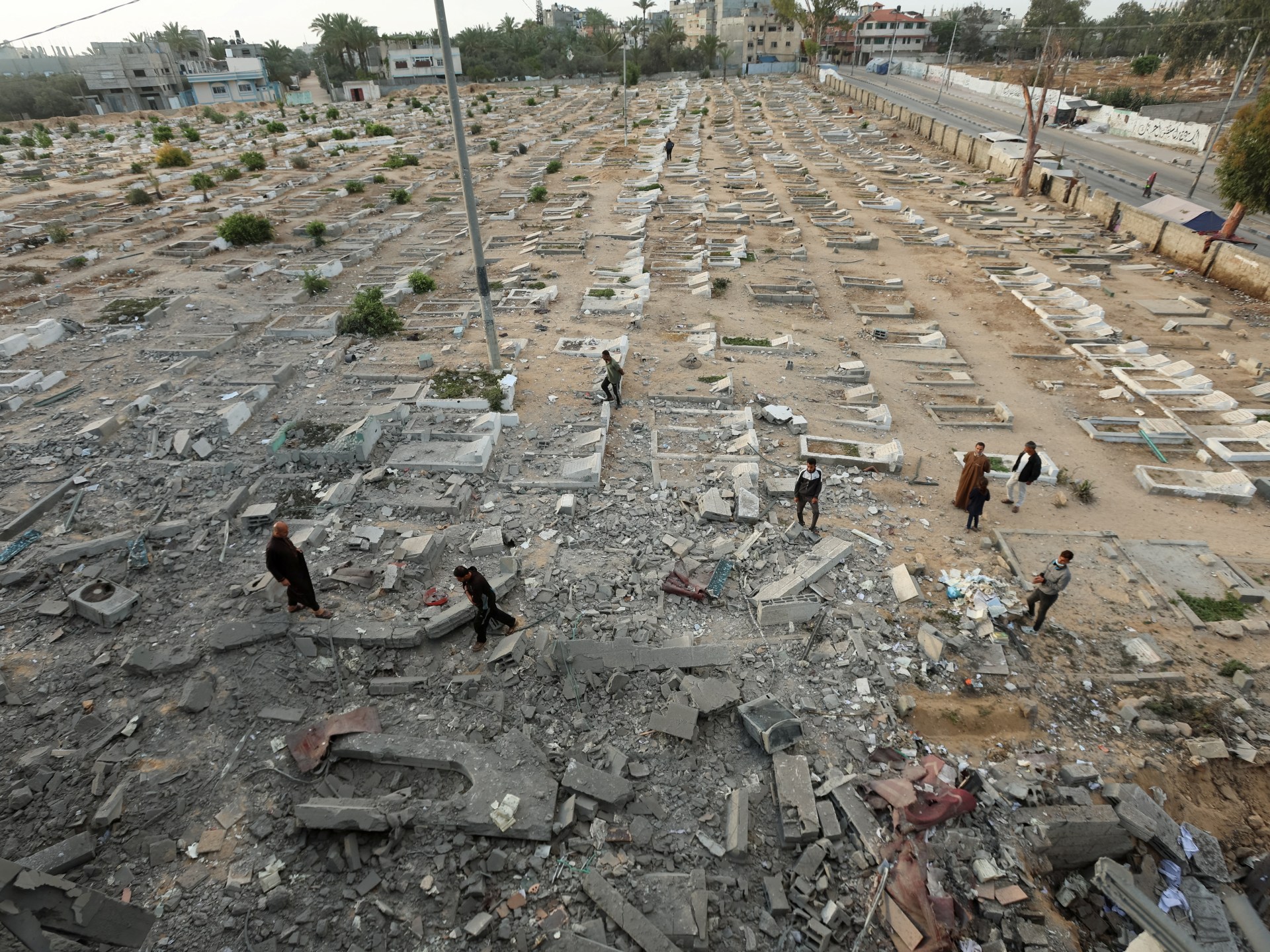
The retrieval of an Israeli national's remains from a cemetery in northern Gaza by Israeli forces has drawn sharp focus onto the wider consequences of such operations within the conflict theater. While Israeli leadership characterized the mission as a significant achievement, reports emerging from the area suggest the operation resulted in Palestinian casualties and widespread damage to burial sites.
International humanitarian law, specifically provisions within the Geneva Conventions, mandates the respect and protection of the dead and their places of burial. Allegations that Israeli forces killed several Palestinians near the site and subsequently damaged hundreds of graves constitute potential violations of these established norms. Such incidents place significant strain on the fragile framework governing conduct in zones of active hostilities.
Beyond the immediate operational impact, analysts suggest these actions are interpreted by many Palestinians as a form of collective punishment, extending conflict dynamics beyond the living to deny dignity to the deceased. This narrative frames the alleged desecration not as collateral damage, but as a deliberate policy impacting communal mourning and historical memory.
Reports from various sources indicate a pattern of damage to Palestinian cemeteries across the Gaza Strip, with Israel citing security justifications related to alleged military misuse of these sites. However, similar incidents reported in occupied territories like the West Bank and East Jerusalem, involving both Muslim and Christian burial grounds, challenge the purely military necessity argument, suggesting a broader pattern of targeting civilian resting places.
Furthermore, the issue extends to the handling of bodies recovered by Israeli authorities. Instances of bodies reportedly returned to Gaza showing signs of mutilation, alongside the ongoing policy of withholding the remains of certain Palestinians—a practice legally authorized in Israel since 2019 for 'negotiation' purposes—are cited as critical components of this pattern.
This multifaceted approach—involving desecration, exhumation, and retention of remains—is seen by critics as an attempt to undermine communal resilience by denying families closure. The disparity in international media coverage between the handling of Israeli casualties and the documented distress of Palestinian families further fuels accusations of a double standard in humanitarian reporting.
These developments underscore a critical, often overlooked, dimension of protracted conflict: the weaponization of death and remembrance. The global community’s response to these alleged breaches of fundamental human dignity standards will shape future adherence to international protective covenants, especially in highly contested geopolitical environments.
*Source adaptation based on analysis of reports concerning recent events in Gaza and associated international law considerations.*