Geopolitical Tensions Spill onto Pitch: Calls for Boycott of US-Hosted 2026 World Cup Intensify
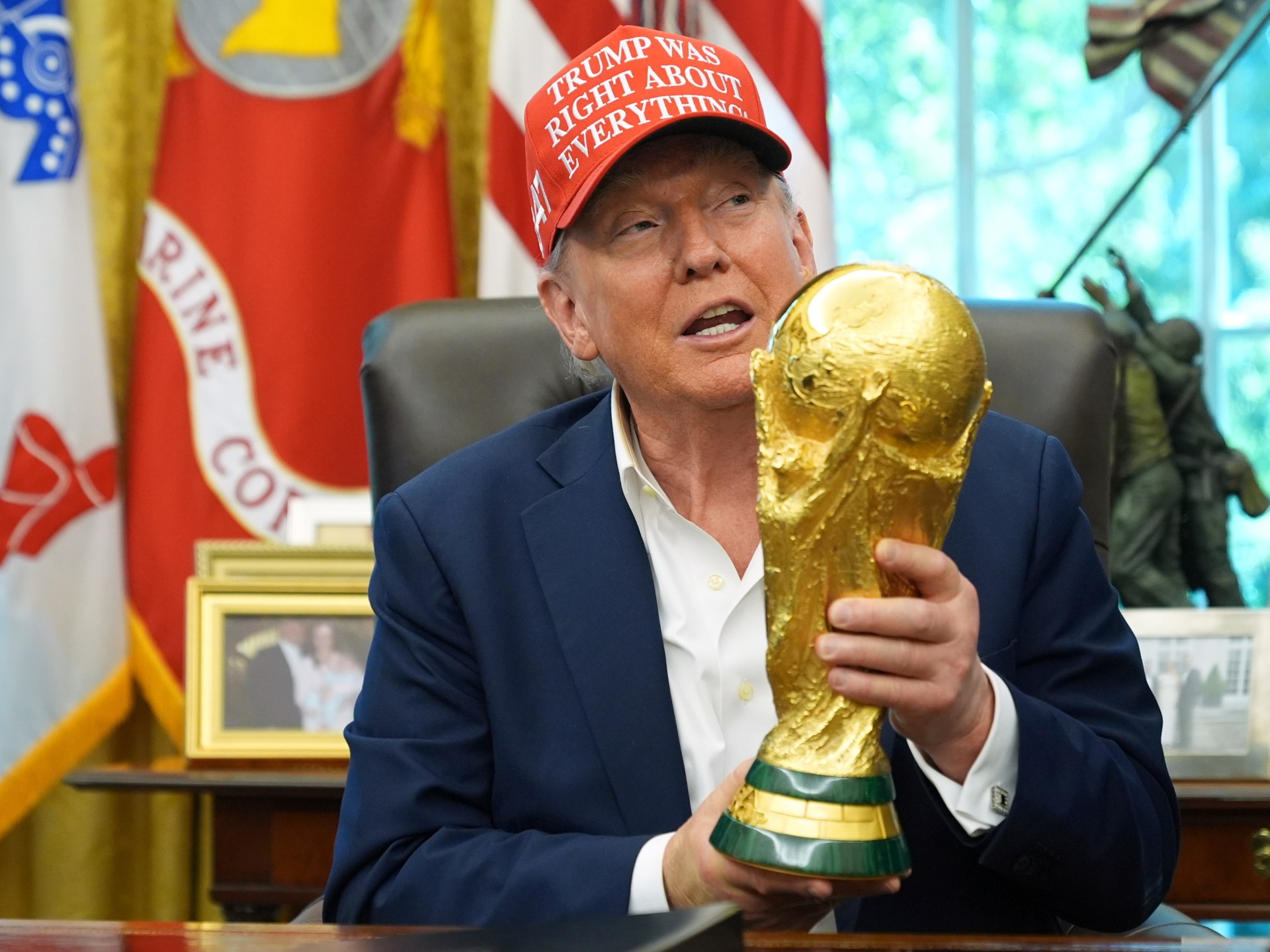
Former FIFA chief Sepp Blatter has endorsed calls for a fan boycott of the 2026 World Cup matches hosted in the United States, citing the policies of the current US administration. This growing international dissent links major sporting events to escalating geopolitical friction and concerns over civil liberties.
Geopolitical Tensions Spill onto Pitch: Calls for Boycott of US-Hosted 2026 World Cup Intensify
Publicidad
The prospect of the 2026 FIFA World Cup, co-hosted by the United States, Canada, and Mexico, is facing unexpected headwinds as prominent international figures advocate for a fan boycott. Former FIFA President Sepp Blatter recently lent his support to these appeals, framing the decision as a protest against the conduct of the US administration both domestically and on the global stage.Blatter’s endorsement follows similar sentiments expressed by Mark Pieth, a Swiss anti-corruption expert and former FIFA governance overseer. Pieth explicitly advised fans to “Stay away from the USA!” suggesting that viewing the tournament on television would be preferable to risking potential issues upon arrival, citing concerns over arbitrary treatment by officials.The core of the controversy centers on specific US immigration and foreign policy decisions. Concerns have been raised regarding the administration's posture on international matters, including proposed actions concerning Greenland, alongside domestic policies such as travel bans and aggressive enforcement tactics at the border and in US cities.These concerns have tangible implications for qualified nations. Travel plans for supporters from Senegal and Ivory Coast were recently complicated by a ban that effectively bars entry without pre-existing visas, justified by the US administration citing 'screening and vetting deficiencies.' Fans from Iran and Haiti, previously affected by earlier iterations of travel restrictions, face similar barriers.The debate is not confined to former football executives. Oke Gottlich, a Vice President of the German Football Federation, publicly urged a serious consideration of a boycott, drawing parallels to the political boycotts of the 1980s Olympic Games. Gottlich questioned the current football establishment’s perceived shift to 'apolitical' stances after criticizing the Qatar World Cup hosting decision.Similar sentiments are echoing across continents. In South Africa, opposition leader Julius Malema has called for the national team, Bafana Bafana, to withdraw entirely, equating the US administration's actions to the human rights violations characteristic of the apartheid era. He framed non-participation as a moral imperative against global destabilization.While calls for withdrawal gain traction among certain political and football factions—including a significant petition in the Netherlands—official bodies remain cautious. The Royal Dutch Football Association (KNVB) stated it is monitoring geopolitical developments in consultation with the Dutch government, stopping short of committing to a boycott.As the tournament date approaches, this situation highlights the increasing intersectionality between major global sporting events and prevailing geopolitical climates. The pressure on FIFA, co-hosts, and national federations to navigate these complex political waters while maintaining the integrity of the competition is mounting. (Source: Al Jazeera, based on initial reports and statements.)