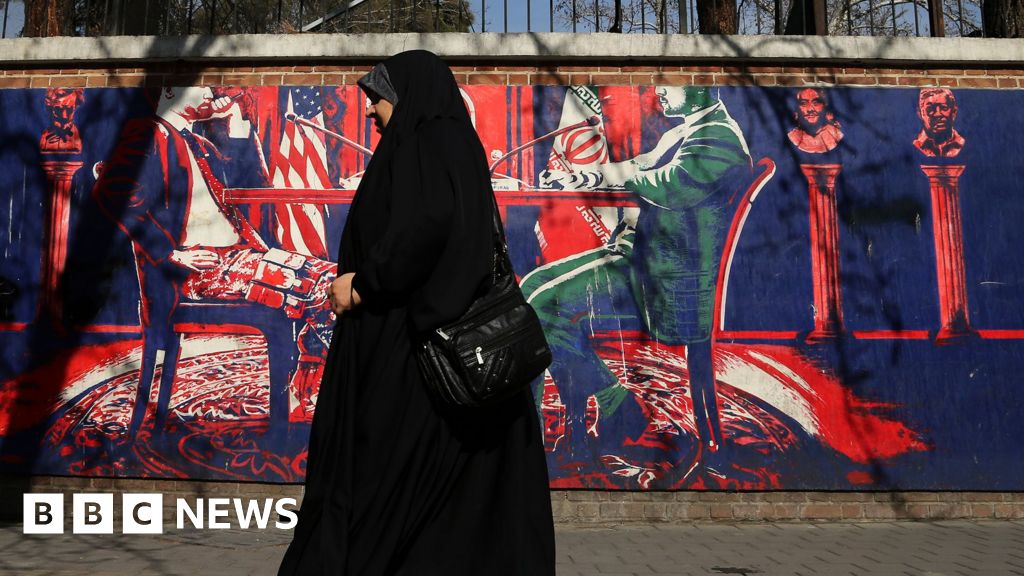
The prospect of targeted US military action against Iranian military assets, potentially including IRGC facilities and missile sites, raises critical questions regarding regional stability and global economic continuity. While the immediate targets may be narrowly defined, the resulting geopolitical ramifications remain highly uncertain, according to recent international security analysis.
One optimistic, though reportedly unlikely, scenario posits that limited strikes could weaken the Islamic Republic sufficiently to force policy moderation, compelling Tehran to curtail proxy support and halt sensitive nuclear activities. However, the regime’s 47-year history of defiance and reliance on a pervasive security apparatus suggest internal change is improbable without a fundamental collapse.
Conversely, observers suggest the most probable outcome involves the regime surviving the strikes but facing intensified internal pressure, echoing historical patterns where external pressure solidifies internal control. This outcome would likely fail to satisfy domestic opposition while leaving core geopolitical friction points unresolved, as reported by security analysts familiar with Iranian governance.
Iran has vowed retaliation, possessing an arsenal of ballistic missiles and drones capable of striking US bases in the Gulf and potentially targeting infrastructure in allied nations like Israel or Jordan. The 2019 attack on Saudi Aramco facilities demonstrated the vulnerability of critical energy infrastructure to Iranian-backed proxies, heightening Gulf Arab anxiety.
Crucially, any sustained conflict threatens the Strait of Hormuz, through which nearly one-fifth of the world's LNG exports transit annually. Iranian capabilities for deploying sea mines pose an immediate threat to global shipping lanes, which could trigger significant volatility in international oil and gas prices, recalling disruptions seen during the Iran-Iraq War.
Furthermore, analysts cite the risk of asymmetric naval responses, specifically a 'swarm attack' involving numerous fast boats and drones designed to overwhelm US Navy defensive systems. The potential sinking of a major US warship or the capture of personnel represents a significant escalation risk, drawing historical parallels to attacks like the USS Stark incident in 1987.
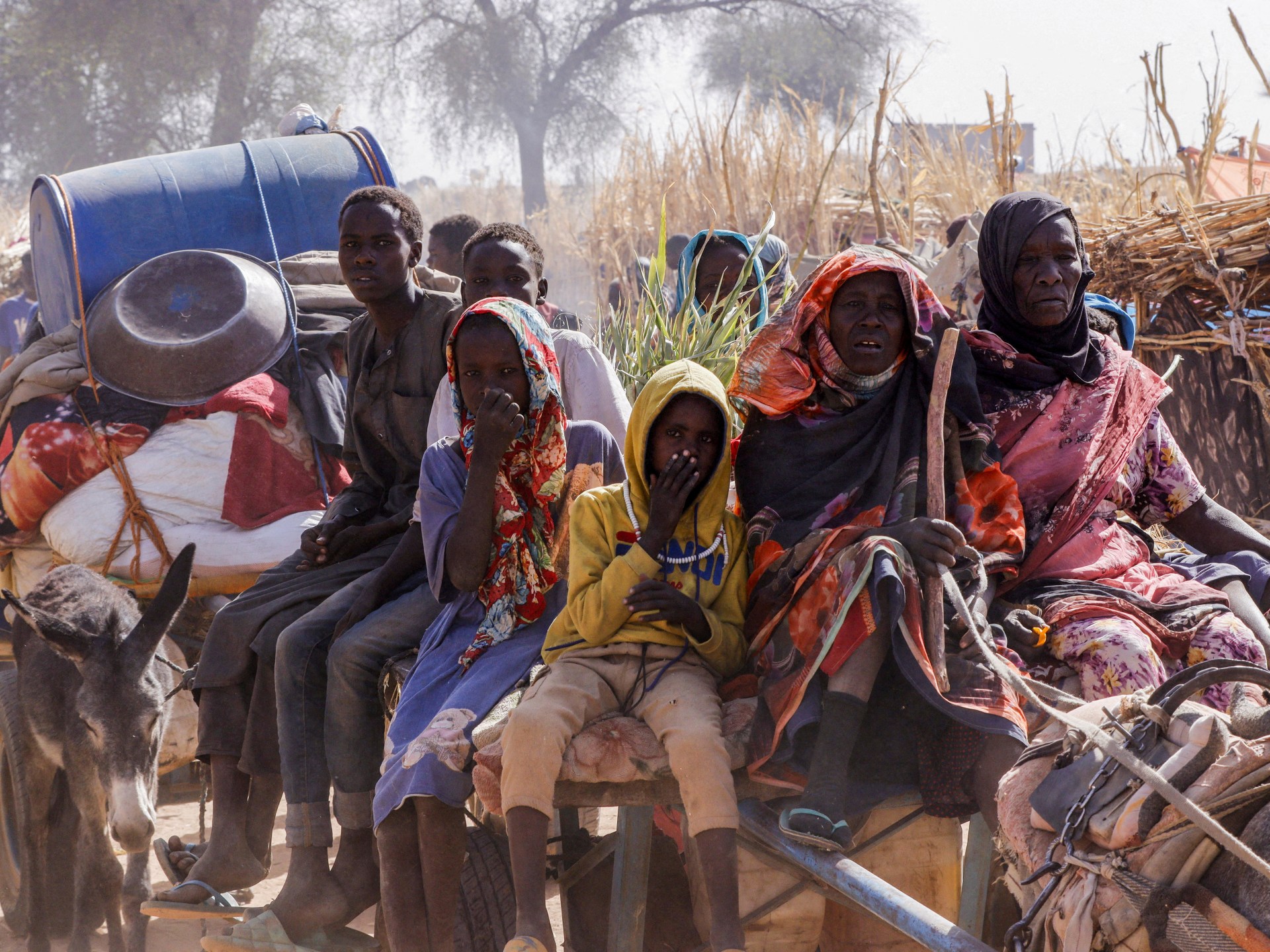
Beyond direct military confrontation, there is a substantial risk of internal fragmentation within Iran, potentially leading to civil strife or the eruption of ethnic conflicts among minority groups amid a security vacuum. While many regional actors oppose the current Iranian government, widespread chaos in a nation of 93 million people presents a severe, unwanted humanitarian and refugee crisis.
Ultimately, the current military buildup creates a high-stakes environment where inaction could be perceived as weakness by Tehran, yet action risks an unpredictable conflict with potentially damaging, long-term repercussions for global energy markets and Middle Eastern security architecture.