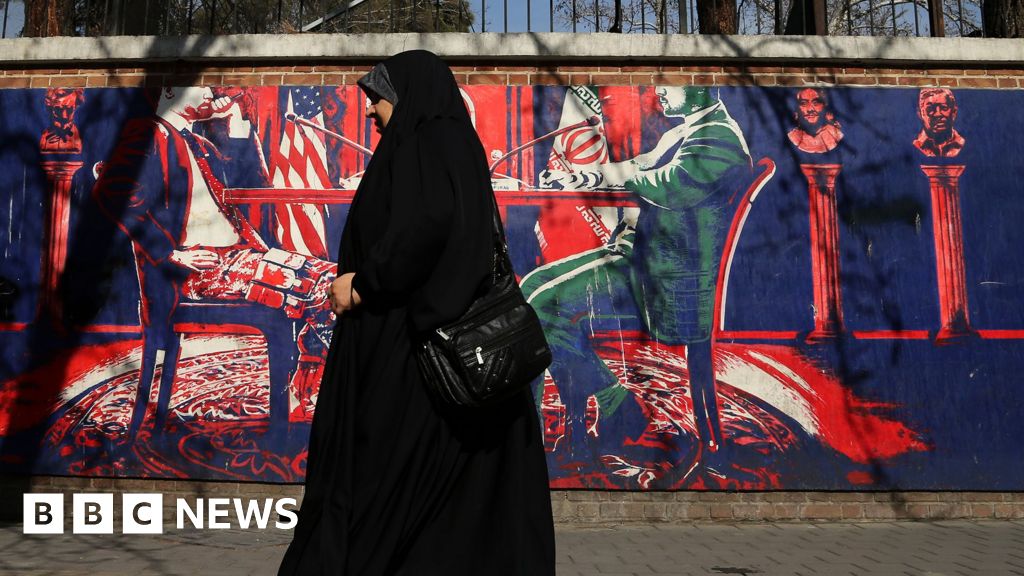
The possibility of preemptive military action by the United States against Iran remains a critical flashpoint in international security calculations. Should diplomatic efforts fail, precision strikes targeting key military assets—such as IRGC ballistic missile sites and nuclear infrastructure—are plausible initial steps. However, the strategic calculus shifts immediately to the unpredictable nature of the response and long-term regional equilibrium.
One highly optimistic, albeit historically unlikely, scenario projects the swift decapitation of the regime, leading to a transition toward democratic governance, allowing Iran to reintegrate into the global economic framework. This path mirrors the optimistic projections seen after interventions in Iraq and Libya, which ultimately devolved into protracted instability and chaos, providing a stark cautionary precedent.
A more moderate outcome could follow a 'Venezuelan model,' where the existing Islamic Republic leadership remains in place but is significantly constrained. This would entail curtailing foreign militia support and halting sensitive nuclear and missile development, though analysts view the regime’s entrenched defiance as making such fundamental policy shifts improbable.
The most commonly cited probability centers on regime survival, underpinned by a deeply entrenched security apparatus—the IRGC—prepared to employ extreme force against domestic dissent. In the immediate aftermath of any external strike, a power vacuum could theoretically be filled by a hardline military government dominated by IRGC elements, further cementing the status quo.
The guaranteed Iranian response, as vowed by Tehran, presents significant kinetic risks beyond direct conflict with US forces. Retaliation could target regional allies like Saudi Arabia and Israel, potentially leveraging asymmetric capabilities such as drone swarms or concealed missile arsenals against critical energy infrastructure, echoing the 2019 Aramco attacks.
The Strait of Hormuz, responsible for transporting approximately 20% of global LNG and a quarter of seaborne oil, looms as the primary economic vulnerability. Iranian capabilities in deploying sea mines present a credible threat to global shipping lanes, risking immediate spikes in commodity prices and disrupting world trade flows.
Furthermore, the risk of strategic humiliation—such as the sinking of a US warship or the capture of personnel, recalling incidents like the USS Cole bombing—remains a central concern for US planners and Gulf partners like Qatar and Bahrain. The focus on asymmetric naval warfare by the IRGC Navy is explicitly designed to challenge the technological superiority of the US Fifth Fleet.
Finally, the conflict could catalyze internal fragility. Beyond the risk of a protracted civil war similar to Syria or Yemen, strikes might embolden ethnic minorities—Kurds and Baluchis—to seek autonomy amid national confusion, potentially leading to widespread internal conflict and triggering a major humanitarian and refugee crisis across the Middle East. (Source: Analysis based on original report from BBC News)