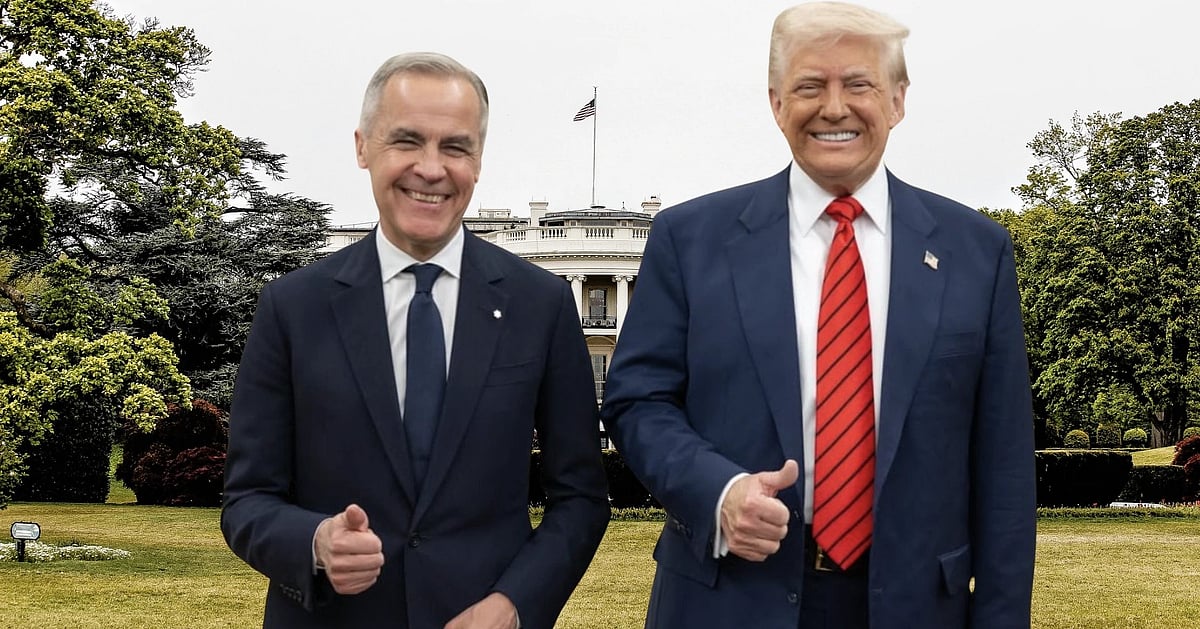
The confluence of high-level economic forums, such as Davos, and the looming shadow of potential shifts in major trade policies underscores a growing bifurcation in global governance philosophies. At the forefront of one side is Mark Carney, whose current advocacy centers on mobilizing private capital toward climate transition objectives, often framed within a necessity for centralized, coordinated international standards.
Carney's approach, frequently critiqued by some quarters as an attempt to establish a 'climate cartel,' seeks to embed environmental accountability directly into financial risk assessment and corporate governance structures worldwide. This perspective prioritizes long-term systemic stability over short-term national economic flexibility, a stance that garners significant support within established multilateral institutions.
Conversely, the political trajectory associated with Donald Trump emphasizes a return to unilateral trade negotiation and the prioritization of domestic industrial capacity, often through the implementation of tariffs and bilateral agreements. This philosophy views international climate mandates with suspicion, seeing them as potential impediments to national competitiveness and sovereignty.
The juxtaposition of these two Vaclavs—referencing a broader historical context of ideological struggle—is not merely rhetorical. It represents a palpable tension in geopolitical strategy: whether global economic alignment should be driven by transnational sustainability mandates or by the immediate, transactional interests of sovereign states.
For international markets, this dichotomy translates into significant uncertainty. Corporations must navigate increasingly complex regulatory environments influenced by climate disclosure requirements championed by Carney's network, while simultaneously bracing for potential trade barriers and supply chain realignments under a more protectionist framework favored by Trump's economic doctrine.
The debate extends beyond finance and tariffs; it touches upon fundamental questions of governance. Is the optimal path forward one of coordinated, elite-driven alignment on existential risks like climate change, or does true economic resilience stem from decentralized national decision-making, even if it risks fragmentation?
This ideological contest will define investment flows, regulatory harmonization efforts, and the future viability of multilateral trade frameworks for the coming decade. The implications are profound for sectors reliant on stable global supply chains and predictable regulatory signals.
This analysis is based on commentary surrounding recent statements and policy positions associated with Mark Carney and the political platform of Donald Trump, as reported across various international economic and political outlets. (Source attribution: Derived from analysis synthesizing viewpoints presented in opinion pieces such as those published by Western Standard.)