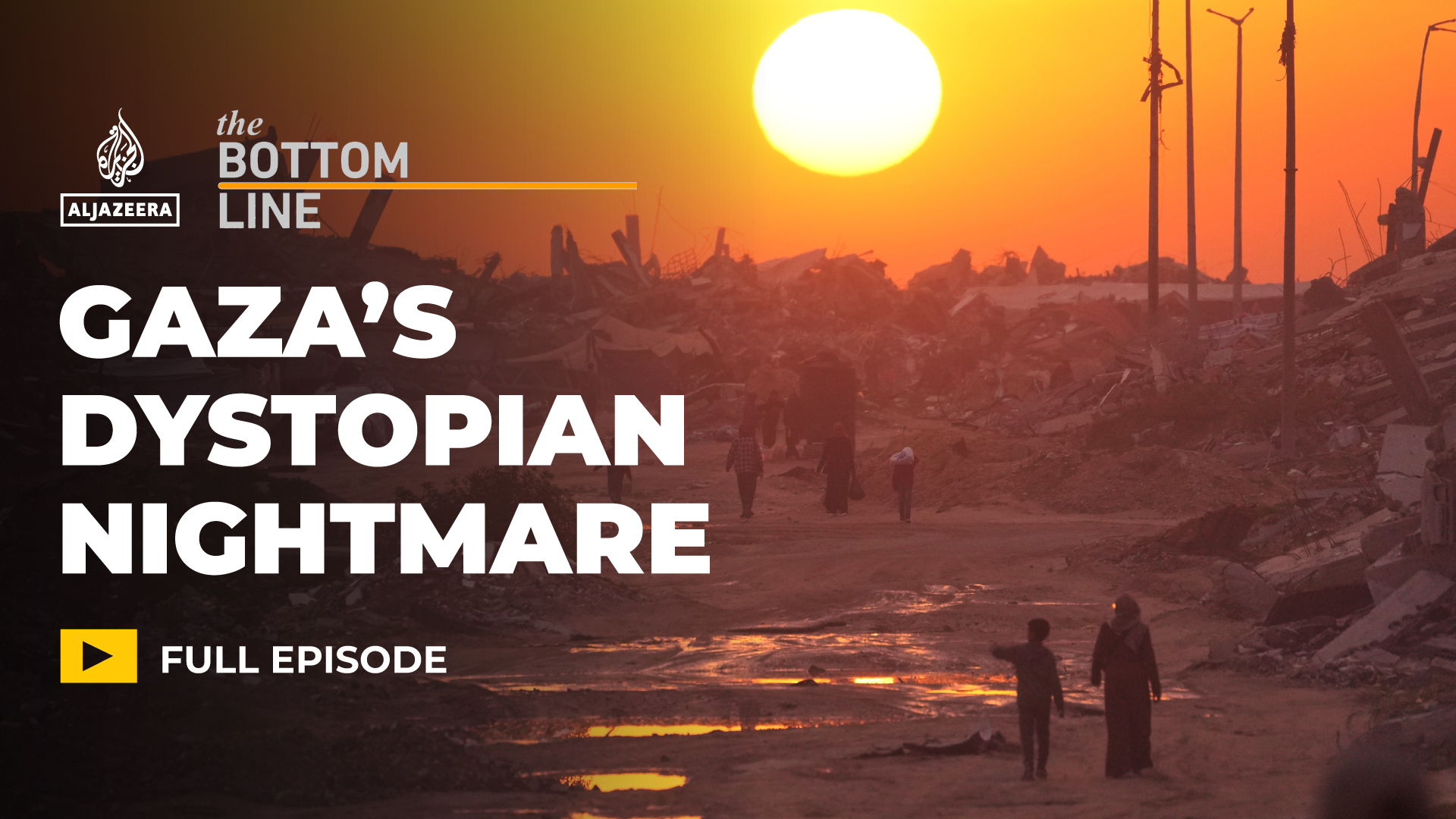
The discrepancy between the ongoing severe conflict in Gaza and concurrent United States advocacy for technologically advanced urban planning frameworks is drawing sharp geopolitical critique. Analysts question the viability of promoting stability and opportunity while immediate humanitarian needs remain unmet under current military realities, according to reports.
Sharif Abdel Kouddous, Middle East Editor for Drop Site News, characterized the proposed American blueprints for Gaza as an Orwellian structure designed for Palestinian displacement. He argued that the vision involves an intricate system of biometrics and bureaucracy intended to function as a surveillance laboratory.
Kouddous specifically warned that current actions on the ground risk establishing permanent facts that undermine any future negotiated peace. The establishment of approximately 50 Israeli military bases within Gaza was cited as evidence of this irreversible physical entrenchment, according to the report from Al Jazeera.
This perspective suggests that high-concept technological planning, such as AI-driven smart cities, appears disconnected from the immediate operational realities faced by two million residents. The focus on future infrastructure development is seen by critics as a distraction from addressing the immediate crisis of displacement and conflict.
Furthermore, the analysis pointed to a historical pattern, noting that Israel has reportedly not moved past the initial phase of previous ceasefire agreements with neighboring Arab states. This lack of adherence to past diplomatic milestones fuels skepticism regarding the earnestness of current stabilization promises.
The critique centers on the potential for proposed governance structures to solidify control rather than foster genuine Palestinian self-determination. The implementation of extensive digital control mechanisms raises significant concerns regarding long-term human rights implications.
For international observers, the immediate challenge remains reconciling the stated goals of peace and economic opportunity with the established military and bureaucratic realities within the enclave. The trajectory suggests a focus on managing populations rather than facilitating immediate sovereign development.