Tehran has signaled a willingness to engage in dialogue with the United States, although official reports confirm no concrete plans for immediate talks have materialized. This development occurs concurrently with a substantial deployment of American military assets across the Middle East theater.
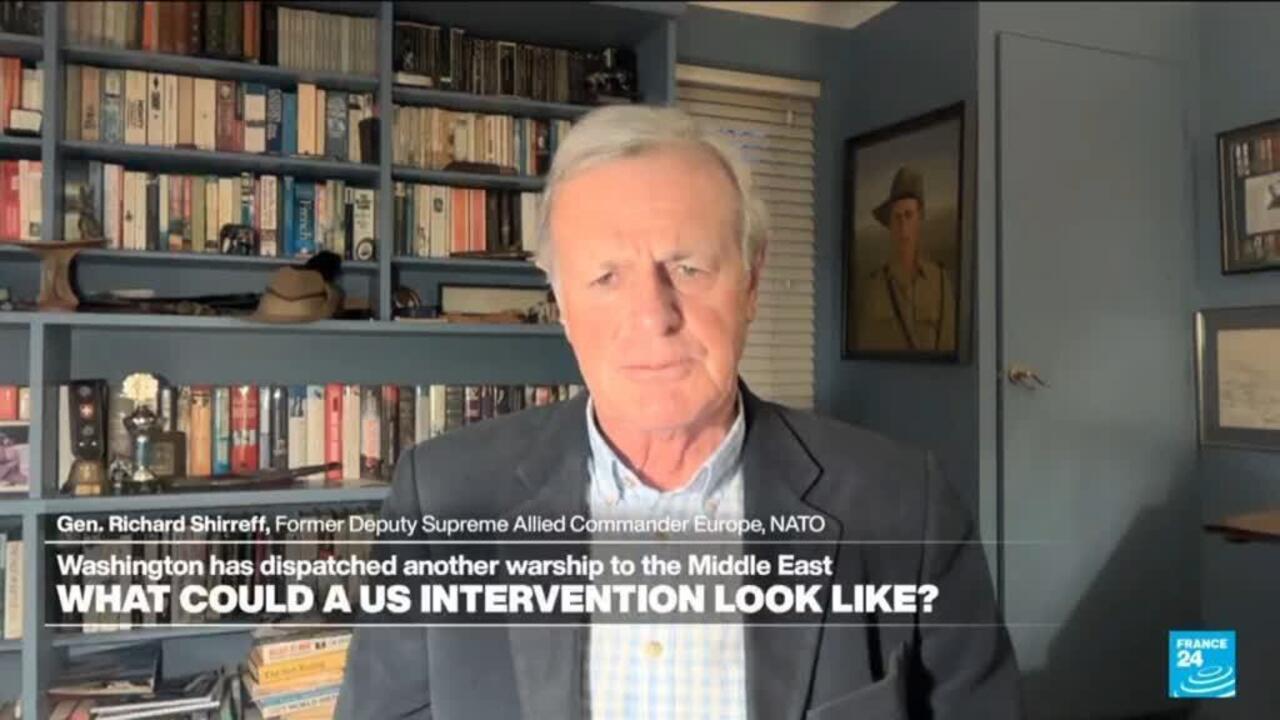
General Richard Shirreff, former NATO Deputy Supreme Allied Commander Europe, stated on FRANCE 24 that the ultimate strategic aim of President Donald Trump's maneuvers remains insufficiently defined. Shirreff suggested that the current posture carries inherent risks given the region's volatile history.
History provides a cautionary backdrop, as Shirreff observed that American military interventions across the Middle East have frequently deviated from initial strategic expectations. This pattern suggests a high degree of operational uncertainty surrounding current US deployments.
While the Iranian government has opened a door for diplomacy, the context of major naval and air force movements implies a high-stakes geopolitical balancing act. The dual signaling complicates the diplomatic environment for regional allies and adversaries alike.
Shirreff explicitly warned that the current administration is operating "on very thin ice" regarding its Mideast engagement strategy. This assessment centers on the lack of predictable outcomes associated with prior large-scale external involvement.
For global markets, this tension point represents significant uncertainty, particularly concerning crude oil supply routes and regional stability. Unforeseen escalation could impact global inflation metrics and commodity pricing structures.
The situation demands close observation by international bodies seeking sustained regional de-escalation. The interplay between diplomatic signaling and kinetic military readiness defines the immediate geopolitical risk profile.