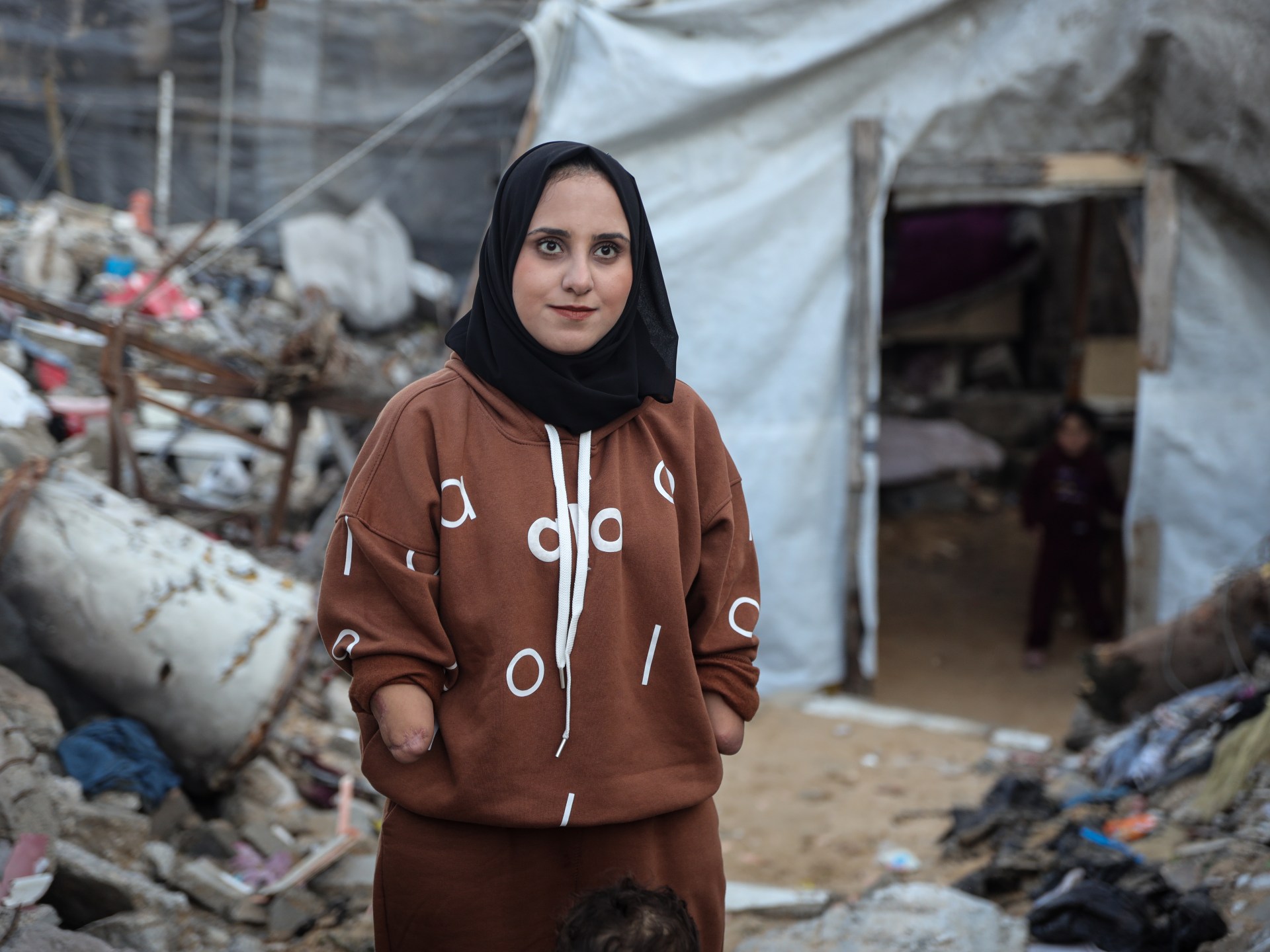
The recent pilot reopening of the Rafah land crossing between Gaza and Egypt commenced amid significant ambiguity regarding patient access for urgent medical evacuations. Thousands of wounded individuals inside the Palestinian territory rely on this route to obtain specialized care unavailable locally, according to Gaza’s Ministry of Health.
Nebal al-Hessi, a 25-year-old who sustained bilateral arm amputations over a year ago, exemplifies the desperation, holding onto fragile hopes that the limited slots will accommodate her need for advanced prosthetics. She recounted severe delays, noting that medical organizations had previously given her hope for travel that failed to materialize.
Medical professionals stress that patients like al-Hessi require immediate external treatment and reconstructive procedures to regain basic autonomy, a necessity underscored by the dire state of Gaza's medical facilities. The World Health Organization has repeatedly classified the local health system as being on the brink of collapse due to resource depletion.
Further compounding the complexity, Israeli authorities stated they will only permit passage for individuals whose names appear on pre-approved lists, without publishing transparent daily quotas or explicit prioritization metrics. This approach leaves families, such as that of 16-year-old Nada Arhouma, who suffered severe facial trauma, unable to plan for necessary reconstructive surgery.
Sources within Gaza expressed frustration over the lack of operational clarity, with one relative describing the process as resembling a passage for detainees rather than medical transport. This uncertainty prevents families from making contingent plans, trapping them in a state of perpetual anticipation regarding life-saving transfers.
The initial pilot opening, reported on Sunday, has thus far provided little tangible relief for the population requiring complex, long-term care outside the Strip. The ambiguity surrounding daily throughput and approved patient lists suggests the crisis in medical access will persist despite the crossing’s nominal resumption of activity.