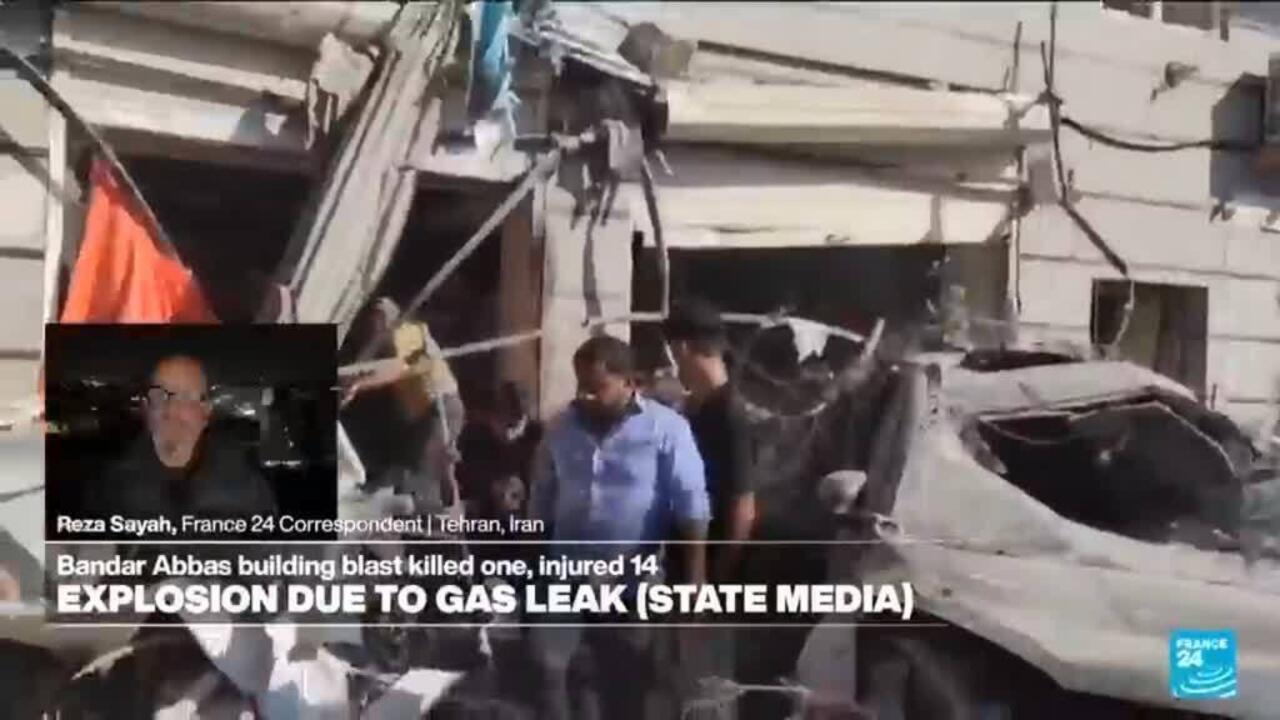
An explosion rocked a residential building in the southern Iranian city of Bandar Abbas on Saturday, with the local fire chief citing a gas leak as the confirmed cause. This incident, occurring on the Gulf coast, prompted immediate local investigation into the structural integrity of the affected site.
Concurrently, another explosion was reported earlier in the day in Ahvaz, a major city situated near the Iraqi border. State media outlets confirmed that authorities in Ahvaz similarly attributed that blast to a failure in the natural gas distribution system.
While the immediate causes appear to be domestic utility failures, the dual nature of the events within a single day puts focus on broader infrastructure management in Iran. The country frequently deals with aging pipelines and utility maintenance challenges, often compounded by international sanctions impacting equipment imports.
These localized infrastructure failures, though not explicitly linked to broader geopolitical events, often highlight vulnerabilities within critical national services. Such incidents can impact local economic activity and public confidence in municipal services.
Official reports from the National Iranian Gas Company, or relevant provincial energy bodies, have yet to detail whether these isolated incidents share any common technical precursors. Analysts suggest that deferred maintenance cycles, common in sanction-affected sectors, could be a contributing systemic risk.
Industry observers note that while gas leaks are common worldwide, the density of such incidents can sometimes signal broader regulatory oversight gaps or resource limitations in preventative maintenance programs across various Iranian provinces.
The timing of these events underscores the persistent operational challenges facing Iran's energy sector, balancing domestic supply demands with aging distribution infrastructure.