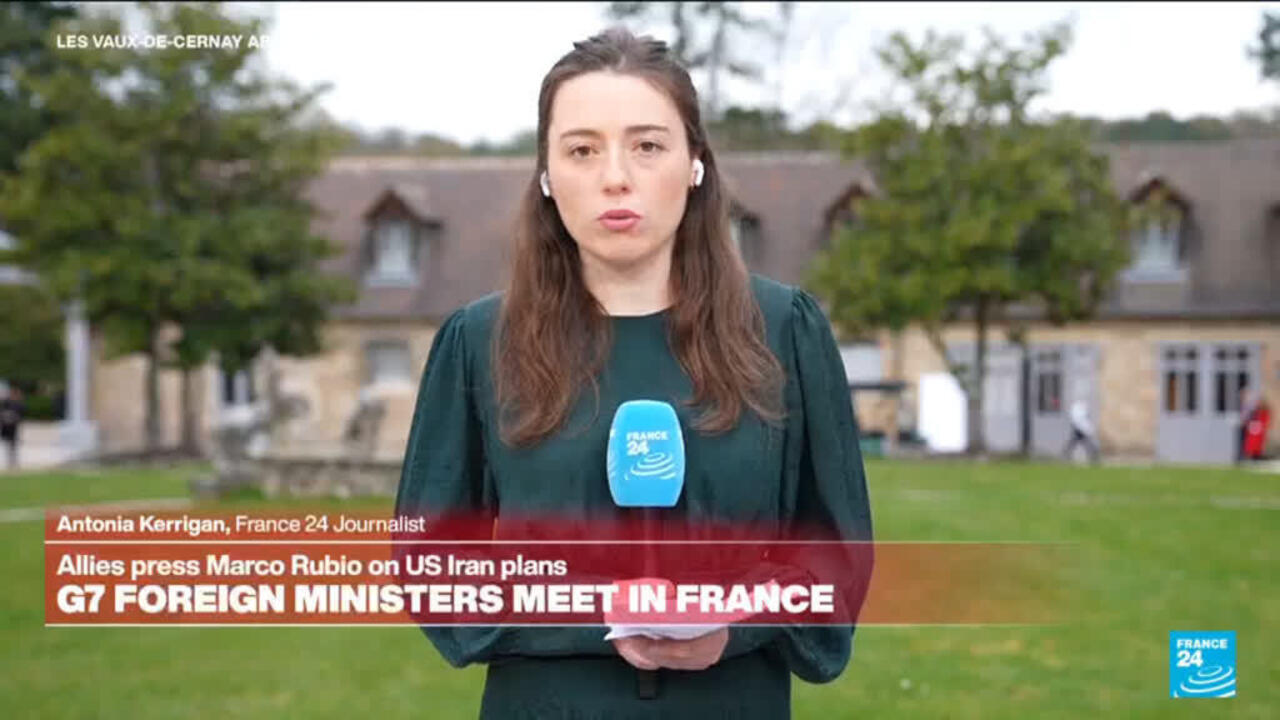
G7 allies pressed United States Secretary of State Marco Rubio for clarity regarding American military plans targeting Iran almost one month into the current conflict. Officials expressed deepening concern over the extent of cooperation between Russia and Tehran during high-level diplomatic engagements in Paris. The gathering highlighted a growing rift within the Western alliance as European partners seek unified strategies against regional instability that threatens global trade routes.
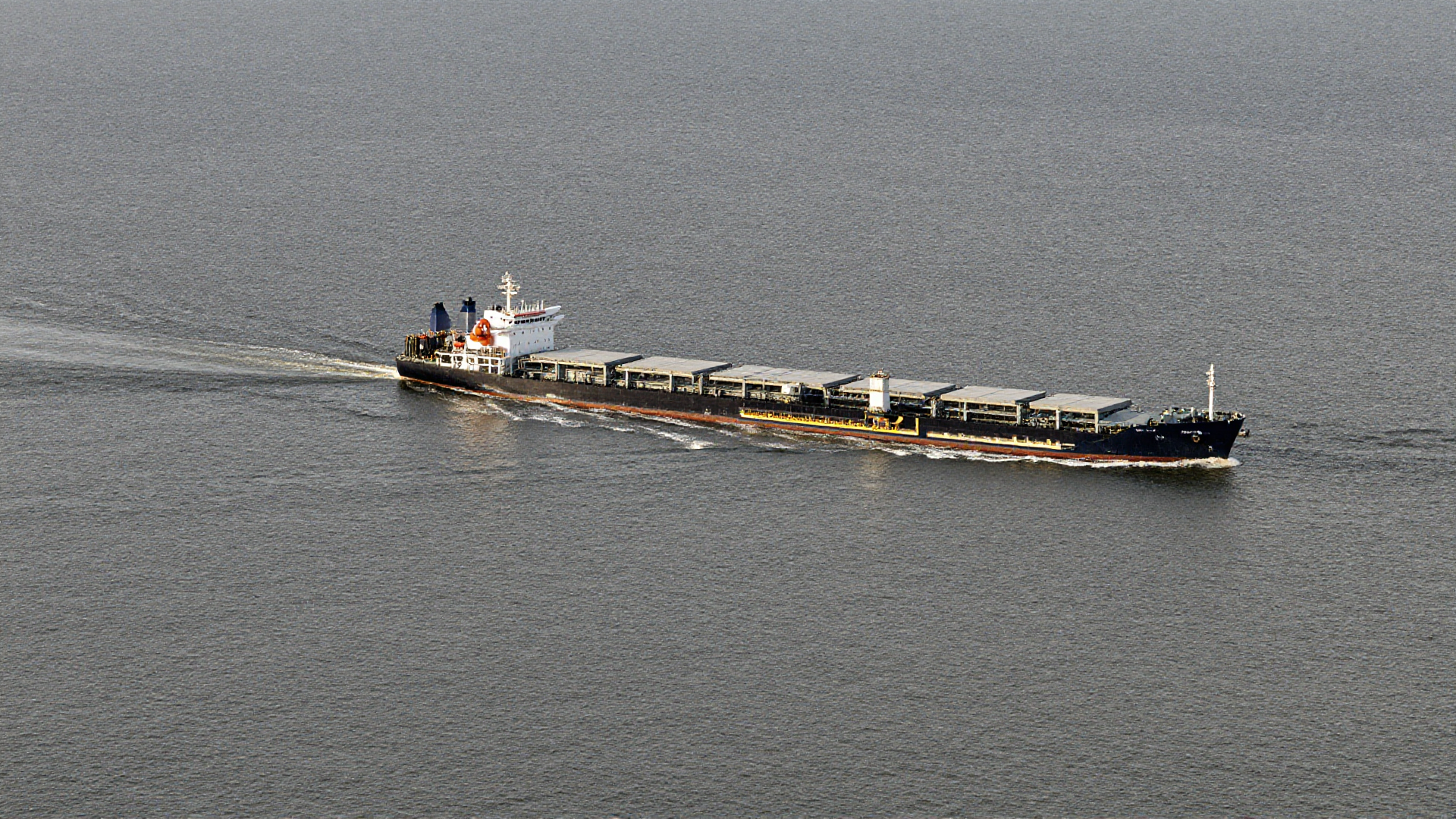
Before leaving for France, Rubio indicated that reopening the Strait of Hormuz aligns with the core interests of all G7 nations involved in the security pact. French officials and other partners are closely monitoring potential economic fallout if this critical shipping route remains blocked by hostile actors. Maritime analysts warn that any disruption could trigger immediate volatility in global energy prices affecting consumers worldwide who rely on stable fuel supplies.
The strategic importance of the strait cannot be overstated, as it handles roughly thirty percent of total global oil trade volumes annually. Any significant disruption would likely trigger immediate volatility in energy markets across Europe and Asia dependent on Middle Eastern imports for heating and transport. Investors are watching Washington for signals regarding potential sanctions or military maneuvers that could alter this delicate balance significantly.
Intelligence reports suggest growing uncertainty regarding the extent of military cooperation between Russia and Tehran within the region specifically. Allies are wary that Moscow might leverage Iranian assets to destabilize regional security further without explicit authorization from Washington. This dynamic complicates existing sanctions regimes designed to limit both nations capabilities in the broader Middle East theater effectively.
Rubio stated Thursday that maintaining open sea lanes serves everyone's long-term economic stability and prevents unnecessary escalation of hostilities unnecessarily. G7 ministers reportedly urged Washington to avoid unilateral actions that could provoke further retaliation from Tehran without consultation from European capitals. Diplomats emphasized that unity is essential for managing the complex web of interests in the Persian Gulf region effectively and efficiently.
Financial markets are watching closely for signals from the White House regarding potential sanctions or military maneuvers related to the ongoing conflict. Investors fear that prolonged conflict could disrupt supply chains and increase inflationary pressure globally through energy price spikes affecting household budgets. The uncertainty surrounding US policy has already caused slight fluctuations in futures contracts linked to oil and gas commodities recently.
The meeting underscores a broader divergence between European allies and American hardline policies on Iran specifically regarding recent military actions taken last week. Some partners prefer diplomatic de-escalation over direct confrontation with Tehran's leadership given the economic costs involved for their industries. This disagreement risks fracturing the coalition necessary for enforcing international sanctions effectively against the target nation without causing collateral damage.
Diplomats will continue to monitor the situation as negotiations for the reopening of the waterway progress slowly behind closed doors this week. Further G7 summits may be required to align strategies before the next major escalation occurs in late spring or summer months. The administration faces pressure to balance security commitments with economic realities facing their respective populations and voters at home.