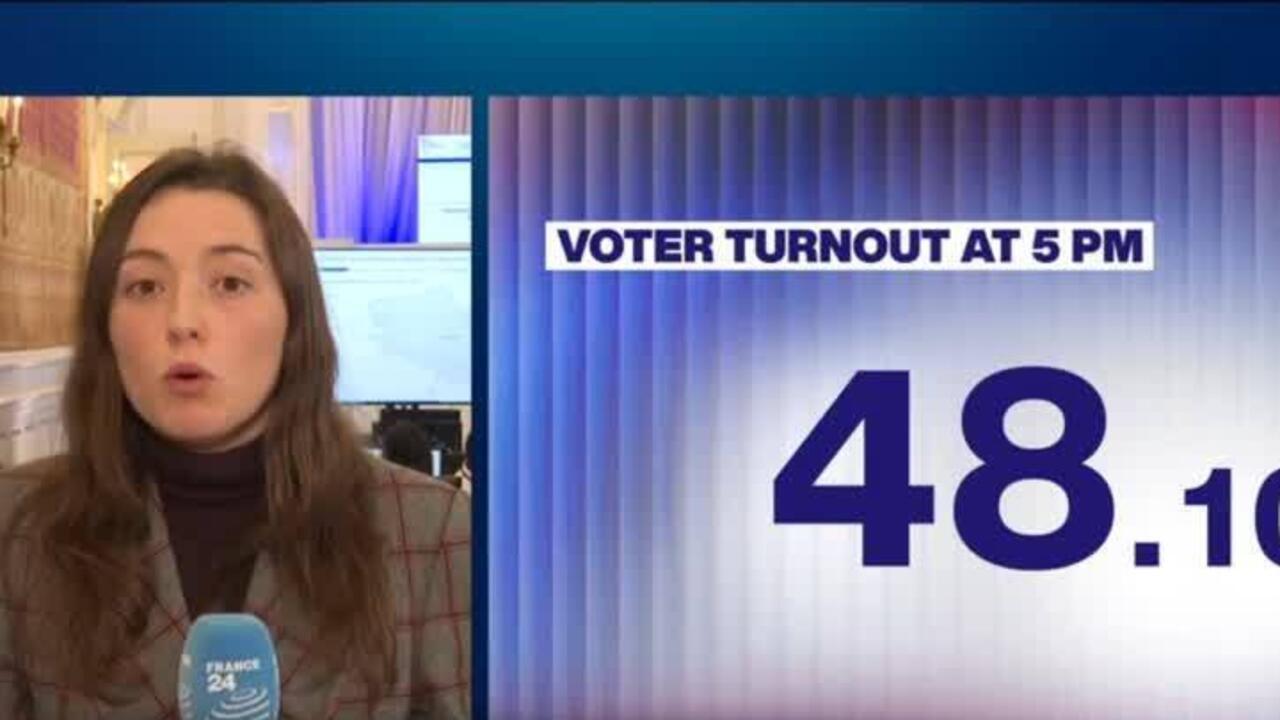
Voter turnout in France climbed to 48.1% by five pm on Sunday during the second round of municipal elections. This figure represents a modest decline from the 48.9% recorded at the same time last week. The data comes from official election monitoring reports released across the entire nation.
Observers note that participation levels remain relatively stable compared to recent national contests. However, any consistent dip in engagement signals potential challenges for local governance efficacy. Analysts suggest this trend reflects broader fatigue among the electorate regarding public services.
Municipal councils manage significant portions of public spending and critical local infrastructure projects. Stable administration in these bodies is crucial for maintaining economic continuity in major urban centers. Disruptions could ripple through regional supply chains and deter foreign investment flows.
France has historically maintained high turnout rates in local contests compared to other European neighbors. Previous elections saw figures exceeding 60% in some metropolitan areas during peak voting periods. The current deviation warrants closer scrutiny from political strategists and market analysts.
Antonia Kerrigan reported from Paris for France 24 regarding the preliminary statistics. She highlighted the quiet atmosphere in many polling stations across the capital region. Her assessment underscores the subdued mood among voters and local officials alike.
Economic indicators often correlate strongly with political stability and civic engagement levels. Investors monitor French governance closely as a primary bellwether for the broader Eurozone economy. Reduced participation might indicate underlying dissatisfaction with current policy directions.
The drop in voter numbers could impact the legitimacy of newly elected mayors significantly. Local leaders rely on strong mandates to implement difficult economic reforms within their jurisdictions. A weak mandate may hinder necessary budgetary adjustments in the coming fiscal year.
Political analysts predict that future national elections will face similar headwinds across the country. The trend suggests a growing disconnect between governing parties and the general population. Addressing this gap remains a priority for the administration moving forward.
Future polling data will determine if this turnout pattern stabilizes or worsens over time. Officials expect final results to confirm the early projections by Monday morning. Comprehensive analysis will follow once all ballot boxes are officially counted.
Markets will watch for any immediate policy shifts resulting from the election outcomes. The European Central Bank considers French domestic stability in its monetary policy decisions. Continued monitoring of these regional developments is essential for global investors.