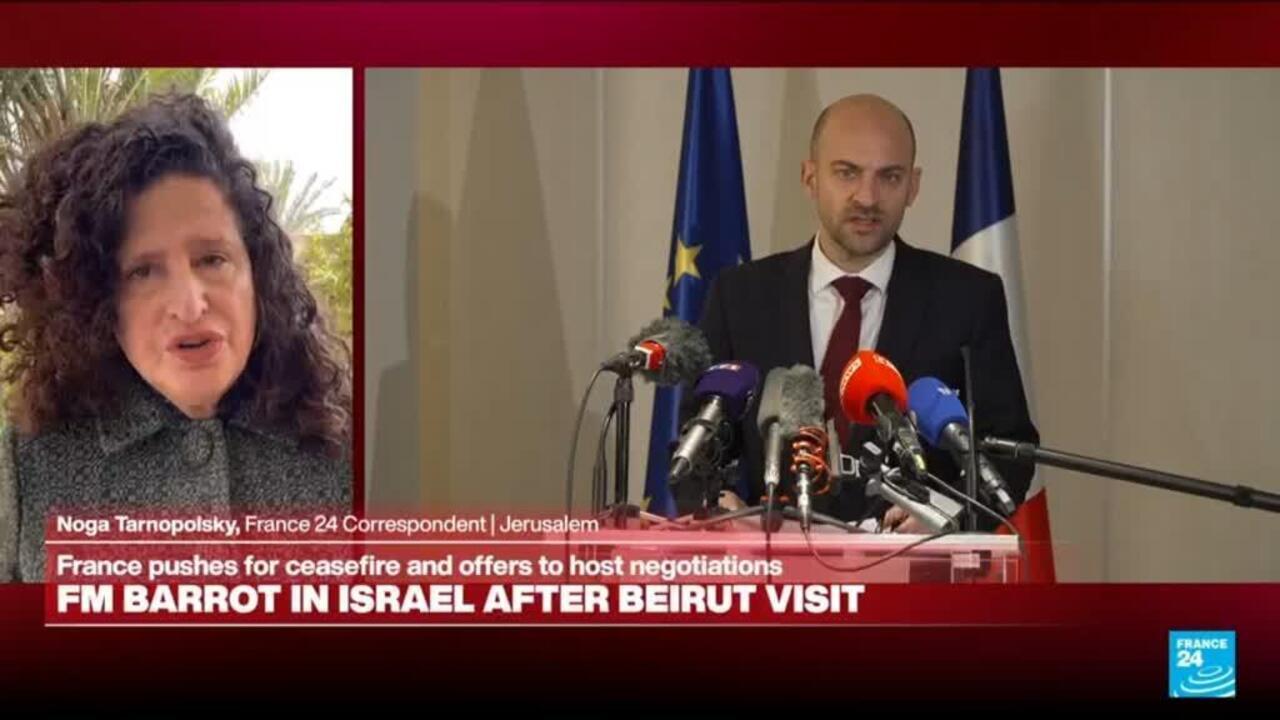
French Foreign Minister Jean-Noel Barrot traveled to Israel on Friday to deliver a diplomatic message regarding the ongoing regional conflict. During his high-level visit, Barrot emphasized that Iran must accept major concessions as a prerequisite for any lasting political resolution of the war. The French leader also urged Israeli officials to utilize the current situation as an historic opportunity for direct engagement with Lebanese authorities.
Barrot's statements, reported by France24, indicate Paris is attempting to adopt a more nuanced position in the Middle East crisis. This diplomatic effort aims to facilitate mediation between conflicting parties while maintaining strategic alliances with key regional partners. French officials suggest that a sustained military approach without political dialogue risks further destabilization across the entire Levant region.
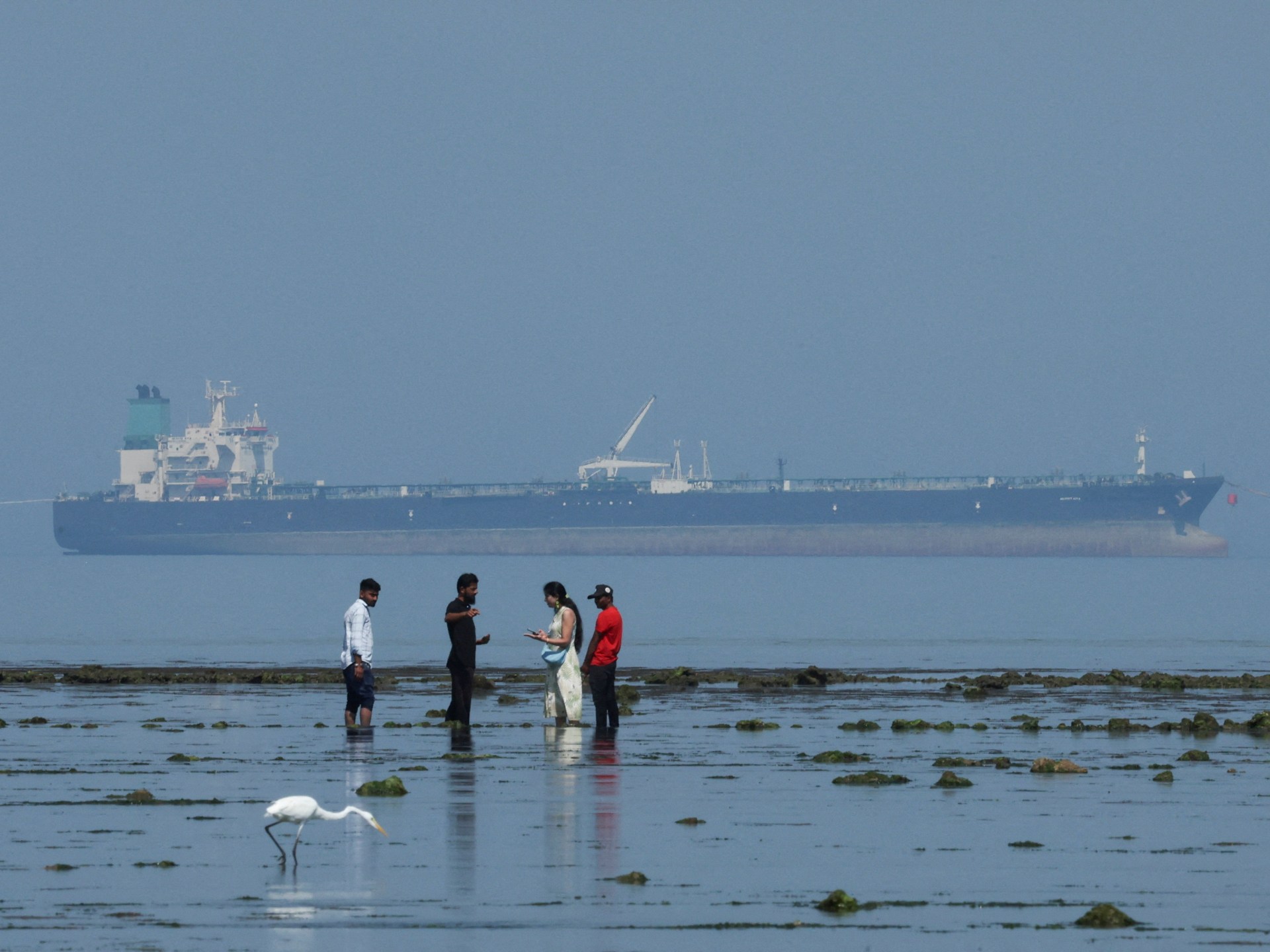
The visit comes at a critical juncture for international security and global economic stability within the energy sector. Analysts note that continued hostilities threaten major shipping lanes and oil supply routes through the Red Sea and Persian Gulf. Commercial entities are closely watching these developments as they assess long-term investment risks in the volatile region. Maritime insurance costs have risen sharply as vessels face potential disruptions from regional hostilities.
France has historically engaged as a mediator in Middle Eastern disputes, often balancing relationships with Arab states and Western allies. Previous diplomatic initiatives by Paris have faced significant challenges due to complex internal politics within member nations. This latest push represents a coordinated effort to revitalize international frameworks for peace negotiations and de-escalation.
Regional powers are closely monitoring the outcome of Barrot's discussions with Israeli government officials and security advisors. Sources indicate that Tehran views external diplomatic pressure as a potential leverage point in future security negotiations. The success of these talks will depend on mutual trust, which currently remains fragile among the involved stakeholders.
Economic implications extend beyond the immediate conflict zone to affect global trade agreements and insurance markets significantly. Insurers are recalculating premiums for vessels transiting high-risk areas, impacting the cost of goods flowing to Europe and Asia. These financial adjustments reflect the broader uncertainty surrounding the geopolitical landscape in the Eastern Mediterranean.
The European Union is expected to coordinate its response with the French government as part of a unified foreign policy strategy. Brussels has previously called for de-escalation measures to protect civilian populations and humanitarian aid corridors. Member states are seeking clarity on whether military support should continue alongside diplomatic pressure campaigns.
Looking ahead, the success of this mediation attempt will rely on sustained engagement from all regional actors involved. International observers will assess whether the nuanced approach yields tangible progress in ceasefire negotiations or security guarantees. Future diplomatic missions may follow if initial talks produce a framework for further discussions regarding peace.