A Paris court ruled on Monday that cement manufacturer Lafarge is guilty of financing terrorism. The company paid protection money to the Islamic State and other jihadist groups to maintain operations at a plant in northern Syria during the height of the country's civil war.
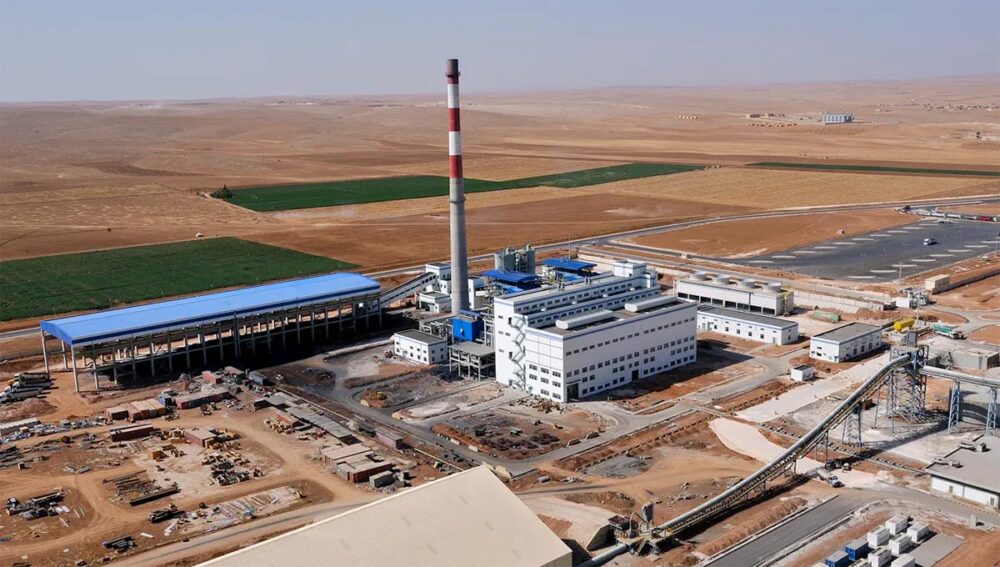
Lafarge, which has since been acquired by the Swiss conglomerate Holcim, funneled millions of dollars through its subsidiary, Lafarge Cement Syria, during 2013 and 2014. The payments allowed the company to keep its Jalabiya facility running while the surrounding region fell under the control of extremist factions.
Aiding the Caliphate
Presiding Judge Isabelle Prevost-Desprez delivered a scathing assessment of the company’s conduct. She noted that the financial support provided to the Islamic State was not merely a cost of doing business, but a strategic lifeline for the terrorist organization.
"This method of financing terrorist organisations, and primarily IS, was essential in enabling the terrorist organisation to gain control of Syria's natural resources," Prevost-Desprez stated. She added that these funds directly facilitated the group's ability to plan and execute terrorist acts both within the Middle East and abroad, specifically targeting Europe.
The ruling marks a major conclusion in a long-standing legal battle over corporate complicity in international conflict. Investigators tracked the flow of money from the French firm to intermediaries, which ultimately reached the coffers of violent groups seeking to consolidate power in the region.
By paying these militants, the company effectively secured its industrial interests at the expense of regional security. The court’s decision establishes a legal precedent for holding multinational corporations accountable for the actions of their local subsidiaries in war zones.