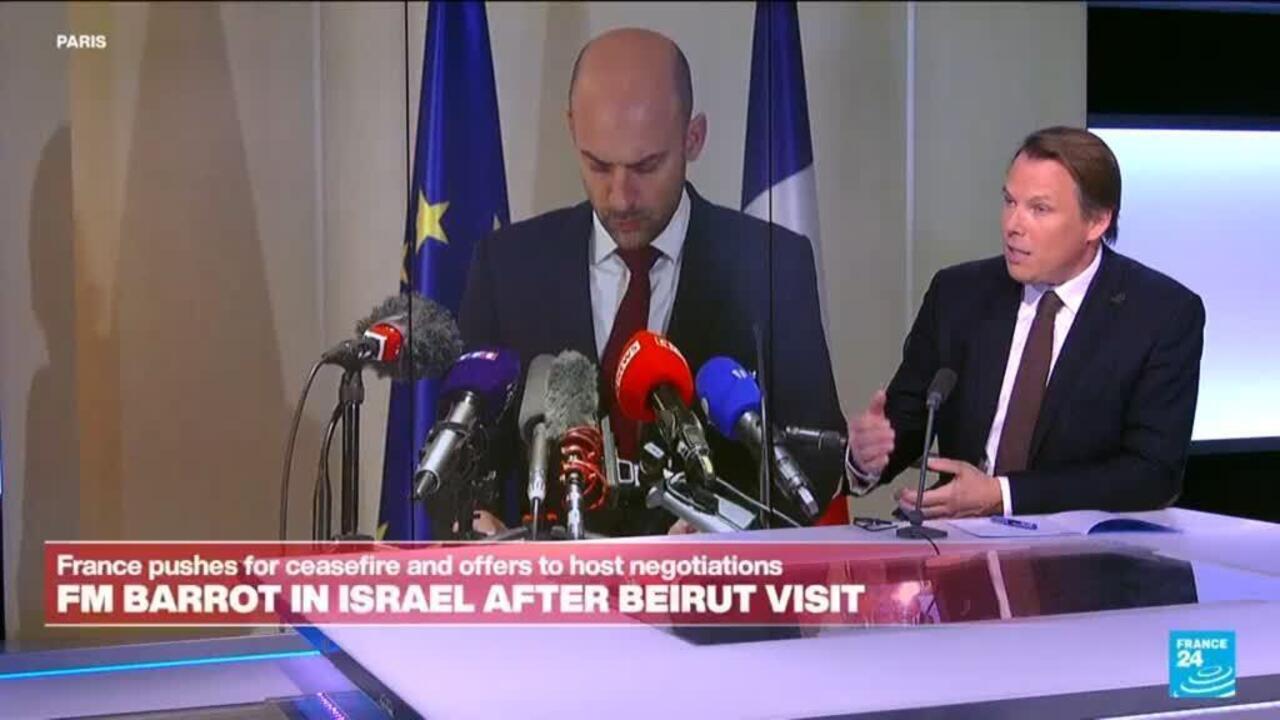
French Foreign Minister Jean-Noel Barrot concluded a high-stakes diplomatic tour of the Middle East earlier this week. He traveled to Israel on Friday following a preliminary stop in Beirut the day before to gauge local sentiment. The mission aims to secure a historic framework for direct negotiations between the two nations without third-party interference. French officials view this as a critical step toward regional normalization. The trip underscores Paris's commitment to conflict resolution.
This initiative represents a significant escalation in Parisian foreign policy regarding the Levant region specifically. Officials indicate that sustained high-level engagement is necessary to de-escalate ongoing regional tensions effectively. The schedule suggests a coordinated effort to address security concerns before summer arrives and temperatures rise. Paris believes early intervention prevents further deterioration. Ministers traveled across the volatile region to gather intelligence.
Paris seeks to broker direct talks between Tel Aviv and Beirut for the first time in recorded history. Such a development would mark a clear departure from the current state of non-recognition and active conflict. Diplomatic sources suggest the government views this as a prerequisite for long-term stability in the area. The proposal requires significant political capital from both sides. Regional powers are watching the French initiative closely.
No formal diplomatic relations exist between the two states despite their shared border and complex history. This absence of dialogue has complicated efforts to resolve cross-border security incidents over the years significantly. France hopes its historical influence in the region will bridge this communication gap effectively. Previous attempts at mediation have failed to produce lasting results. Historical treaties do not currently govern their interactions.
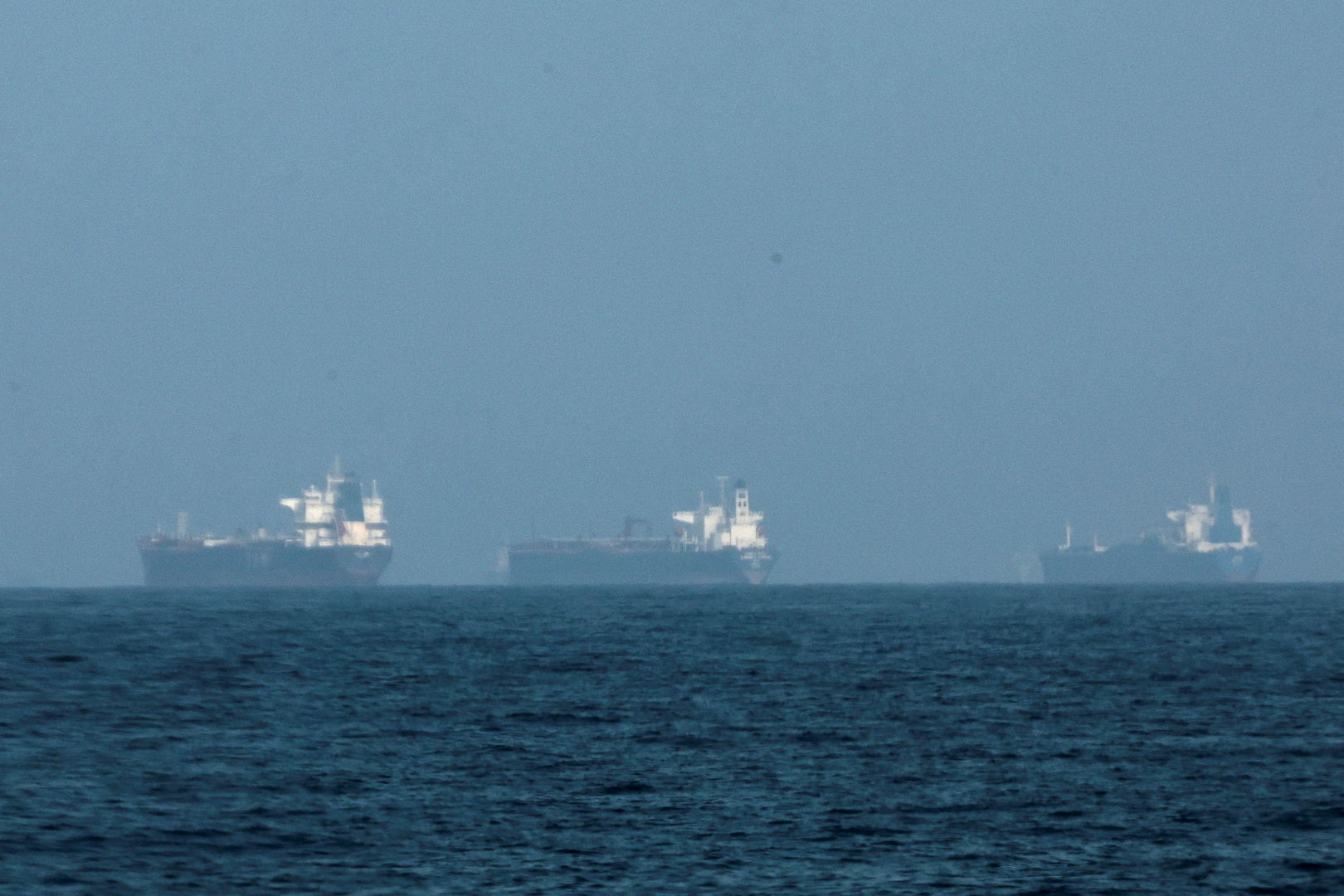
Regional stability remains a primary concern for European Union leaders regarding energy security and migration flows. Conflict in the area disrupts shipping lanes and threatens supply chains across the Mediterranean Sea. Economic analysts warn that prolonged instability could impact global trade routes significantly. Energy prices often fluctuate based on security in this corridor. Global markets react to uncertainty in the region daily.
According to a report by France 24, the minister emphasized the urgency of establishing official contact immediately. James Andre noted that French officials expect concrete responses from Israeli and Lebanese counterparts. The ministry stated that silence is not an acceptable outcome for the current security environment. Public pressure is growing for a resolution.
Economic implications extend beyond immediate security concerns into future reconstruction efforts for the region. Investors remain cautious about the area due to unpredictable political shifts and regulatory risks globally. A successful diplomatic breakthrough could open doors for infrastructure investment in Lebanon. International banks monitor these signals closely. Stability is key for foreign direct investment flows.
Challenges persist as internal political factions in both countries resist foreign mediation efforts strongly. Domestic pressures often override international diplomatic incentives during sensitive election cycles. Observers question whether external pressure can overcome entrenched internal grievances effectively. Local leaders face significant hurdles in gaining public support.
Future developments will depend on the willingness of local leaders to compromise on sovereignty issues. Next steps involve scheduling follow-up meetings within the French Foreign Ministry immediately. Monitoring these developments will be crucial for assessing the viability of the peace process. Timing remains a critical factor in achieving success.
The broader geopolitical strategy suggests a shift toward greater European involvement in Middle Eastern affairs. France aims to position itself as a key arbiter in post-conflict reconstruction scenarios. Success would enhance Parisian soft power while failure could diminish European influence. This approach reflects a broader trend in European foreign policy.