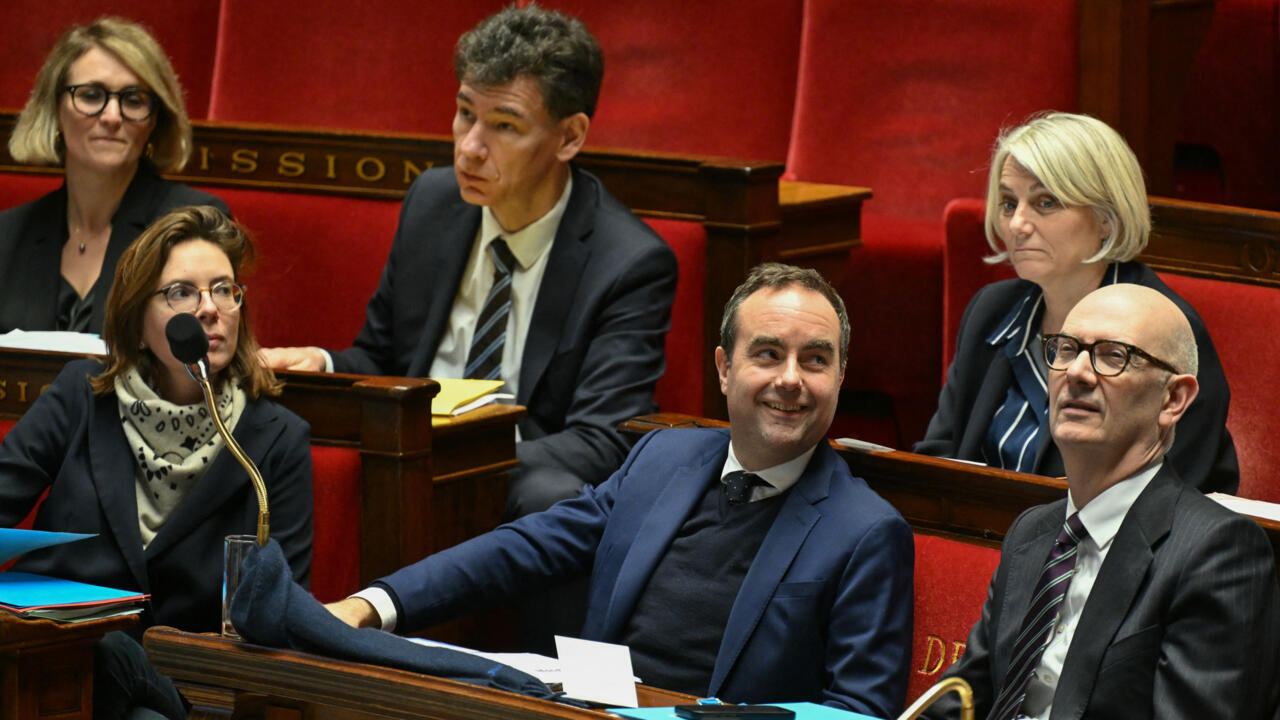
France adopted its delayed 2026 budget on Monday, a critical step achieved after Prime Minister Sébastien Lecornu invoked a special constitutional provision to force its passage, according to reports from france24.com. This chaotic, months-long legislative process exposed significant fractures within the currently fractured French parliament, which failed to broker a necessary compromise.
Mr. Lecornu survived two subsequent no-confidence votes initiated by opposition parties following his decision to pass the bill without a formal vote. The primary objective of the approved financing is to facilitate a major boost in French military spending, which President Emmanuel Macron deems essential for national defense preparedness.
The Defense Ministry is slated to receive an additional €6.7 billion this year compared to 2025, representing a substantial increase while most other public sectors face spending curbs. This funding will support the acquisition of a new nuclear-powered attack submarine, 362 modernized armored vehicles, and new Aster surface-to-air missile systems.
President Macron has linked the increased spending to the necessity of countering a widening array of threats, citing the ongoing conflict in Ukraine, nuclear proliferation risks, and cyber warfare capabilities. This budget adoption solidifies the financial foundation for force modernization that an earlier emergency law could not fully provide.
Economically, the government is targeting a budget deficit of five percent of Gross Domestic Product for 2026, a reduction from the 5.4 percent recorded in 2025, as Paris attempts to adhere to EU fiscal pressures. However, securing passage required costly concessions, including the suspension of unpopular pension reforms that would have raised the retirement age to 64.
To compensate for the spending constraints elsewhere, the budget includes tax increases targeted at large corporations, projected to generate an additional €7.3 billion in 2026. The state deficit is projected to reach €131.9 billion, remaining nearly stable compared to the prior fiscal year.
As Mr. Macron approaches the final year of his presidential term next spring, he has increasingly focused on foreign policy and defense matters, stepping back from domestic political turmoil. Mr. Lecornu, the fourth Prime Minister in two years, has now successfully navigated eight no-confidence motions since assuming office, underscoring the persistent legislative instability.