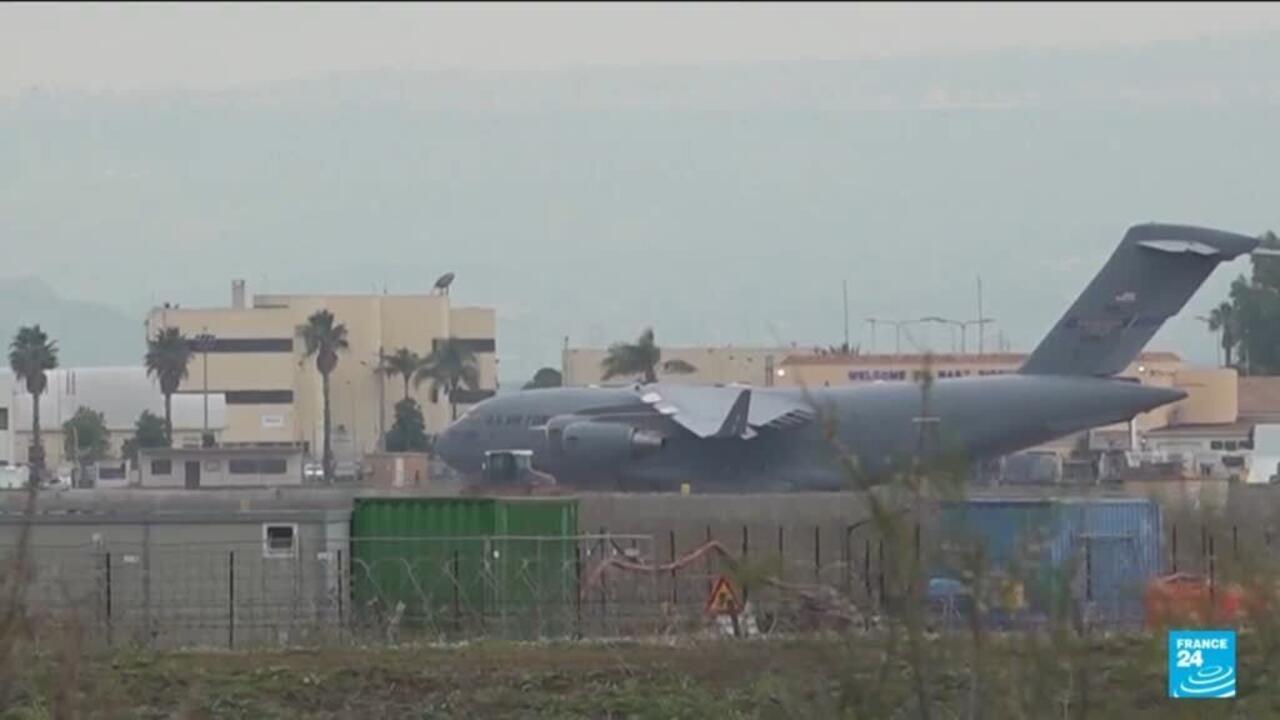
France, Italy, and Spain have formally opposed United States and Israeli military operations in Iran. This diplomatic move occurred on Tuesday as President Donald Trump criticized European NATO partners regarding their lack of support. The alliance faces significant strain over the ongoing month-long conflict in the Middle East. Public statements from the European governments suggest a unified front against further escalation.
Key Details
Madrid, Rome, and Paris coordinated their stance against Washington’s aggressive strategy in the region. Sources indicate that the three nations rejected any further escalation without explicit UN authorization. This coalition challenges the prevailing narrative of unified Western support for the operation. The decision highlights a deep fracture in the traditional security architecture of the Atlantic community.
Tensions escalated significantly after Trump labeled longtime allies as cowards for their inaction during the crisis. The President demanded greater military contribution from European NATO members to share the burden. This rhetoric has deepened the rift between Washington and key strategic partners across the continent. Critics argue the comments undermine decades of diplomatic trust and shared security interests.
France 24 reported the developments based on high-level diplomatic sources within the European capitals. Eliza Herbert covered the story regarding the shifting geopolitical landscape and the implications for NATO. The publication highlighted the urgency of the situation in the region for global stability. Officials in Brussels have expressed concern over the potential instability of the Atlantic alliance.
What This Means
European leaders warn that unchecked conflict could severely disrupt global energy markets and trade routes. Oil prices remain volatile amid fears of supply chain interruptions in the critical Strait of Hormuz. Economic stability depends on resolving the dispute without broader military intervention from multiple nations. Trade partners in Asia are also monitoring the situation for potential disruptions to their supply chains.
"Allies must not be forced into a conflict that serves only one interest," a senior French official stated during the briefing. The comment reflects growing frustration within the European Union regarding unilateral American foreign policy. Diplomatic channels are being used to mediate the disagreement before it causes permanent damage. Brussels seeks a multilateral approach to regional security issues to ensure long-term peace.
This incident marks a significant divergence from the standard transatlantic security framework established after the Cold War. Previous conflicts generally saw unified NATO messaging regarding regional threats and potential military responses. The current isolation of European powers signals a major policy shift in how the alliance operates. Analysts note that the alliance was not designed for such unilateral demands from the United States.
Markets will watch closely for any escalation in the coming weeks as diplomatic efforts continue. Investors monitor the stability of the dollar and European currencies amid the uncertainty. Future diplomatic summits will determine the path forward for the alliance and regional security. The outcome could reshape the relationship between the United States and its oldest partners forever.
The geopolitical landscape is evolving rapidly as economic sanctions and military threats intersect. Governments must balance domestic economic concerns with international security obligations effectively. Failure to compromise could lead to a new era of fragmented global alliances and reduced cooperation. La Era will continue to monitor the situation as it develops over the next few weeks.