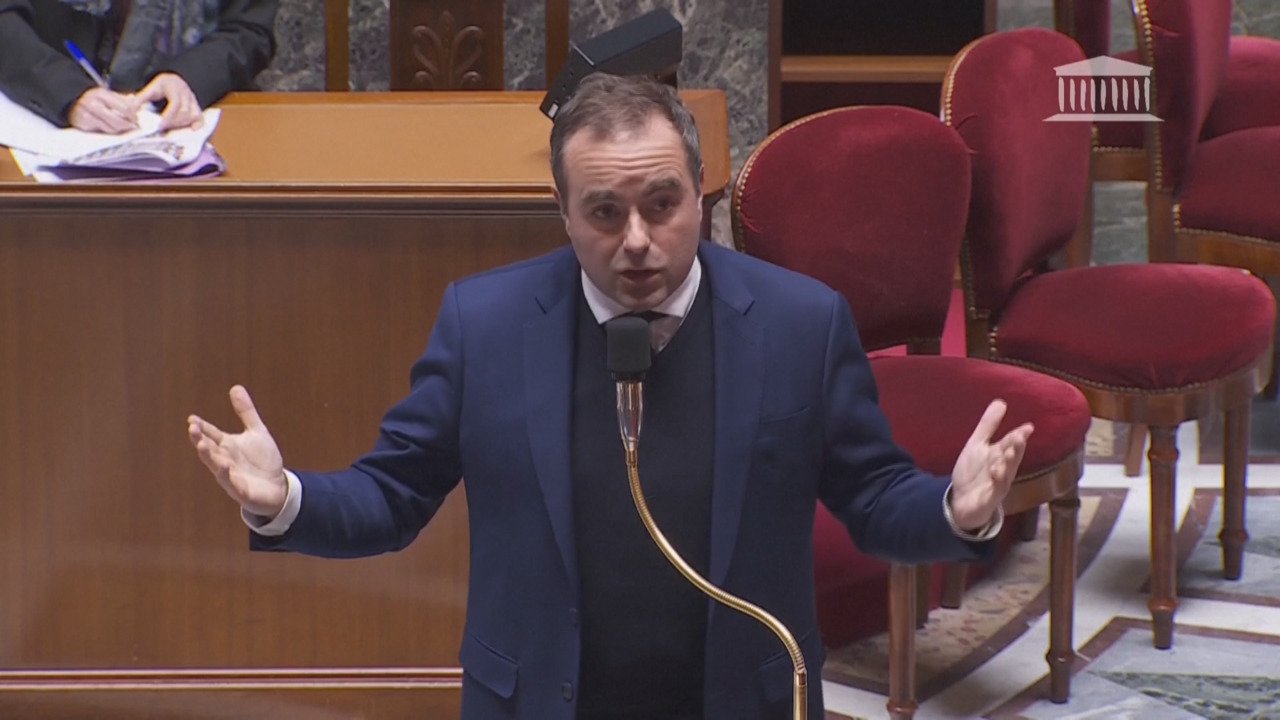
French Prime Minister Sébastien Lecornu secured the adoption of the highly contentious 2026 national budget, concluding a protracted period of parliamentary deadlock. The legislation passed after the Prime Minister navigated the final series of no-confidence votes brought by opposition blocs challenging the fiscal path. This development clears the immediate legislative hurdle threatening government operations.
The budget’s passage was achieved without a direct floor vote after the government secured crucial support from the Socialist Party, according to reports. This backing was reportedly contingent upon the administration agreeing to several costly policy concessions aimed at social spending initiatives. The necessity of such a deal underscores the government's minority status in the legislature.
Economists suggest the immediate passage prevents significant disruption to public services and scheduled infrastructure spending for the fiscal year. However, the concessions made to secure Socialist support may complicate future efforts to reduce the national deficit targets Paris has set with European Union partners. Fiscal discipline remains a key concern for international bond markets.
In a separate, though internationally relevant, development reported concurrently, US President Donald Trump announced intentions to reduce tariffs on goods imported from India. This policy shift is reportedly tied to a commitment from New Delhi to cease purchasing Russian energy supplies. This illustrates the ongoing intertwining of trade policy and geopolitical realignment efforts.
The French government’s ability to manage its domestic legislative agenda without resorting to the constitutional mechanism of Article 49.3 multiple times signals a temporary stabilization of the executive’s power. Nevertheless, the reliance on tactical, costly alliances suggests legislative battles will define the remainder of the fiscal cycle.
Global market observers will now turn their attention to the implementation details of the agreed-upon concessions and how they impact projected debt-to-GDP ratios. The stability of the French administration in managing its domestic finances is a significant indicator for broader Eurozone economic confidence.
What follows is likely intense scrutiny from Brussels regarding the financing of the newly agreed social expenditures. The French Ministry of Finance must now present revised projections that account for the political compromises made in the past weeks.