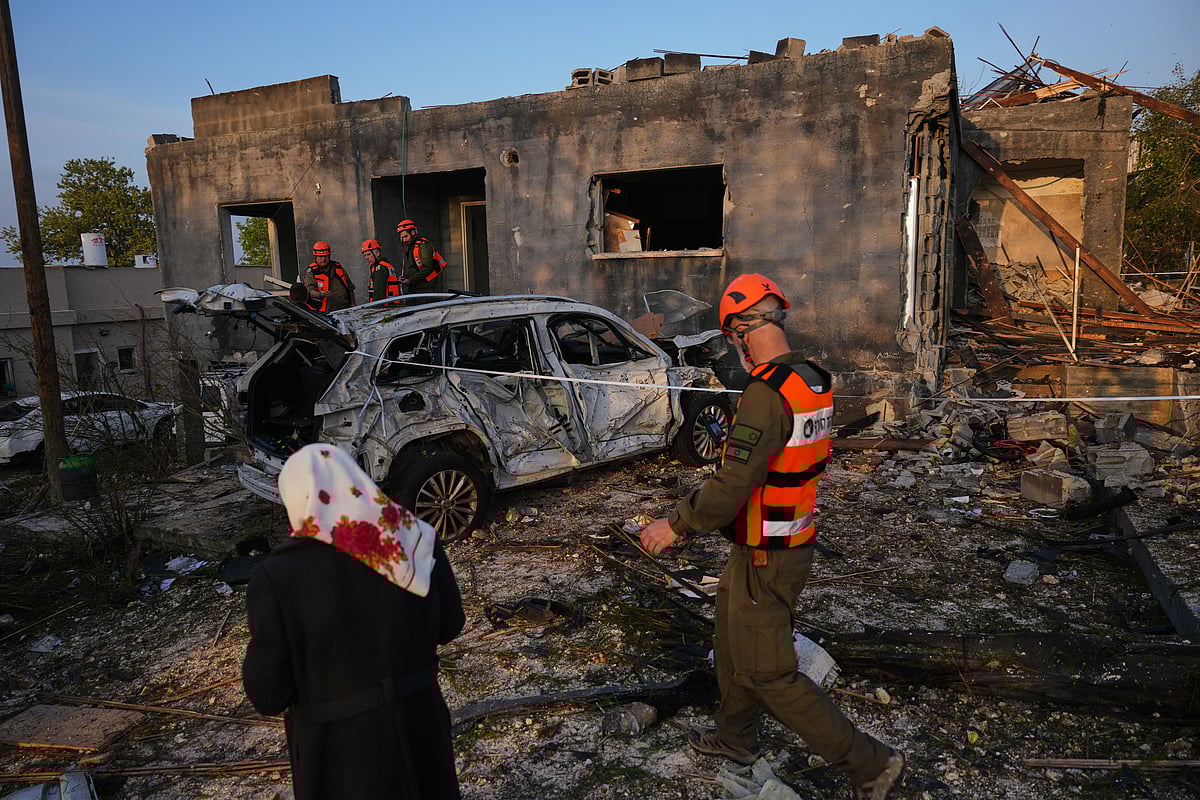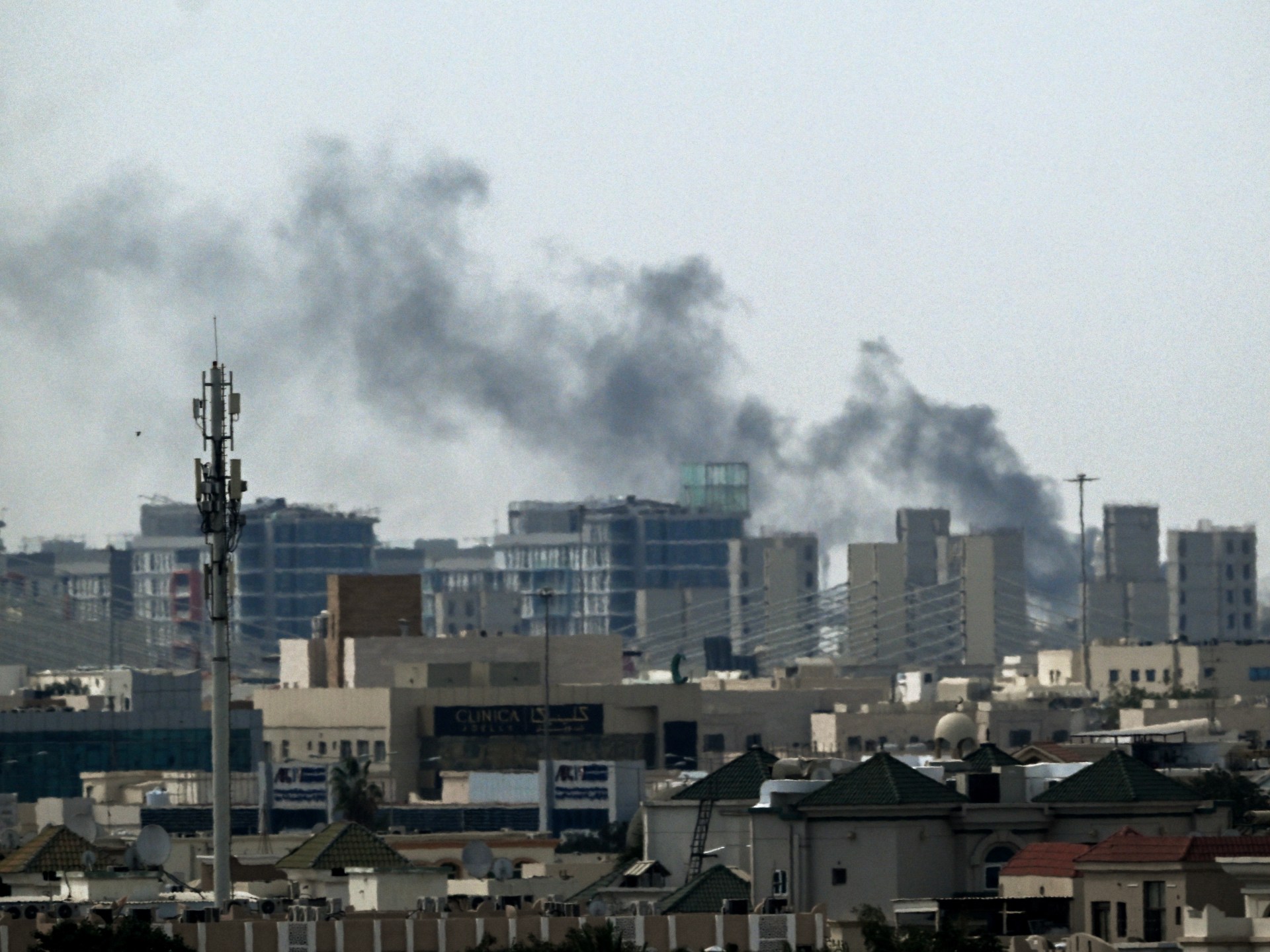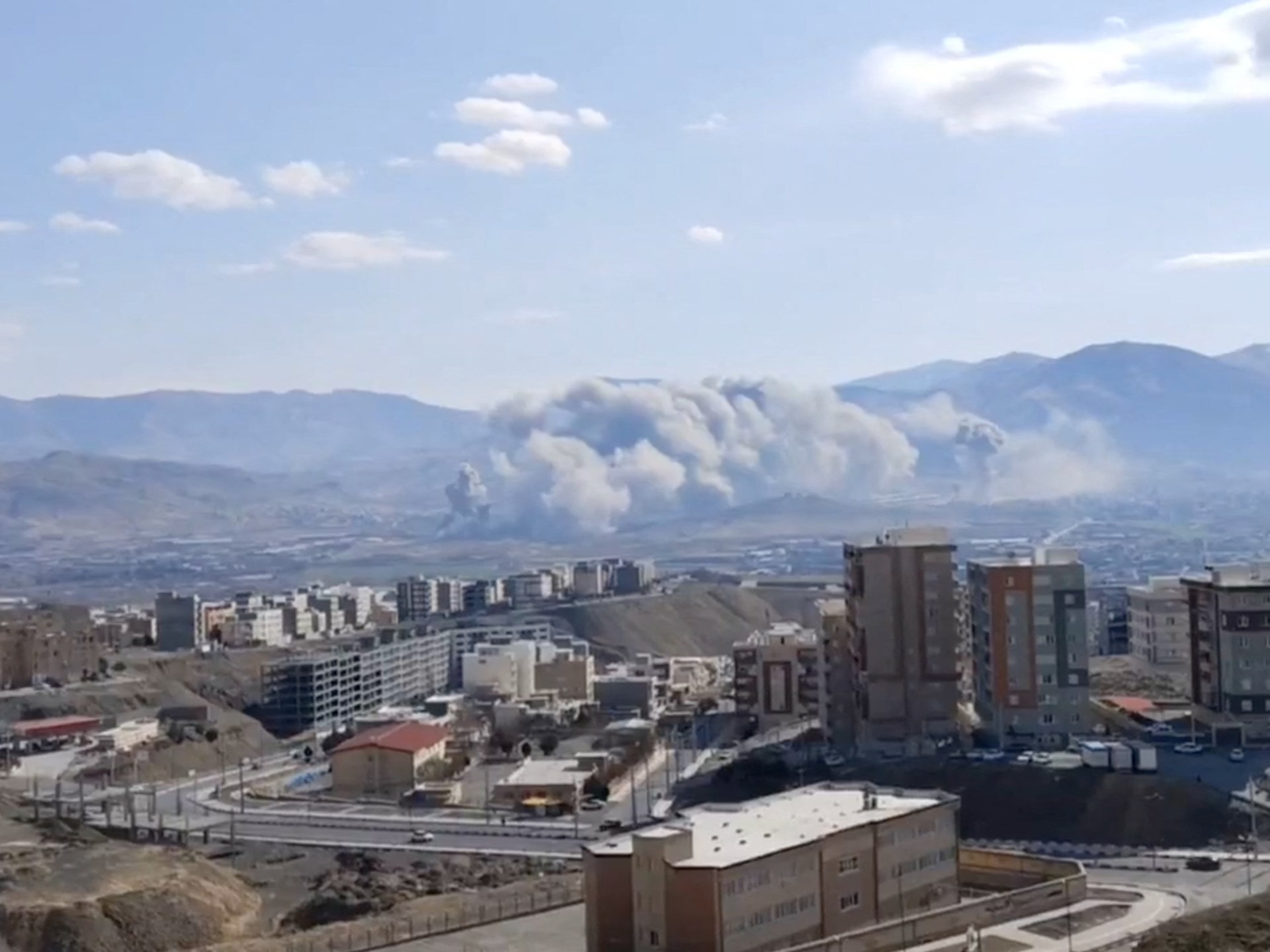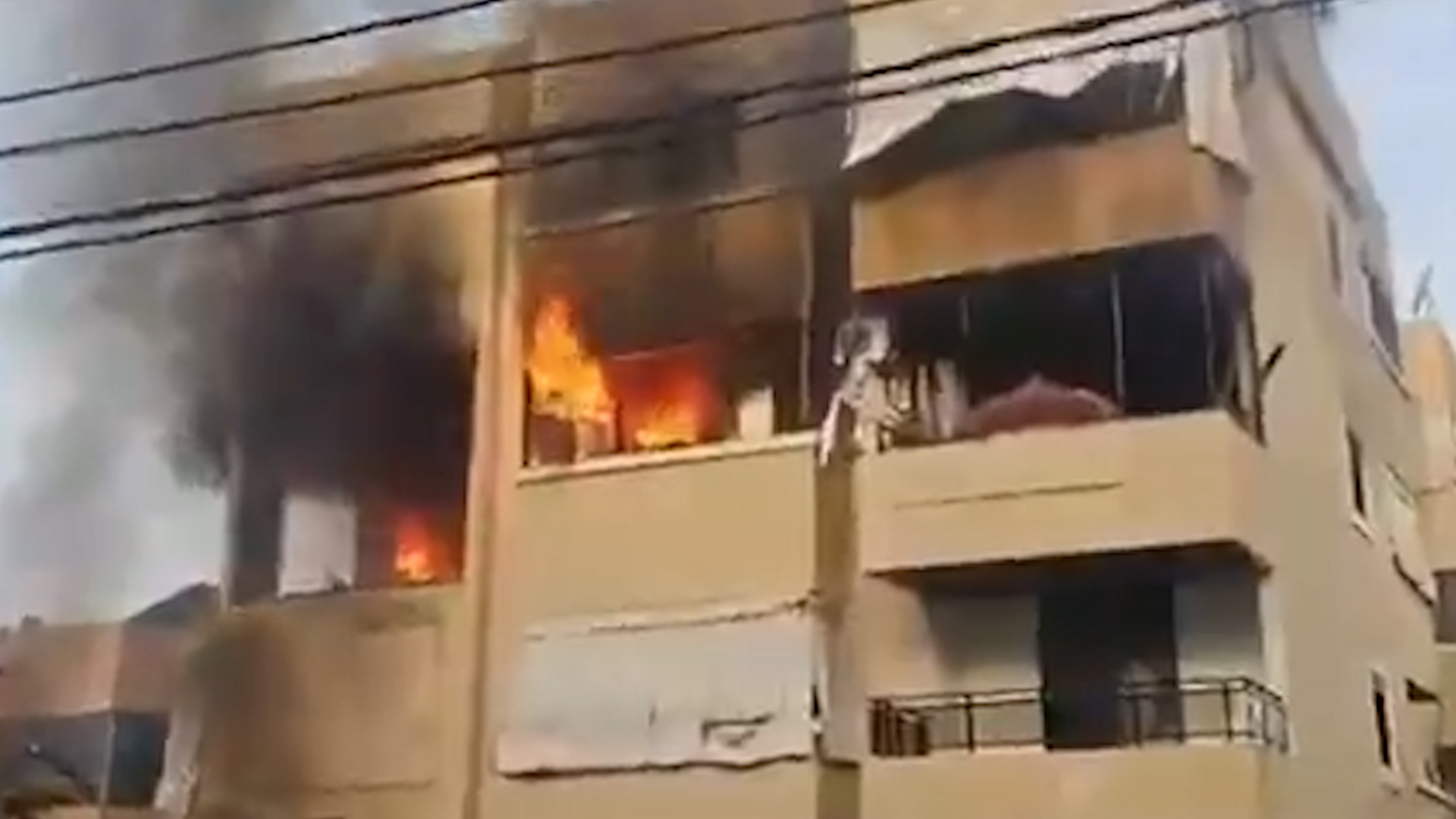
Four individuals died in an apartment building in southern Lebanon following a reported Israeli airstrike on March 14, 2026. The incident occurred in the Sidon area and marks a sharp escalation in regional hostilities as tensions mount across the Middle East. Al Jazeera reported that video footage captured a large fire engulfing the residential structure shortly after midnight local time.
Firefighters struggled to contain the blaze in the densely populated neighborhood while debris scattered across surrounding streets. Emergency services confirmed the death toll shortly after the initial explosion rocked the quiet suburb. Witnesses described hearing massive blasts before the building collapsed under the force of the impact. The exact identity of the victims remains unknown pending official verification by local health authorities.
This event coincides with heightened tensions involving the United States and Iran regarding nuclear and regional security. A breaking news ticker indicated the US president warned of attacks on Iranian military sites earlier in the week. Specifically, the Kharg island oil facility was highlighted as a potential target for future strikes.
Energy markets reacted immediately to reports of destabilization in the Persian Gulf and adjacent conflict zones. Kharg island hosts critical oil export infrastructure essential for global supply chains and European energy security. Analysts warn that disruption there could send oil prices soaring beyond 100 dollars per barrel within days.
Previous strikes in Lebanon have often triggered retaliatory measures from allied groups in the region within hours. This pattern suggests a volatile security environment for international actors seeking stability in the Levant. The frequency of such incidents has increased significantly since the start of 2026 without clear diplomatic resolution.
Diplomatic channels remain active despite the violence on the ground between multiple state and non-state actors. US officials stated they would continue to monitor the situation closely to prevent miscalculation. Iran reportedly dismissed the threats as empty rhetoric intended to intimidate the population and limit expansion.
Insurance companies are reviewing premiums for vessels transiting the Strait of Hormuz due to the mounting risk. Trade routes through the Red Sea remain under scrutiny due to the instability affecting shipping lanes. A prolonged conflict could further strain global economic recovery efforts and disrupt emerging market growth.
Observers await confirmation of responsibility from regional military commanders regarding the specific strike. The United Nations is expected to issue a statement condemning the violence soon to uphold humanitarian norms. Future developments will likely depend on diplomatic backchannel negotiations between Washington and Tehran. Continued monitoring is essential for investors tracking energy and defense sector exposure.