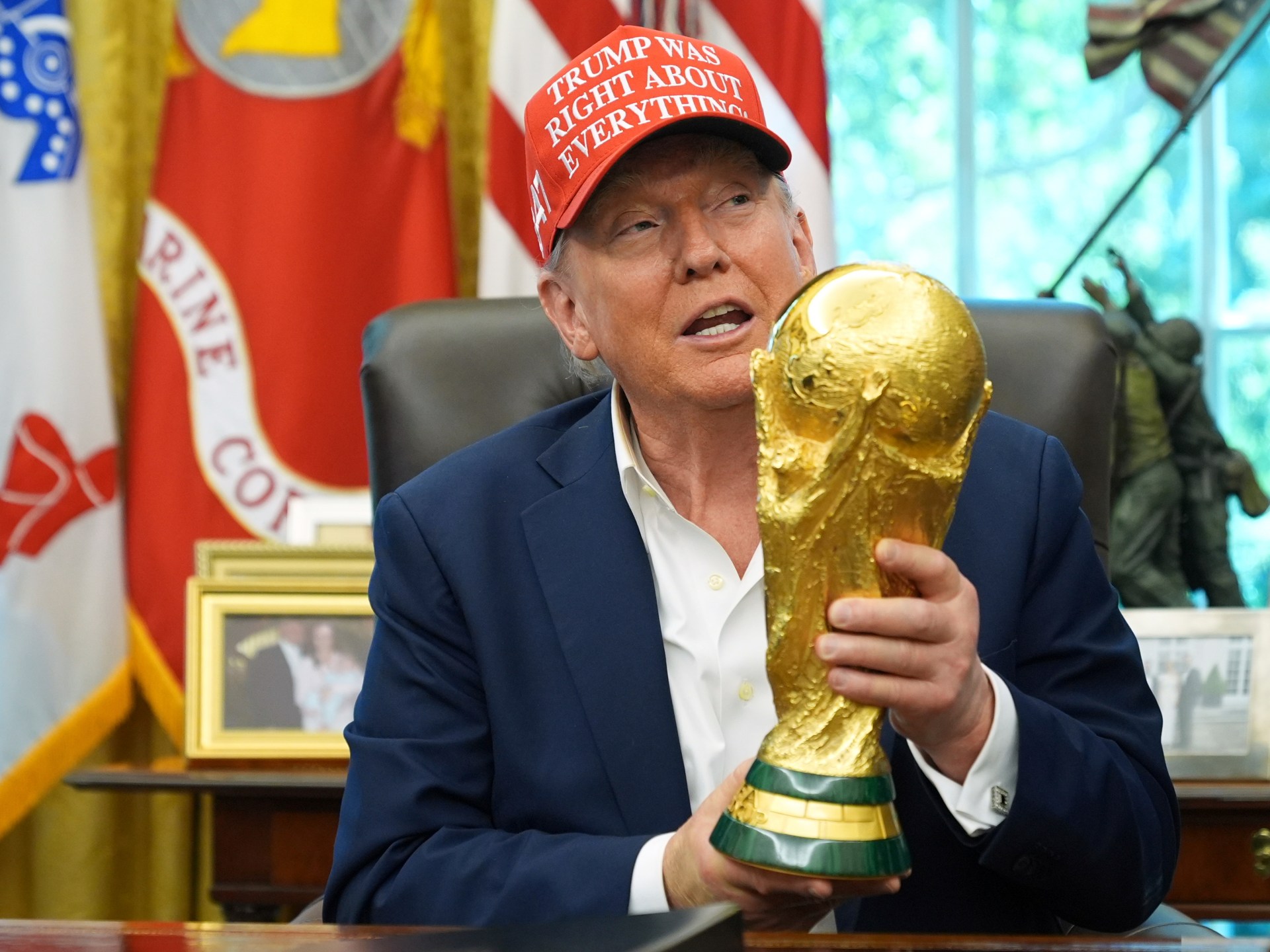
Former FIFA President Sepp Blatter publicly supported calls for a fan boycott targeting matches of the 2026 World Cup scheduled to take place in the United States, according to a post on X on Monday. Blatter’s endorsement amplifies concerns raised by international football figures regarding the suitability of the US as a primary host jurisdiction. The tournament is slated to be co-hosted by the US, Canada, and Mexico between June 11 and July 19.
Blatter referenced the statements made by Mark Pieth, a Swiss anti-corruption expert, who advised football fans to stay away from US venues entirely, suggesting viewing the matches on television would be safer. Pieth, who previously oversaw FIFA's governance reforms, warned that traveling fans might face immediate deportation if they displeased local officials. Blatter, who led FIFA from 1998 until his 2015 resignation amid a corruption probe, stated that he believed Pieth was correct to question the tournament’s staging in the US.
The international football community’s objections largely stem from recent US geopolitical actions and domestic immigration enforcement tactics. Specific points of contention include the administration’s posture regarding Greenland, as well as travel restrictions impacting qualified nations like Senegal, Ivory Coast, Iran, and Haiti. These restrictions effectively bar many potential supporters from attending matches in US cities.
Further political pressure emerged from Germany, where Oke Gottlich, a vice president of the German football federation, urged serious consideration of a boycott, drawing parallels to the Olympic boycotts of the 1980s. Gottlich expressed frustration over what he perceived as hypocrisy, contrasting the current silence with widespread criticism directed at the 2022 Qatar World Cup hosts over political issues.
Calls for withdrawal have also materialized in South Africa, with opposition leader Julius Malema urging the national team and its association to pull out, comparing the current US administration's actions to the human rights violations during apartheid. British lawmakers have similarly urged England and Scotland to withdraw to politically embarrass the sitting US President.
Despite these mounting international appeals, official football bodies in key nations appear hesitant to support a full boycott. The Royal Dutch Football Association noted it is monitoring geopolitical developments but has no immediate plans to withdraw its participation from the tournament.
The convergence of sports hosting and high-stakes geopolitics creates a complex logistical and public relations challenge for FIFA as the 2026 event approaches. The organization must now navigate significant political dissent while ensuring the commercial viability of the expanded tournament structure across North America.
These coordinated calls for non-attendance highlight a growing trend where major international sporting events become focal points for global political protest, potentially complicating future host selection processes for FIFA.