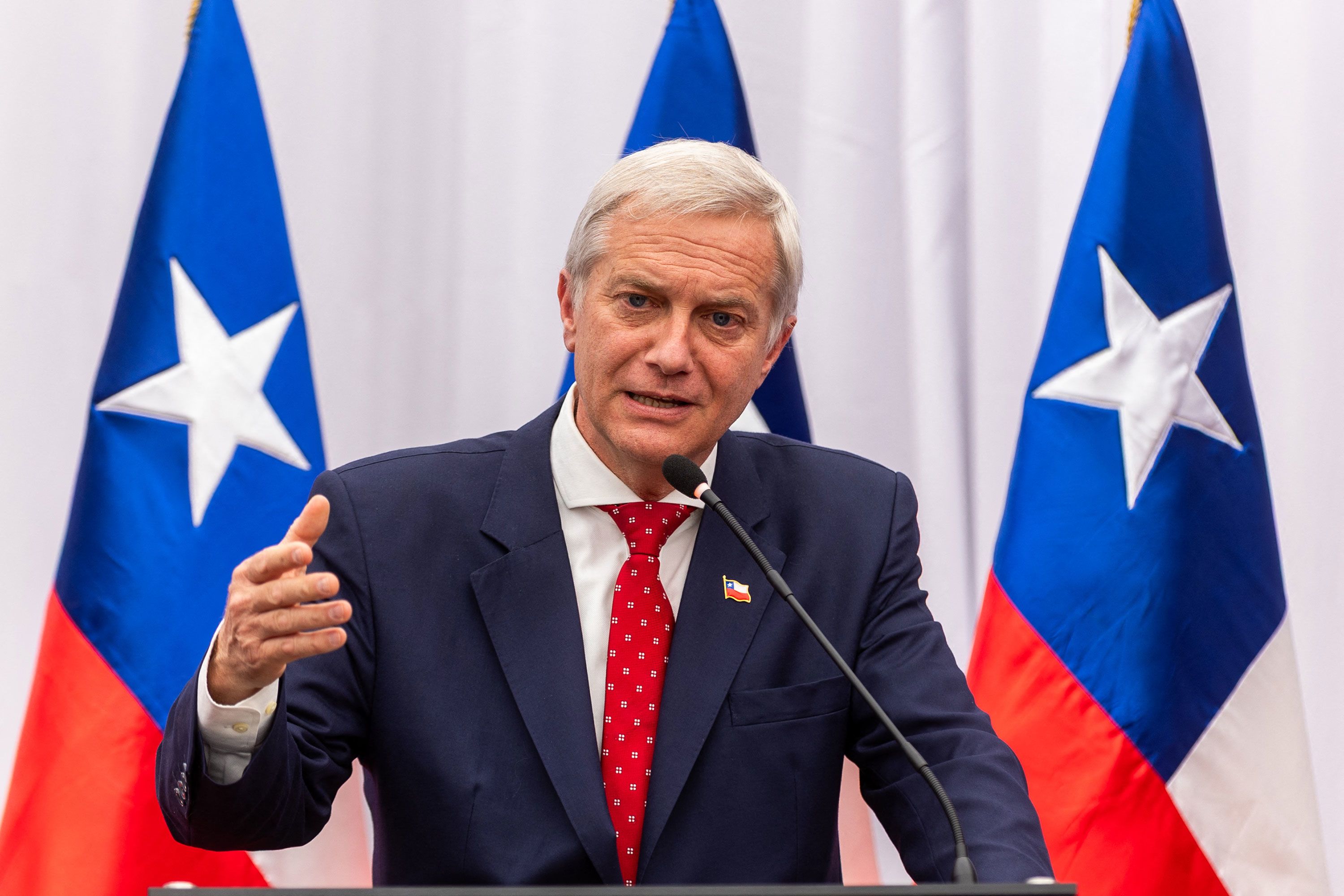
José Antonio Kast has been inaugurated as the 38th president of Chile, succeeding Gabriel Boric in a transition that signals a significant rightward shift in South American politics. The inauguration ceremony, attended by over 15,000 people, saw Boric hand over the presidential sash to the far-right leader, who has promised an emergency government prioritized by law and order, economic growth, and tightened border security.
Kast, the first president in Chile’s democratic era to have openly supported the military regime, enters office at a time of deep domestic tension. His government team, consisting of 24 appointees, is set to begin its work immediately. While the new administration has signaled a focus on security, the political transition follows a period of unrest, including recent student protests in Santiago where police deployed water cannons to disperse crowds.
A Nation in Transition
The shift comes as Chile grapples with complex geopolitical and social challenges. The outgoing Boric administration faced sharp criticism from U.S. Republican Representative Carlos Gimenez, who accused the former president of "undermining U.S. policy by supporting Cuba's murderous dictatorship." Meanwhile, the regional political climate remains volatile, with Colombian President Gustavo Petro recently urging migrants to return home, claiming that Colombians in countries like Chile are treated "like slaves and dogs chased through the streets."
Chilean authorities are also managing a series of crises, including wildfires in the regions of Nuble, Biobio, Araucania, and Los Rios, and ongoing clashes over fishing quotas in Valparaiso. The violence in Valparaiso resulted in seven police officer injuries, with one official suffering serious head wounds, according to General Patricia Vasquez.
Beyond domestic policy, the new government faces pressure regarding international investigations. Recent reports have linked the Venezuelan government of Nicolás Maduro to the assassination of a dissident on Chilean soil, an accusation that Venezuelan officials have rejected. Concurrently, the administration must navigate the legacy of the past, as the country continues to reckon with human rights abuses, including the 1976 assassination of Orlando Letelier and his assistant, Ronni Moffitt, in Washington D.C.
Economic and infrastructure projects remain a focal point of the new administration’s agenda. Industry experts note that mining giants in the world’s top copper-producing nation continue to struggle with lower ore grades and water shortages. Additionally, the government is reviewing a Chinese undersea cable project that drew strong objections from the Trump administration. As the new cabinet takes its place, the nation looks toward a future defined by a departure from the leftist policies of the previous decade.