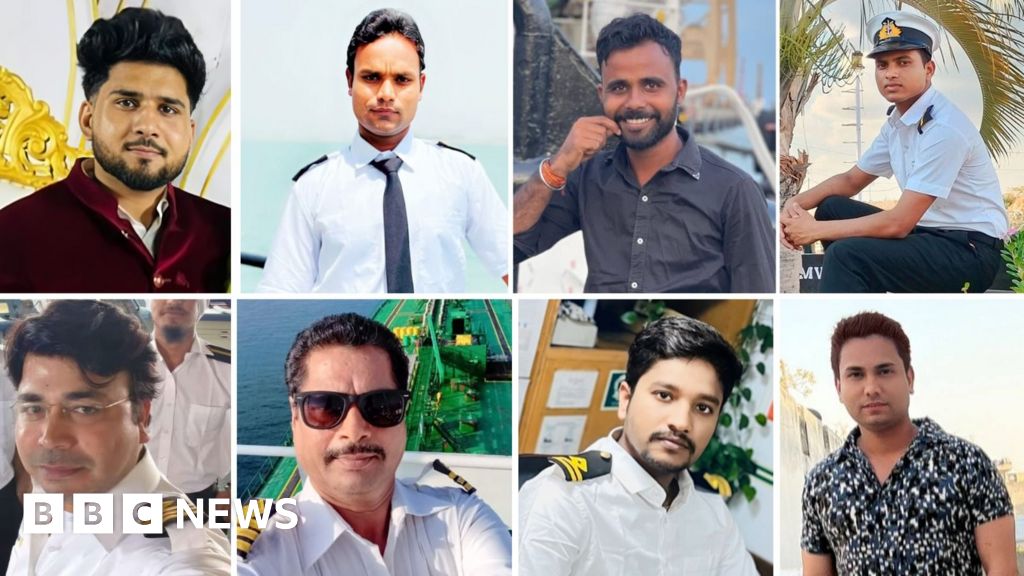
Families of sixteen Indian seafarers, detained since December on the seized MT Valiant Roar, expressed acute anxiety over their loved ones' welfare amid ongoing regional geopolitical instability, according to reports submitted to the Delhi High Court. Iranian authorities seized the vessel on December eighth, alleging the ship, operated by Prime Tankers LLC, was transporting 6,000 metric tonnes of illicit diesel, a charge the company refutes.
Ten of the Indian nationals, alongside one crew member each from Bangladesh and Sri Lanka, have been arrested and moved to Bandar Abbas prison, while the remaining six Indians are reportedly confined to the vessel. The Indian Ministry of External Affairs confirmed gaining consular access to the ten arrested men, though access to those remaining onboard is contingent on clearances from the Iranian Navy and Prosecutor's office.
Relatives allege the crew members still aboard face harsh conditions, citing confinement in a small room without adequate potable water or food, with most personal electronic devices confiscated. The situation is exacerbated by generator failures, leading to sanitation issues and raising concerns over dwindling supplies, as reported by a relative to the BBC.
Jugwinder Brar, owner of Prime Tankers, claimed the vessel was carrying standard Very Low Sulphur Fuel Oil (VLSFO) for refueling its fleet, dismissing the seizure as potentially linked to mistaken identity or lingering tensions. Brar noted that his companies and vessels are subject to US sanctions, with the Treasury Department alleging they operate as part of Iran's shadow fleet, a claim Brar countered by stating the US acts as an unchallenged authority.
Iran routinely monitors maritime traffic to combat fuel smuggling, given its heavily subsidized domestic fuel prices. The seizure occurs shortly before the crew members' nine-month contracts were due to conclude in January, adding personal urgency to the commercial dispute.
Union representatives argue that cargo disputes should be settled between companies and state authorities, not by detaining workers, with one relative directly accusing Iran of using the crew as human shields. The prolonged detention raises questions regarding maritime law compliance in resolving commercial cargo allegations in politically sensitive zones.
Diplomatic efforts remain focused on securing the release of all crew members, though the internal political turbulence within Iran and increased US military presence in the region have reportedly complicated scheduling consular visits. The next steps hinge on Tehran's judicial process concerning the ten arrested men and negotiations for the release of those remaining on the vessel.