Families Sue US Government Over Fatal Caribbean Drug Interdiction Strikes
Publicidad
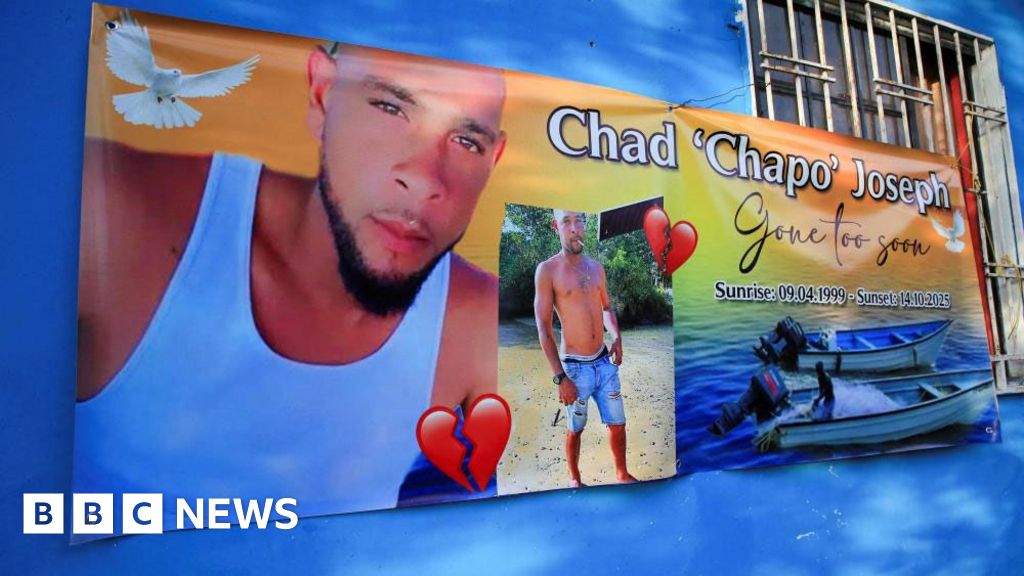
Families of two Trinidadian nationals killed during a US military strike against an alleged drug-smuggling vessel have filed a federal lawsuit challenging the legality of Washington's expanding maritime interdiction operations in Caribbean waters.The lawsuit, filed Tuesday in Boston federal court, represents relatives of Chad Joseph and Rishi Samaroo, who were among six men killed in a US strike off Venezuela's coast on October 14. The legal action marks the first significant judicial challenge to the Trump administration's intensified anti-narcotics campaign in the region.According to court documents, the families are pursuing claims under the Death on the High Seas Act and the Alien Tort Statute, arguing the killings constituted wrongful deaths of civilians not engaged in military hostilities against the United States."These were lawless killings in cold blood; killings for sport and killings for theatre," stated one of the plaintiffs' attorneys, characterizing the strikes as violations of international law governing armed conflict.The case highlights growing legal scrutiny of US maritime operations that have targeted at least 36 vessels in the Caribbean and Eastern Pacific since September, resulting in more than 120 fatalities. The Pentagon has positioned these operations as a "non-international armed conflict" with alleged narco-terrorists, though legal experts question whether such classification meets international humanitarian law standards.Joseph's mother, Sallycar Korasingh, and Samaroo's sister maintain the two men worked in fishing and agriculture in Venezuela and were returning to Trinidad and Tobago when their vessel was struck. "If the US government believed my son had done something wrong, it should have arrested, charged and detained him, not murdered him," Korasingh stated.The legal challenge comes amid broader international concerns about US unilateral maritime enforcement actions. A separate case involving a Colombian national killed in a US strike has been filed with the Inter-American Commission on Human Rights, suggesting potential regional diplomatic complications.The Pentagon has not responded to requests for comment regarding the lawsuit. The case represents a significant test of US legal frameworks governing overseas military operations and could establish important precedents for accountability in maritime interdiction campaigns.Source: BBC