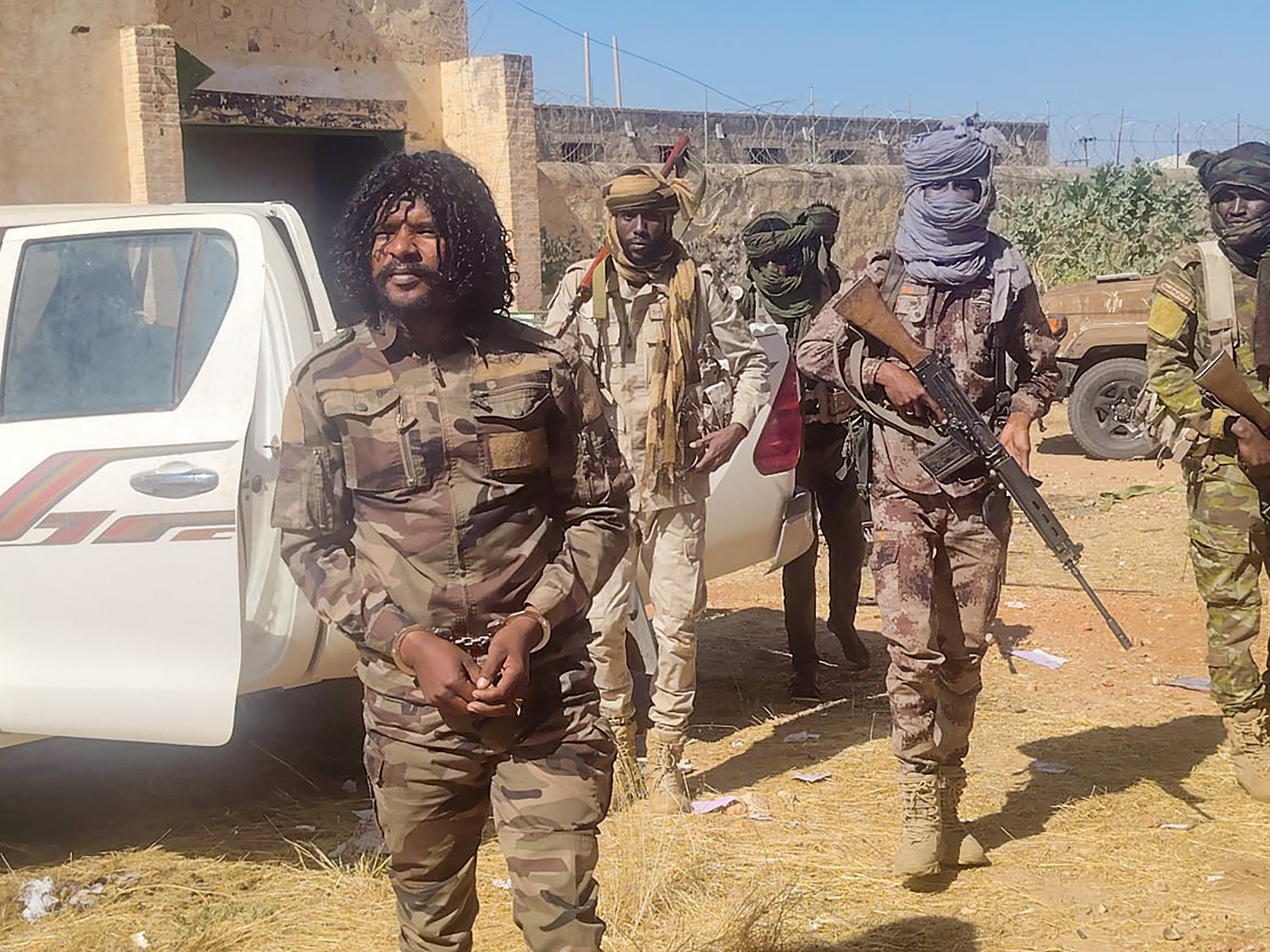
Dr. Mohamed Ibrahim, a 28-year-old physician, described the assault on El-Fasher, the capital of North Darfur, by the paramilitary Rapid Support Forces (RSF) as resembling “judgement day.” According to a report by The Associated Press, Ibrahim recounted fleeing the city’s last functioning medical facility under incessant bombardment where civilians were reportedly shot while attempting to escape.
The violence, which commenced on October 26, concluded the siege maintained by the Sudanese army, marking a major strategic victory for the RSF in the civil war ongoing since April 2023. The conflict has already generated the world’s largest displacement crisis, according to the United Nations, placing immense strain on regional stability.
Ibrahim detailed RSF fighters opening fire indiscriminately on civilians scrambling for cover, with some allegedly being mowed down by vehicles during the advance. The doctor stated that witnessing the scale of the killing instilled a profound sense of impending personal doom as the city fell to the paramilitary force.
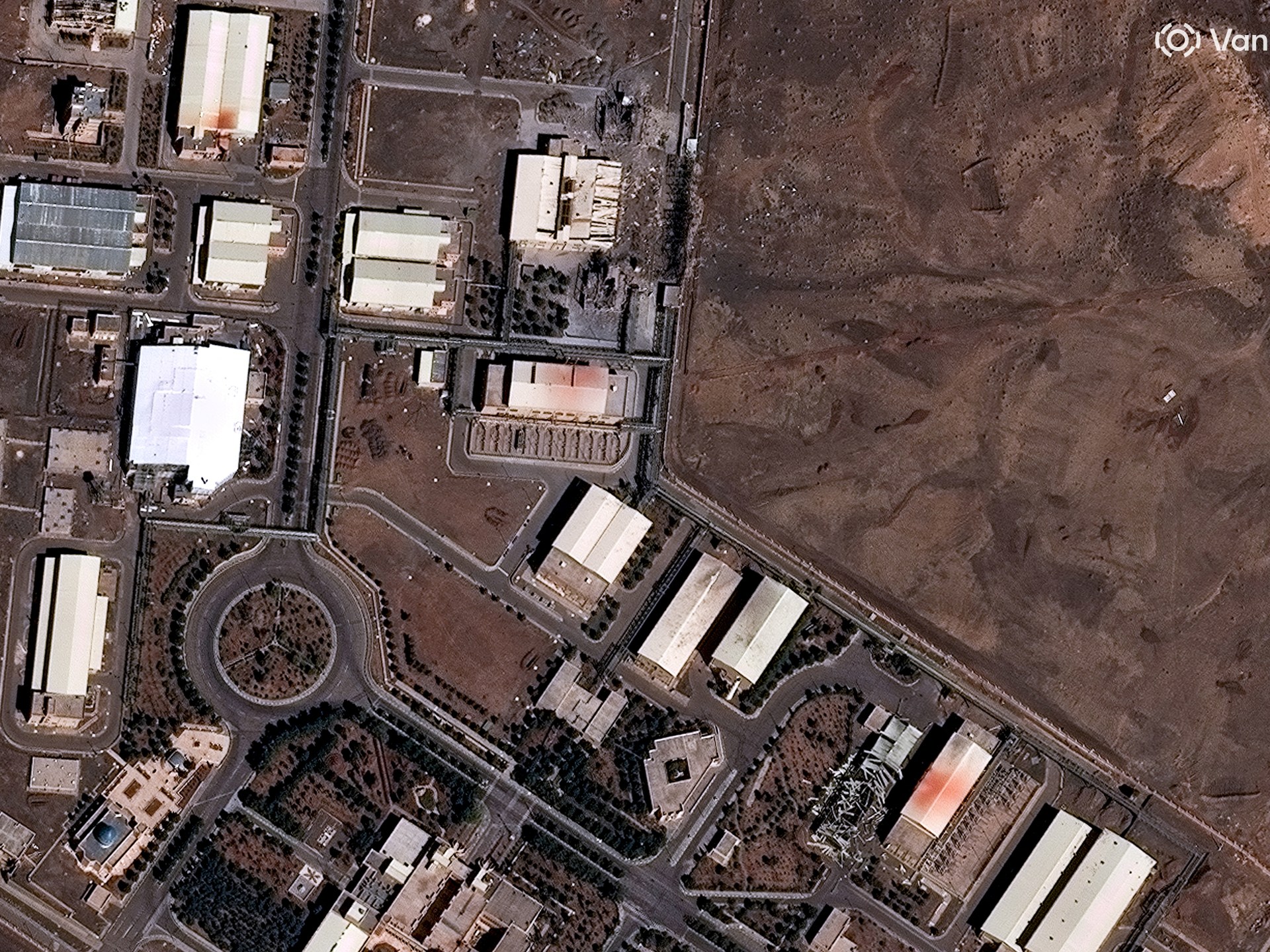
Following the military takeover, human rights groups and the UN point to systematic mass killings and ethnic cleansing, triggering investigations into potential war crimes by international bodies. Satellite imagery analyzed by Yale University’s Humanitarian Research Lab reportedly identified over 150 clusters consistent with human remains in the immediate aftermath.
Dr. Ibrahim himself was captured by RSF fighters who demanded ransom, initially seeking $20,000 before his family negotiated his release for $8,000. He intentionally concealed his profession, citing reports that doctors were specifically targeted or exploited by the advancing forces.
The mass exodus following the RSF entry was significant, with the International Organization for Migration reporting that over 26,000 people fled El-Fasher within two days of the takeover. This displacement wave contributed substantially to the over 106,000 people displaced from the area by late November.
International pressure is mounting against the RSF leadership, with the United States, United Kingdom, and the European Union imposing sanctions on key commanders recently. The International Criminal Court’s deputy prosecutor noted that “organised, widespread mass criminality” was utilized to assert control over the area following the siege’s conclusion.
The detailed testimony and corroborating evidence from satellite analysis underscore the severe humanitarian and legal ramifications of the fall of El-Fasher. Attention now shifts to accountability mechanisms and the capacity of regional actors to mitigate further atrocities in Darfur.