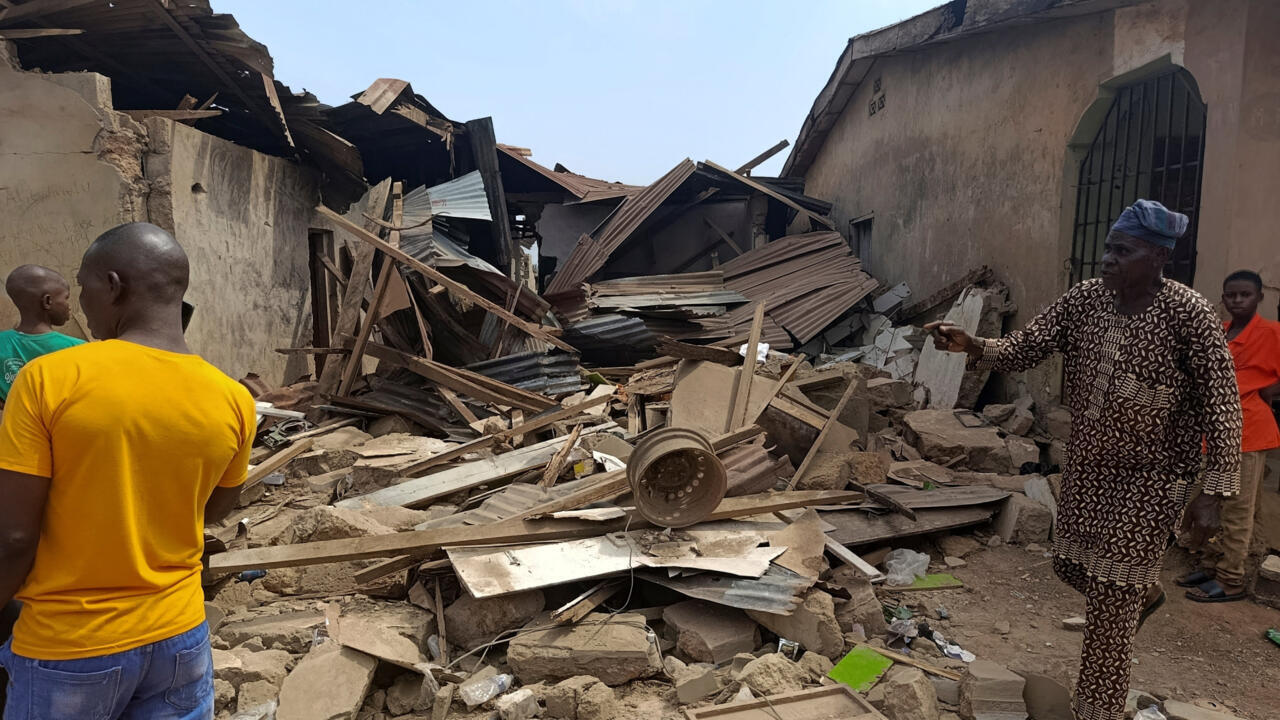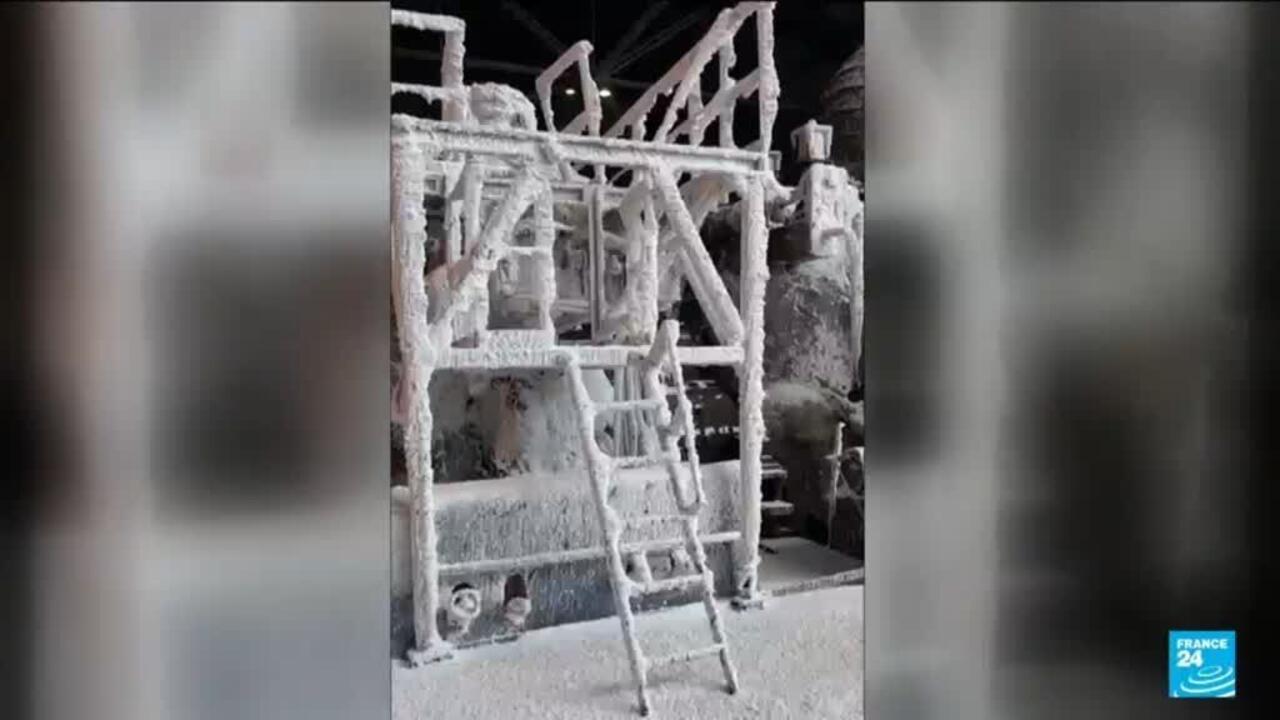
The European Union issued a stark warning that sustained Russian missile and drone strikes on Ukraine’s critical energy infrastructure threaten a humanitarian catastrophe as winter conditions intensify. These attacks have reportedly plunged significant portions of the population into darkness and freezing temperatures, with reports citing conditions as low as minus 20 degrees Celsius.
According to reports citing EU officials, the escalation of damage to power generation and distribution facilities represents a significant strategic move by Moscow to undermine civilian resilience. This coordinated assault on essential services occurs just weeks before the fourth anniversary of Russia’s full-scale invasion next month.
The bloc is actively coordinating an accelerated response to mitigate the humanitarian impact and support grid recovery efforts. The EU is reportedly preparing an additional significant tranche of economic sanctions aimed at further constraining Russia's financial capacity to sustain the conflict.
This coordinated international response underscores the deepening geopolitical fault lines between the West and the Kremlin over the protracted conflict. The focus remains on ensuring the operational integrity of Ukraine’s energy backbone through emergency supplies and technical assistance.
Data from Kyiv indicates that the frequency and precision of recent strikes have severely degraded the capacity for rapid repair, creating mounting strain on local utility services. International energy analysts view the sustained targeting of heating assets as an attempt to degrade state control and morale during the coldest months.
The forthcoming sanctions package is expected to target sectors facilitating Russia’s military-industrial complex, according to sources familiar with the ongoing negotiations among member states. The EU seeks to maintain economic pressure while simultaneously bolstering Ukraine’s immediate survival capacity.
In the immediate term, the focus for Kyiv and its partners remains securing mobile power units and specialized repair equipment capable of functioning under active threat conditions. The situation highlights the ongoing vulnerability of critical civilian assets in modern high-intensity conflict zones.