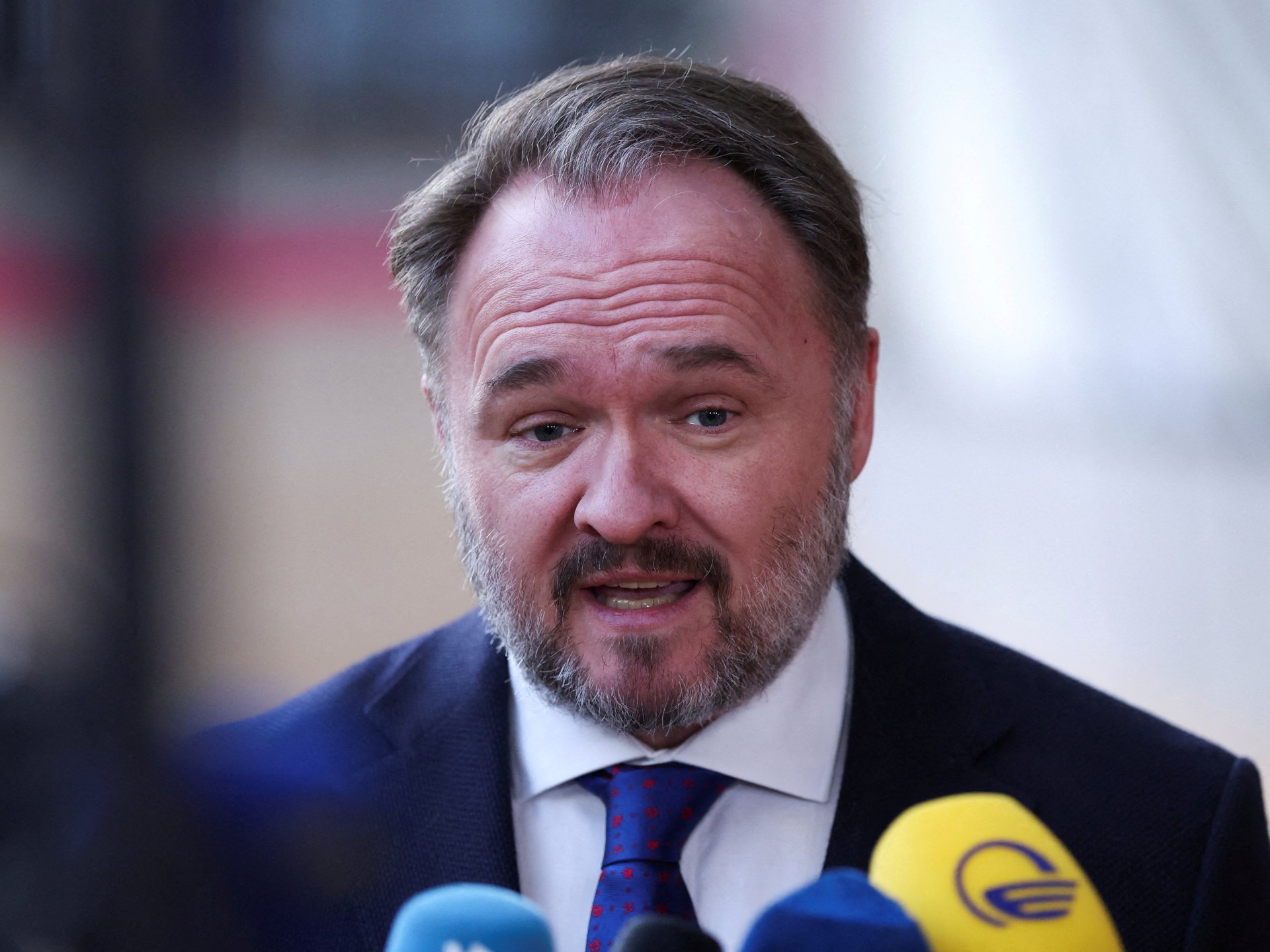
The European Union has officially instructed member states to accelerate natural gas storage efforts ahead of the upcoming winter season. Energy Commissioner Dan Jorgensen issued a formal directive Saturday following a sharp escalation in conflict involving Iran and its immediate neighbors. This strategic move aims to stabilize volatile global commodity markets that have reacted aggressively to the unfolding regional hostilities.
In a letter distributed over the weekend, Jorgensen requested that nations begin filling reserves immediately rather than waiting until the traditional autumn rush. He proposed adjusting the standard filling target down by 10 percentage points to 80 percent of capacity to accommodate current market disruptions. This strategic adjustment seeks to mitigate price pressure while ensuring adequate supply levels for heating and power generation throughout the region.
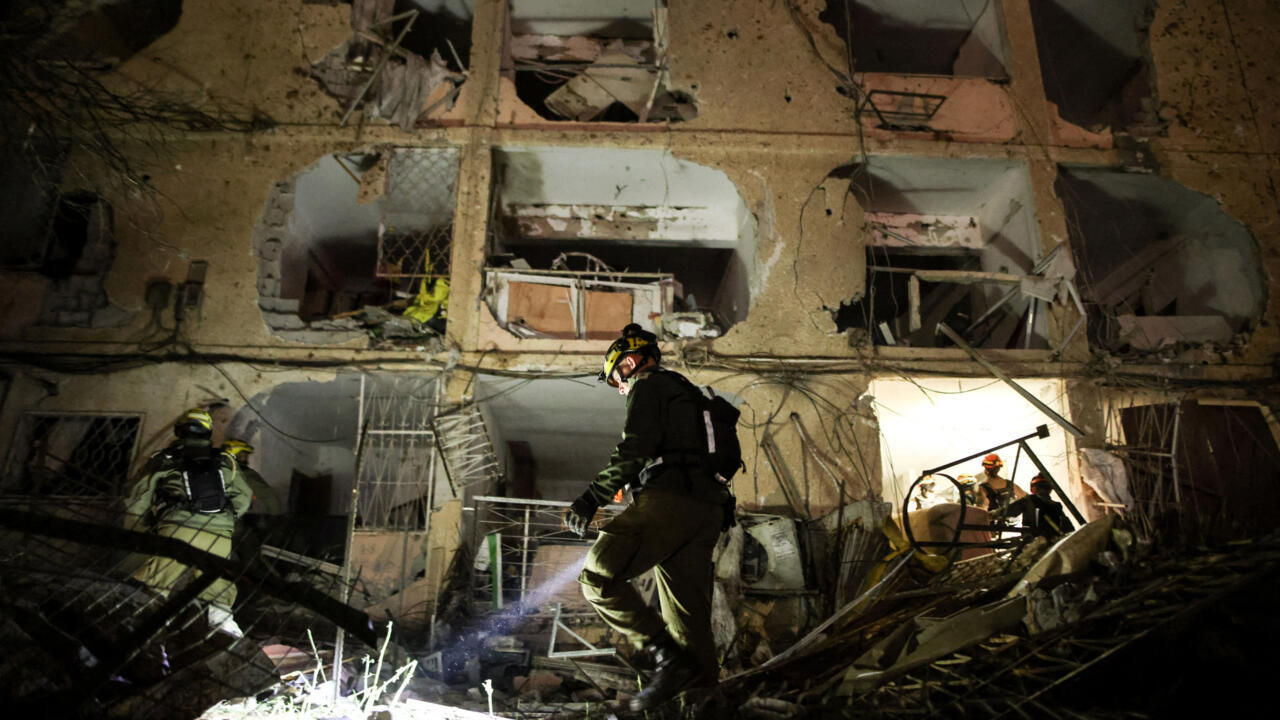
The urgency stems from recent attacks on Qatar’s Ras Laffan Industrial City complex during the ongoing US-Israeli war on Iran. This facility supplies approximately 20 percent of global liquefied natural gas, making it a critical node in international energy infrastructure. State-owned QatarEnergy confirmed that the assault disabled 17 percent of Doha’s export capacity for the foreseeable future.
Experts warn that the reduction in Qatari output will primarily impact major Asian buyers including China, Japan, and India. These nations collectively consume roughly 80 percent of the LNG produced by QatarEnergy, leaving them vulnerable to supply shortages. The disruptions are expected to persist for up to five years, fundamentally altering the energy trade dynamics across the Pacific region.
Although Europe sources less than 10 percent of its liquefied natural gas from Qatar, the bloc faces indirect risks from the conflict. Tanker traffic leaving the Gulf through the Strait of Hormuz faces throttling due to the intensifying war, raising transport costs for all buyers. This bottleneck creates increased competition for alternative supply routes, potentially driving up costs for European consumers regardless of origin.
Natural gas prices within the European Union have already climbed more than 30 percent since the conflict began on February 28. Prices spiked further following Israeli strikes on the Iranian South Pars gasfield and the subsequent retaliation against Qatari facilities. These fluctuations highlight the fragility of current energy security arrangements in a multipolar geopolitical environment.
Oil prices have similarly surged by more than 50 percent since the start of the hostilities, reflecting broader market anxiety. Jorgensen warned that these developments threaten both regional stability and global energy security for the coming months. The commission retains the authority to allow deviations of up to 20 percent from the adjusted target if difficult conditions persist.
Future developments will depend on whether the conflict expands beyond the immediate theater or if supply chains can be secured effectively. Markets will watch closely to see if the 80 percent storage target proves sufficient to withstand a cold winter without rationing. The outcome could redefine energy procurement strategies for the next decade across the transatlantic alliance.