European Commission President Ursula von der Leyen declared Europe’s intent to reduce strategic dependence on the United States during a recent address, signaling a major geopolitical shift away from the post-WWII Atlantic certainty, according to reports from the World Economic Forum 2026. This move follows perceived transactional risks stemming from geopolitical shocks, including the Nixon Shock of 1971 and recent trade confrontations.
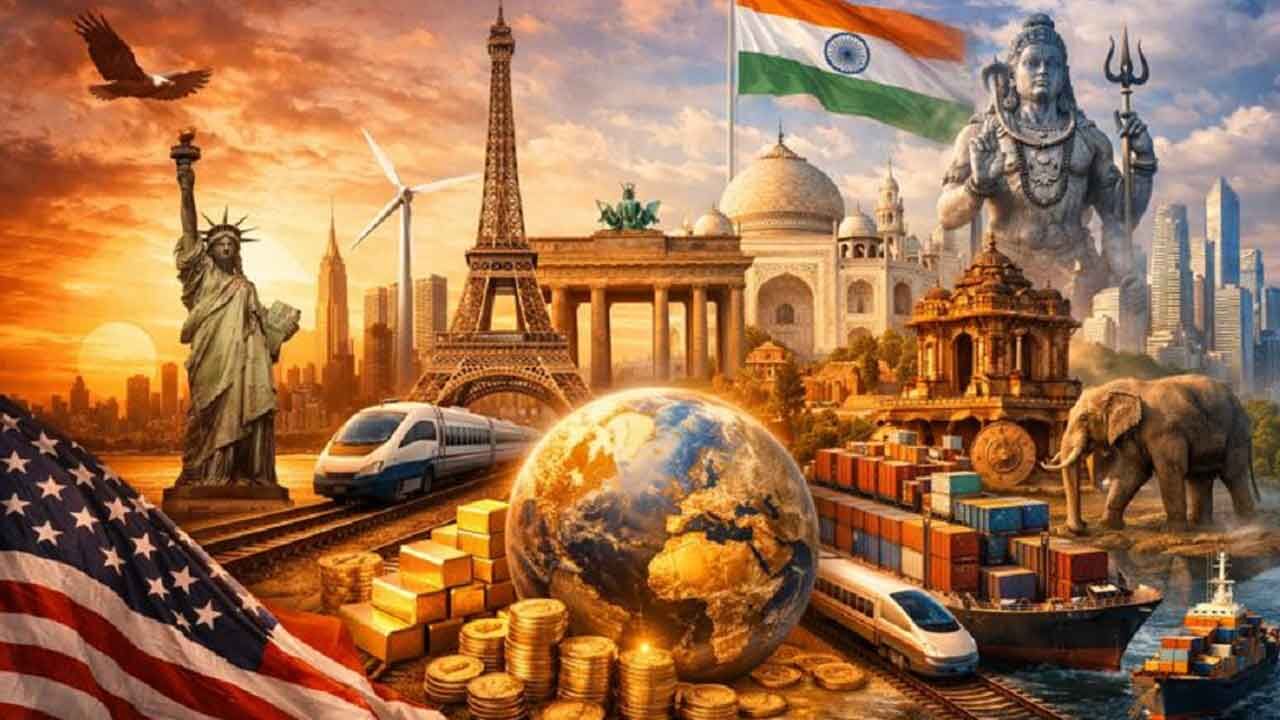
Von der Leyen outlined four pillars for European independence: diversifying trade, securing raw materials, integrating capital markets, and bolstering defense capabilities, none of which can be achieved without engaging the Global South. Bharat (India) is positioned as a uniquely critical partner in this strategy, offering scale and alignment with European de-risking objectives.
The potential EU-India trade agreement is described as "the mother of all deals," as it would encompass a two-billion-person market, representing nearly a quarter of global Gross Domestic Product. This negotiation follows the EU’s finalization of the EU-Mercosur trade pact, which links 31 countries and signals Europe’s preference for scale and resilient supply chains over tariff-driven nationalism.
Europe’s need to secure food supply chains while adhering to climate goals aligns with India’s diversified agricultural base and advancements in digital public infrastructure. The focus is on establishing traceable, climate-compliant supply chains, transforming agriculture into strategic infrastructure for Europe, as reported by bizzbuzz.news.
Europe’s stated goal of “de-risking” from geopolitical vulnerabilities creates an opening for India to attract manufacturing relocation into European industrial value chains, particularly in clean manufacturing sectors like electronics and batteries. This contrasts with other models, as Europe seeks resilience without strategic coercion, finding an alternative in New Delhi’s scale.
Furthermore, Europe’s push to integrate its fragmented capital markets means vast pools of patient capital are seeking long-term returns, making India an attractive destination for investment in renewables and logistics. This mutual exchange involves European capital and technology assisting India’s value chain ascent, while Indian scale helps lower European costs.
The continent’s increased focus on defense industrialization, backed by significant spending increases, suggests Europe will seek co-development partners beyond traditional suppliers. This opens avenues for Indian firms to become co-producers in dual-use technologies, moving beyond a mere buyer role.
This strategic realignment confirms Europe’s acceptance that strategic adulthood cannot be postponed, making India a necessary partner rather than a symbolic diversification option. For New Delhi, this presents a rare opportunity to negotiate firmly on technology transfer and align energy and manufacturing policies with global supply chain restructuring.