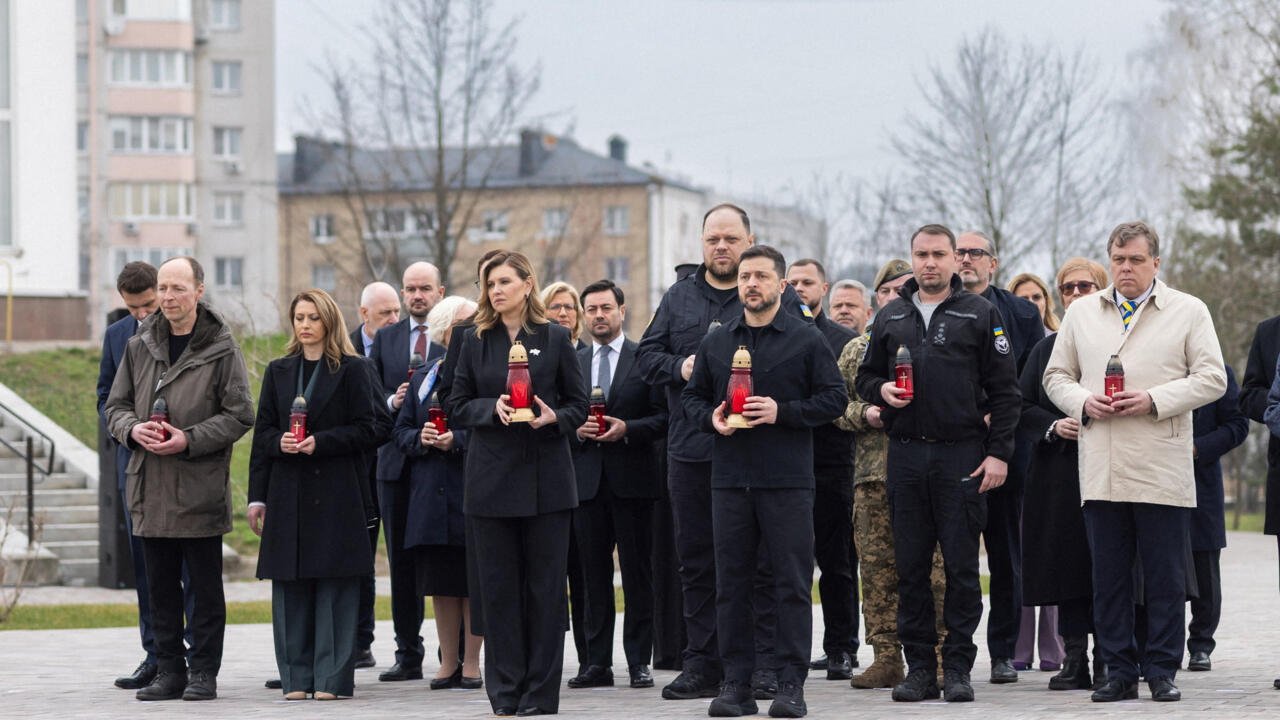
European Union diplomats traveled to Kyiv on Wednesday to mark the fourth anniversary of the Bucha massacre. These officials gathered to condemn the atrocities committed by Russian forces during the initial invasion of Ukraine. The visit highlights the ongoing geopolitical tensions that continue to destabilize the Eastern European region significantly.
Key Details
High-ranking officials from the European Union arrived in the Ukrainian capital to witness the commemoration ceremony. They emphasized that the crimes in the town of Bucha were not isolated incidents during the ongoing conflict. The delegation sought to reinforce diplomatic support for Kyiv amidst the prolonged war against Moscow today.
"These crimes were not isolated as Russia's invasion of Ukraine continues," said the EU foreign affairs commissioner.
The statement underscored the systematic nature of the violence reported by independent international investigators. Officials argued that acknowledging these patterns is essential for maintaining international legal standards and justice.
What This Means
The geopolitical ramifications of the anniversary extend beyond symbolic remembrance into strategic policy decisions globally. Sanctions imposed by Western nations aim to cripple the Russian war economy and limit further aggression on the ground. Economic pressure remains a primary tool for leveraging Moscow toward a negotiated settlement without immediate escalation.
Infrastructure damage across Ukraine has resulted in billions of dollars in reconstruction costs for the nation. This financial burden poses a significant challenge for the Ukrainian government in the coming years ahead. Recovery efforts rely heavily on continued funding from international partners and the European Union specifically.
Global energy markets remain volatile due to conflicts originating in the Black Sea region and surrounding areas. Disruptions to grain exports previously exacerbated food insecurity in multiple developing nations worldwide. These economic ripple effects demonstrate the interconnected nature of the regional instability affecting global supply chains.
Legal proceedings regarding the atrocities are ongoing within international judicial frameworks established by treaty. Evidence collected during the occupation is being prepared for potential war crimes trials in the near future. This legal pursuit aims to set a precedent for future conflicts in the region and beyond.
Future Implications
Diplomats plan to coordinate further aid packages to support Ukraine's defense capabilities against persistent threats. Continued monitoring of the conflict zone will ensure accountability for human rights violations persists over time. The international community watches closely for any shifts in Russian military tactics or strategic objectives.
Analysts suggest that the anniversary serves as a reminder of the high human cost of the ongoing war. Sustained attention from global leaders is required to prevent further escalation of hostilities and violence. The situation remains fluid as military operations continue across the Ukrainian frontier daily.