The European Union designated Iran’s Islamic Revolutionary Guard Corps (IRGC) as a terrorist organization on Thursday, citing the bloc’s response to the lethal repression of anti-government demonstrations within Iran. EU foreign policy chief Kaja Kallas stated that the foreign ministers took a decisive step, asserting that regimes killing thousands of their own people are engineering their own downfall.
Iran’s Foreign Ministry immediately rejected the EU’s classification, calling the decision illegal, political, and a violation of international law regarding Iran’s internal affairs. Tehran further asserted that it reserves the right to implement appropriate measures under international law to protect its sovereignty and national interests, holding the EU responsible for any ensuing consequences.
In parallel action, the European Council announced additional sanctions targeting fifteen individuals and six entities deemed responsible for serious human rights violations during the protest suppression. Targeted officials reportedly include Iran’s Interior Minister Eskandar Momeni and Prosecutor General Mohammad Movahedi-Azad, according to a council statement.
The IRGC, established following the 1979 Islamic Revolution, functions as an elite military branch directly accountable to Supreme Leader Ayatollah Ali Khamenei, overseeing key strategic assets like Iran’s missile programs.
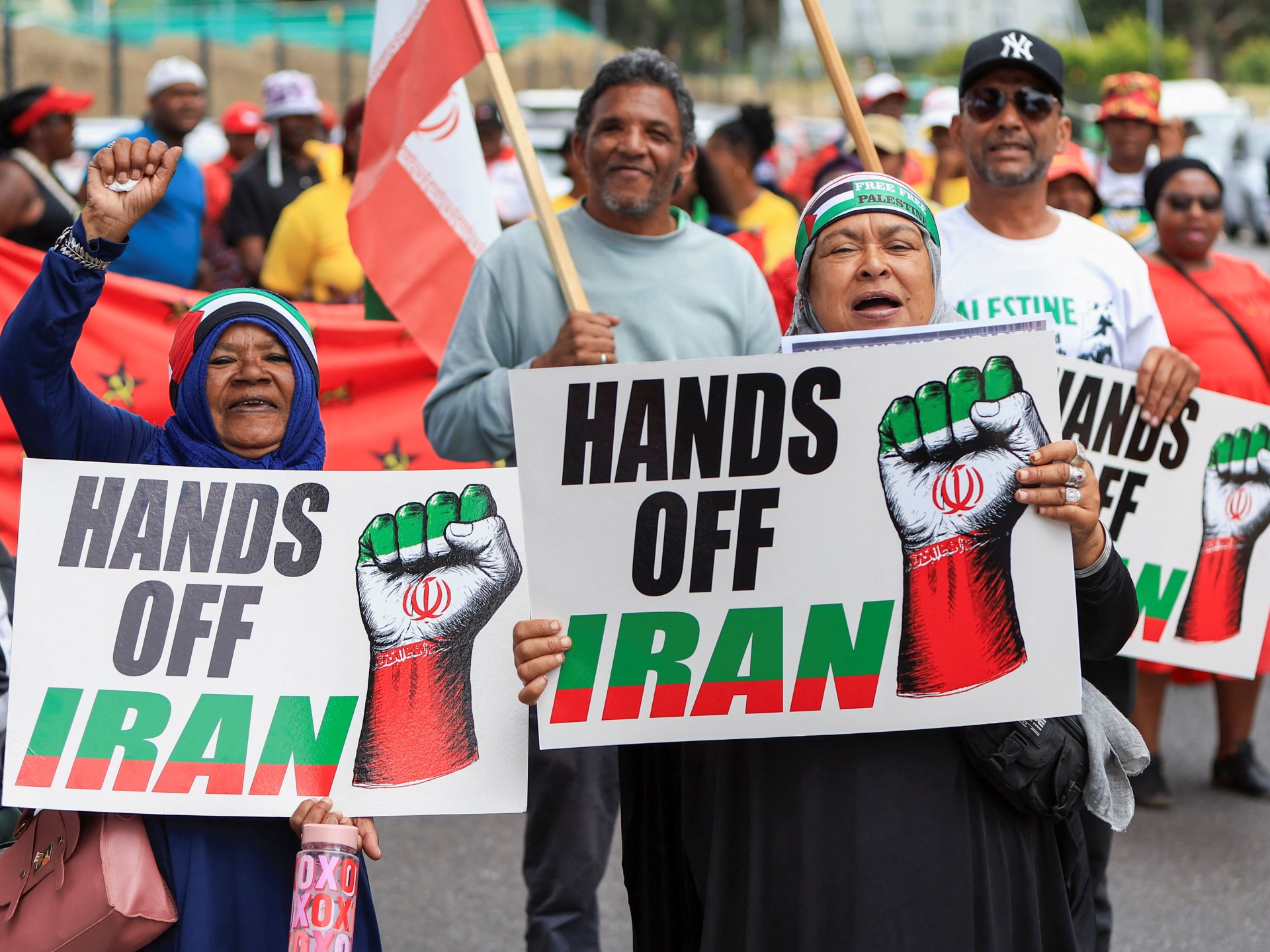
Iranian Foreign Minister Abbas Araghchi accused the EU of hypocrisy, criticizing what he termed “selective outrage” by focusing on Iran while allegedly taking no action concerning the conflict in Gaza. Araghchi argued that the EU’s stance damages its own economic interests, particularly concerning regional energy price stability should a wider conflict erupt.
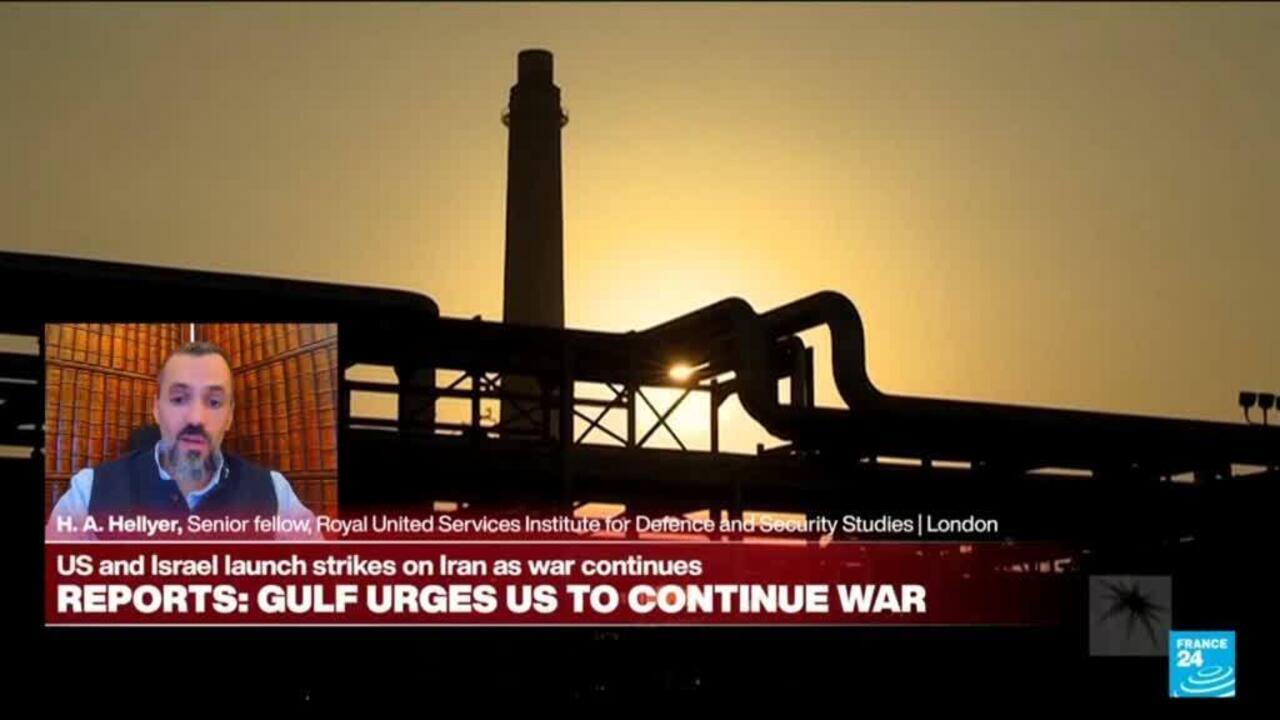
This escalation between Tehran and Brussels occurs amid rising geopolitical pressures, including repeated threats from the administration of US President Donald Trump regarding Iran’s nuclear activities and the domestic unrest. Trump recently warned of deploying a substantial US military force near Iran, conditioning de-escalation on commencing nuclear talks.
Iranian military leadership denounced the IRGC listing as illogical and an unmistakable sign of hostility toward the nation’s autonomy. Senior Iranian officials confirmed readiness to respond “immediately and powerfully” to any potential US military action, rejecting negotiations conducted under duress.
Broader implications point toward a significant deterioration of diplomatic and economic ties between the EU and Iran, potentially complicating ongoing efforts to manage regional security dynamics and energy flows. The EU’s move signals a strong political commitment to prioritizing human rights concerns over maintaining open communication channels with Tehran.