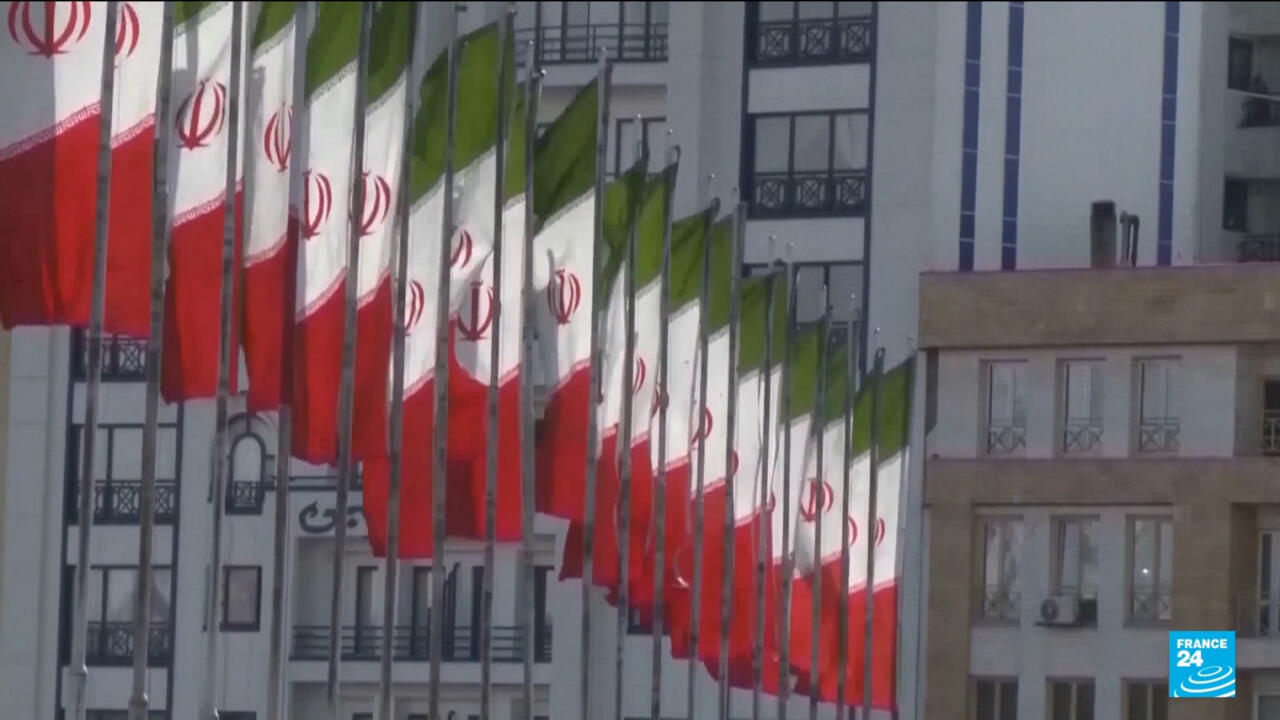
The European Union formally designated Iran’s Revolutionary Guards as a terrorist organization, a decision that analysts suggest risks an irreversible rupture in existing state-to-state diplomatic foundations. This action, reported on January twenty-ninth, places the EU in direct alignment with Washington’s existing designation of the IRGC.
Ali Vaez, International Crisis Group's Iran Project Director, noted that such a designation crosses a significant 'red line' for the Islamic Republic. The move precipitates a severe diplomatic chill, potentially limiting avenues for de-escalation between Brussels and Tehran.
While the geopolitical implications are significant, the immediate economic fallout remains a key concern for European capitals. Trade relations and energy security discussions, already strained, face heightened uncertainty following the ruling.
Observers question whether this Western coercion will incite the Iranian regime to further suppress internal dissent, as suggested by Vaez in commentary to France 24. The alignment of EU and US policy suggests a unified, hardline approach toward Tehran's regional activities.
The designation specifically targets the IRGC's broader structure, encompassing its political and economic influence alongside its military wing. This broad scope signals a comprehensive re-evaluation of engagement parameters by European member states.
Furthermore, reports indicate that the United States is currently weighing various military options in parallel with the EU's diplomatic move. This convergence of pressure—diplomatic, economic, and military posture—points toward a potential existential clash rather than mere policy adjustment.
The immediate next steps involve monitoring Tehran's official response and assessing whether any existing diplomatic backchannels remain viable. The trajectory now suggests a period of heightened geopolitical risk assessment across Western capitals.