The European Union officially designated Iran’s Islamic Revolutionary Guard Corps (IRGC) as a terrorist organization this week, following intense internal deliberation among member states. This action places the powerful paramilitary force under restrictive EU sanctions related to terrorism financing and operations. The decision comes amidst escalating international scrutiny over Tehran's actions both domestically and abroad.
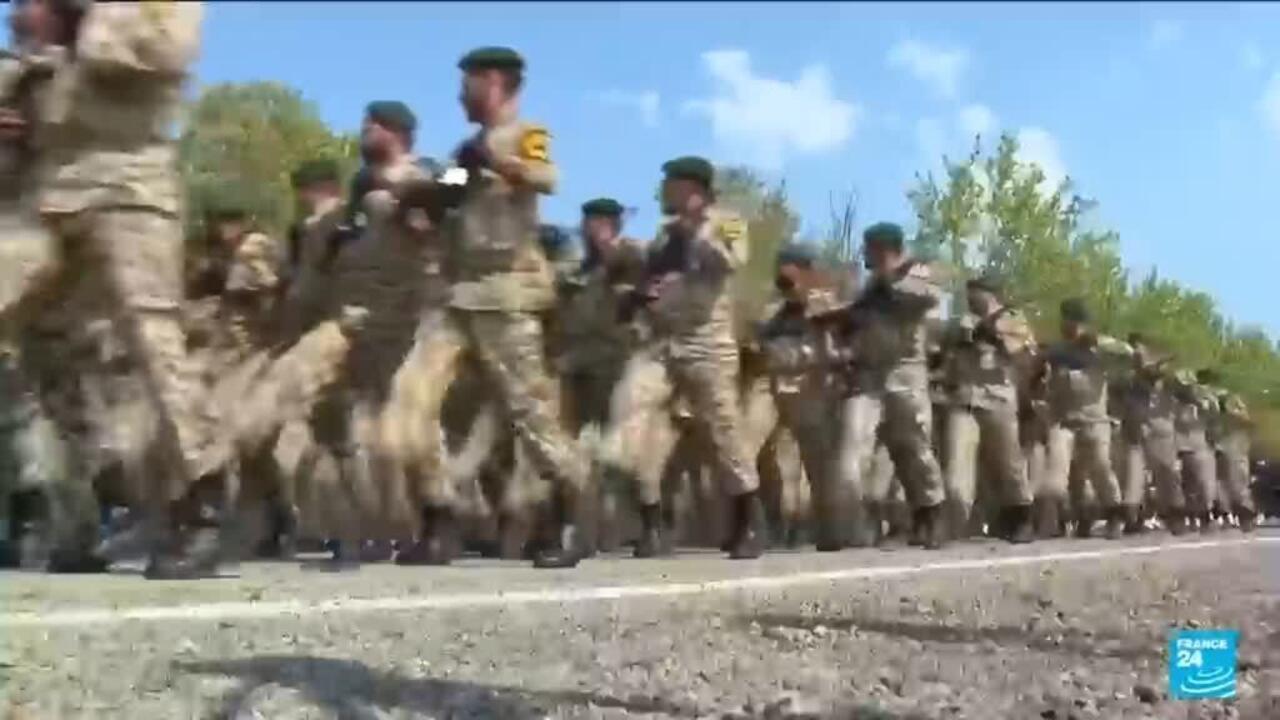
The IRGC, established after the 1979 Islamic Revolution, functions as a parallel military structure controlling significant portions of Iran’s defense and security apparatus. According to reports detailing the EU's rationale, the designation stems from the IRGC's involvement in violent crackdowns on domestic protests and alleged involvement in destabilizing regional activities. This designation moves beyond existing sanctions related to human rights abuses.
Economically, the IRGC represents a major entity within the Islamic Republic, controlling vast commercial interests spanning sectors from construction to energy. Analysts suggest that the EU listing will complicate the group's ability to engage in international finance, potentially tightening the economic constraints on Tehran. This financial squeeze aims to curtail the Guard's operational budget and influence.
Geopolitically, the EU's decision aligns the bloc more closely with the United States, which has designated the IRGC as a Foreign Terrorist Organization (FTO) since 2019. This convergence of policy signals a hardening stance toward the Iranian regime by key Western powers. However, some member states reportedly expressed reservations regarding the potential for immediate, severe diplomatic fallout.
Domestically, the IRGC retains primary responsibility for internal security and the suppression of dissent, as evidenced during recent widespread demonstrations across Iran. The organization acts as the ultimate guarantor of the ruling clerical establishment, ensuring compliance through its intelligence wings and Basij militia components. This internal security role is central to the regime's survival strategy.
The designation triggers asset freezes and prohibitions on providing funds or economic resources to the listed entity within EU jurisdiction. While the EU has not yet detailed secondary sanctions mirroring those imposed by Washington, the primary effect is signaling a severe diplomatic downgrade. The move represents a significant regulatory hurdle for any European entity dealing with individuals or subsidiaries linked to the Guard.
Looking ahead, the immediate focus will be on how Tehran responds to the EU's move and whether this will influence ongoing negotiations concerning regional security architecture. The EU's action solidifies the IRGC’s status as a key international actor subject to coordinated punitive measures, impacting future multilateral engagement with Iran.