The European Union formally designated Iran's powerful Islamic Revolutionary Guard Corps (IRGC) as a terrorist organization this week, a significant policy shift driven by the bloc's condemnation of Tehran's lethal crackdown on widespread domestic protests. The decision, confirmed by the EU’s High Representative for Foreign Affairs, Kaja Kallas, places the IRGC in the same legal category as groups such as Al-Qaeda and ISIS.
Kallas stated unequivocally that "Repression cannot go unanswered," emphasizing that any regime employing lethal force against its own citizenry forfeits international legitimacy. The designation subjects the IRGC to enhanced sanctions and asset freezes within the EU framework, significantly restricting the financial and logistical avenues available to the paramilitary force.
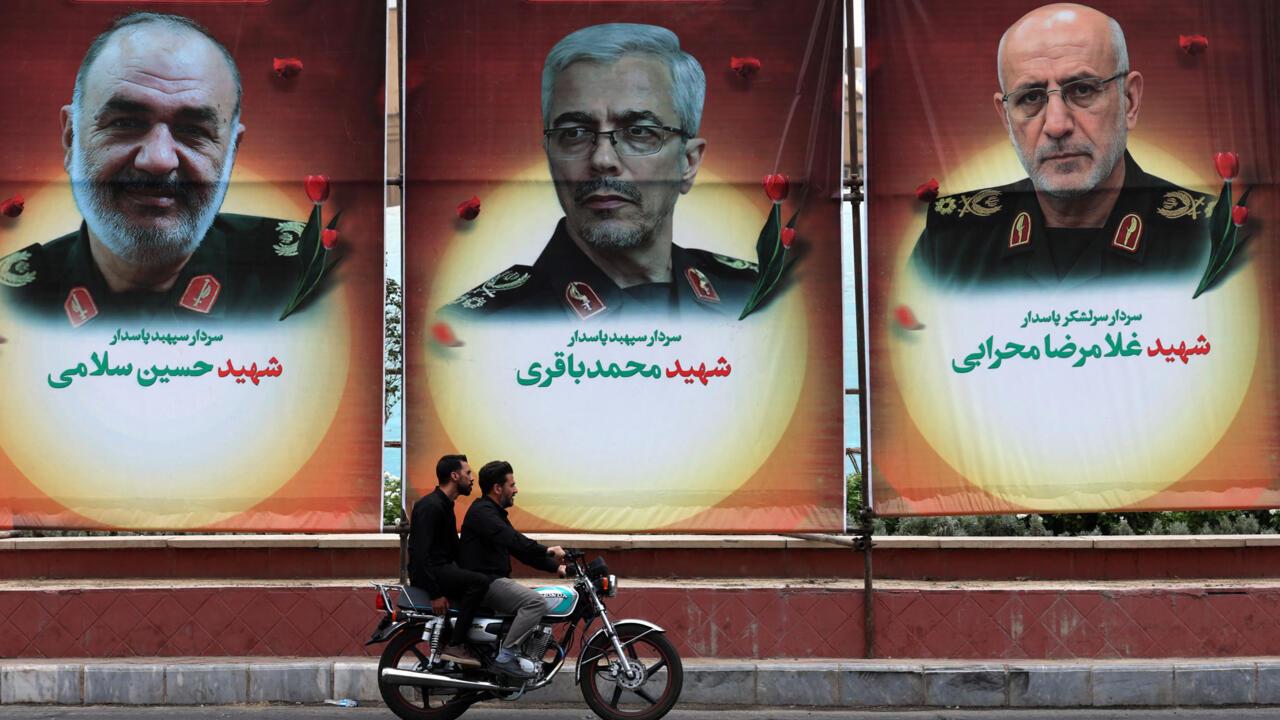
This action follows the imposition of sanctions on fifteen senior Iranian officials, including top IRGC commanders, directly linking them to the violent response against demonstrators. While the move is largely viewed as symbolic in terms of immediate operational impact—given that the IRGC structure was already heavily targeted—it represents a major political and rhetorical escalation by Brussels.
Geopolitically, the EU’s decision further isolates the Islamic Republic, reinforcing the stance taken by Washington and Ottawa, which have already placed the IRGC on their respective terrorist lists. This unified Western front comes at a precarious time, as regional tensions remain elevated following earlier threats of military action from the United States concerning the ongoing instability.
The protests, initially sparked by economic grievances related to the cost of living, quickly transformed into a broad challenge to the theocratic structure, met with a response characterized by extensive use of force and a near-total internet blackout to obscure the extent of the violence.
Iran has previously signaled its disapproval of the EU considering such a punitive measure. While official commentary from Tehran remains pending, the designation is expected to further sour diplomatic relations, potentially impacting ongoing negotiations or indirect channels of communication between Brussels and Tehran.
This development underscores a critical juncture in international engagement with Iran, moving the relationship firmly into the domain of security and counter-terrorism policy rather than purely diplomatic engagement. The long-term economic ramifications for any European entity engaging with IRGC-affiliated sectors remain substantial.
Source: Adapted from reporting by France 24, AFP, and Reuters.