The European Union designated Iran’s Islamic Revolutionary Guard Corps (IRGC) a terrorist organization, as confirmed by the bloc’s top diplomat on Thursday, citing the deadly crackdown on domestic unrest. This decision follows months of escalating political tension between Brussels and Tehran over human rights abuses during the protests.
EU foreign ministers reached the agreement to designate the paramilitary force after reviewing the violent suppression of demonstrations that began late last year, according to reports. Foreign Policy Chief Kaja Kallas stated on social media that repression against citizens cannot go unanswered, asserting that regimes killing thousands face their own demise.
The designation formally aligns the IRGC with entities already listed by the EU, such as Al-Qaeda and Daesh, according to Kallas. She argued that any entity acting as a terrorist organization should be treated as such under international law.
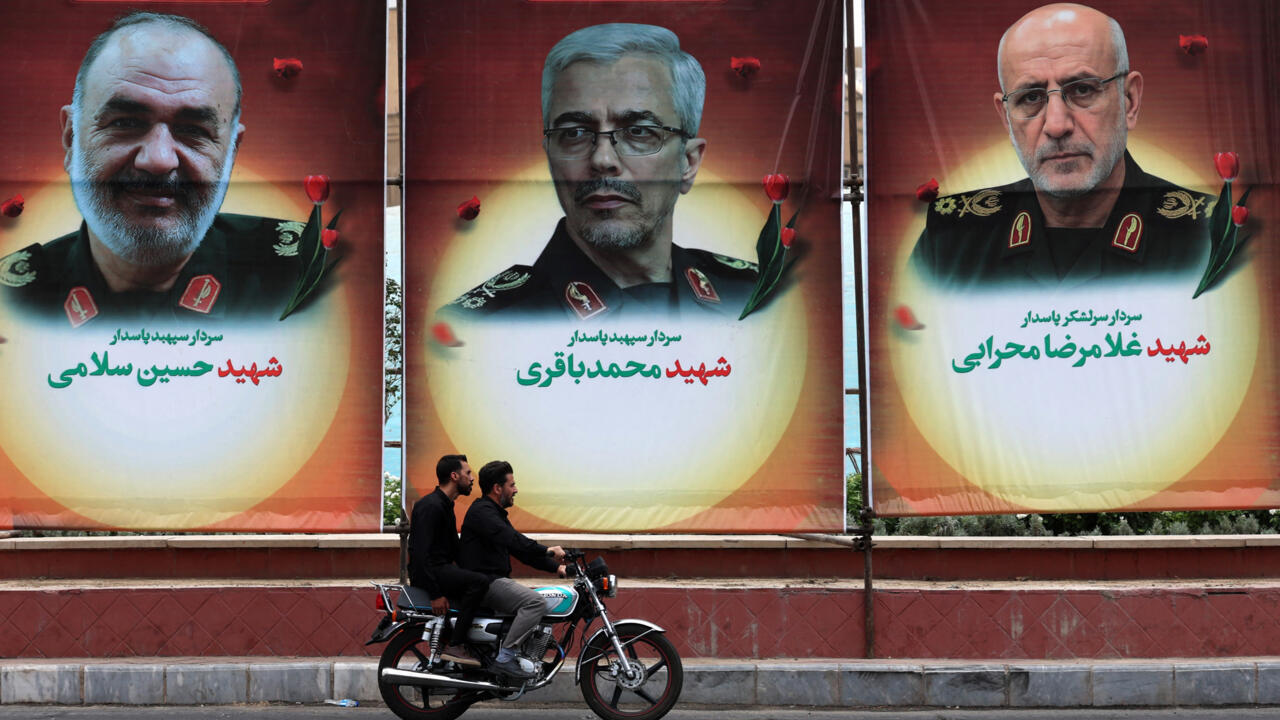
In conjunction with the listing, the 27-nation bloc also sanctioned fifteen Iranian officials, including senior IRGC commanders, over the use of force against demonstrators. These measures build upon existing international sanctions already imposed by nations including the United States and Canada, which previously designated the Guard as a terrorist group.
The nationwide protests, which reportedly began over rising living costs on December 28, triggered a severe governmental response, the scale of which became clearer after an extended nationwide internet blackout. The resulting casualty figures have drawn significant international condemnation.
While the immediate economic effect of the EU's designation remains largely symbolic, it tightens the diplomatic noose around Tehran. This action occurs as the Islamic Republic faces heightened geopolitical risks, including threats of military escalation from the US.
Iran has not issued an immediate official statement regarding the EU's listing, though it previously criticized Europe for considering such punitive measures. The focus now shifts to how Tehran will respond to this significant diplomatic isolation from a major trading partner bloc.
Broader international attention remains fixed on the strategic positioning of US naval assets in the Middle East, underscoring the volatile security environment surrounding the Gulf region. Analysts suggest the designation increases the risk profile for any European entity engaging with the IRGC.