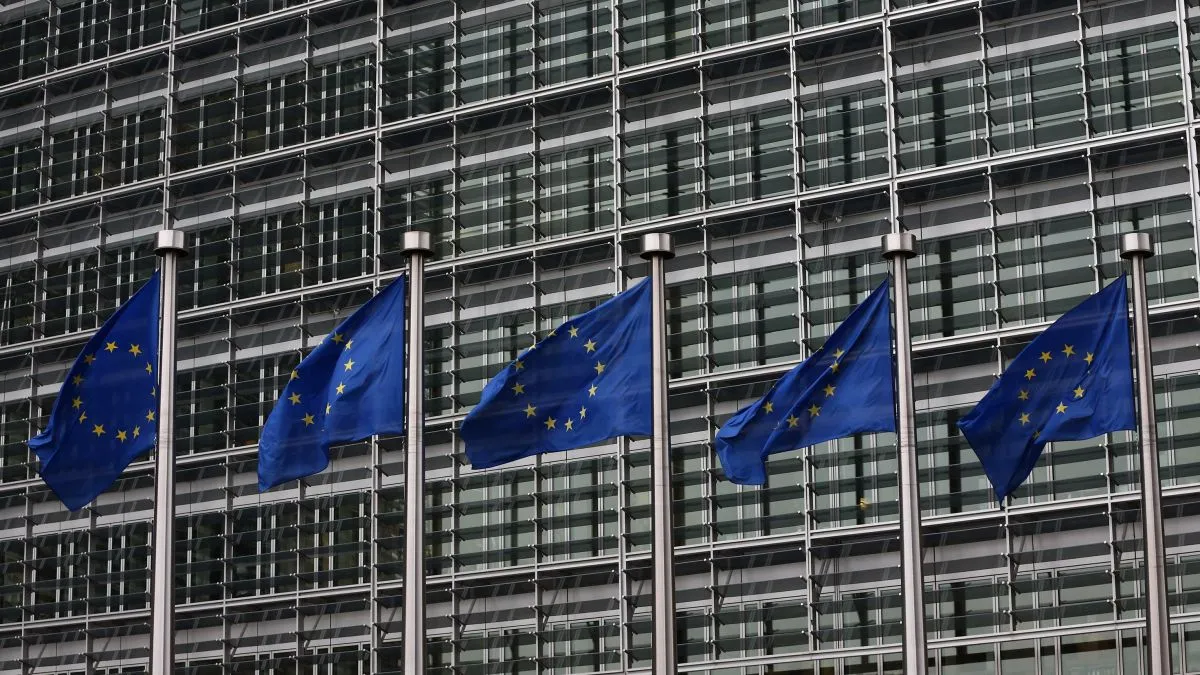
The European Union is considering the designation of Iran's Islamic Revolutionary Guard Corps (IRGC) as a terrorist organization, according to statements made by EU High Representative for Foreign Affairs and Security Policy Josep Borrell ahead of a Foreign Affairs Council meeting in Brussels. This potential blacklisting is framed as a direct response to the Iranian regime's ongoing violence against domestic protesters, as reported by Ukrainian news agency Ukrinform.
Designating the IRGC would place the powerful military and political body on par with established terrorist entities such as Al-Qaeda and Hamas within the EU's legal framework. Borrell indicated this action would underscore the EU's serious stance regarding the regime's repressive actions and the use of force against its own citizens. The move reflects growing frustration within Brussels over Tehran's internal crackdown.
Furthermore, the EU intends to impose additional sanctions specifically targeting Iranian officials implicated in the violence directed at demonstrators. These targeted measures aim to increase pressure on key figures within the regime responsible for human rights abuses, according to sources familiar with the discussions.
Despite the anticipated punitive measures, diplomatic channels between the EU and Tehran are expected to remain open. This dual approach suggests a calculated strategy by Brussels to simultaneously condemn actions while retaining avenues for essential dialogue amid significant geopolitical strain.
This development occurs amidst a complex international environment involving Iran, compounded by heightened rhetoric and military posturing from the United States in the broader Middle East region. The US has recently announced increased military deployments near the Gulf, further escalating regional risk.
The IRGC's designation would have profound economic and financial consequences, potentially impacting any remaining trade or investment flows between European entities and entities connected to the organization.
Geopolitically, this decision solidifies a firmer alignment between the EU and Western partners regarding the handling of the Iranian government's foreign and domestic policies. The final decision on the listing is anticipated following ministerial deliberations.