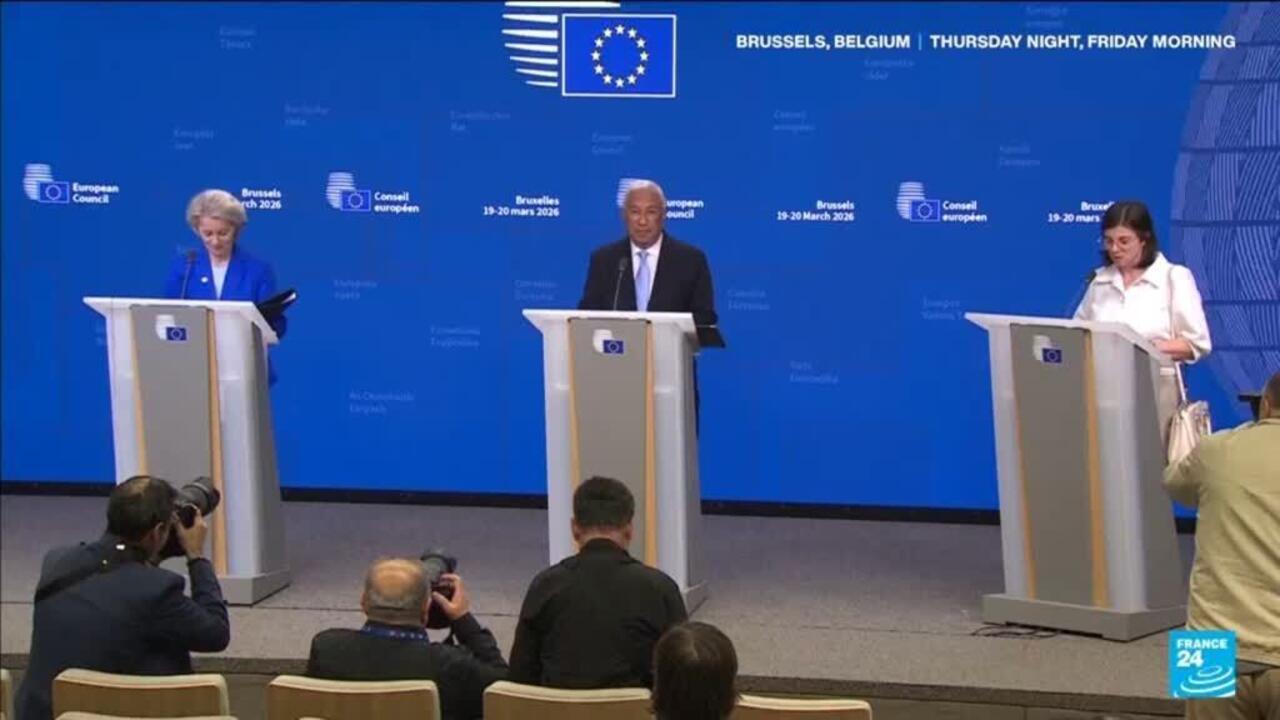
European Union leaders convened in Brussels on Wednesday to address the escalating energy crisis resulting from the ongoing conflict in the Middle East. Officials discussed immediate fiscal measures aimed at curbing the surge in electricity prices for consumers and businesses alike. The summit focused on mitigating economic damage caused by strikes on regional energy infrastructure by Iran and Israel. This urgent situation has forced the entire bloc to act quickly to prevent a deep recession in the critical manufacturing sector across multiple member states. The meeting underscores the fragility of global supply networks during periods of intense conflict.
Proposals under review involve lifting caps on state aid for energy-intensive industrial sectors across the bloc. Member states would also reduce taxes on electricity generation to lower operational costs for heavy manufacturers. These adjustments come as prices continue to skyrocket following extensive damage to pipelines and processing facilities. The move seeks to stabilize production lines that rely heavily on affordable power supply for continuous operations. This strategy aims to prevent factory closures that could lead to job losses in key regions.
According to a report by France24, the situation has intensified significantly in recent days. Regional strikes have disrupted supply chains, forcing utilities to import expensive alternatives to maintain grid stability. The European Commission stated that without intervention, inflation could reach levels not seen since the previous global energy shocks. Financial markets reacted negatively to the news of potential supply shortages in the region. Energy analysts predict volatility will persist until diplomatic efforts stabilize the region.
Industry representatives welcome the potential relief but warn that structural changes are necessary for long-term security. One unnamed official told reporters that temporary tax cuts might not address the root causes of volatility. The group emphasized the need for diversified energy sources to reduce reliance on unstable regions. Trade unions are calling for guarantees that workers will not face layoffs due to the economic strain.
This development marks a critical shift in European economic policy amid heightened geopolitical tensions. Previous energy subsidies were designed for stability, but current market conditions require more aggressive fiscal responses. Analysts note that the speed of this decision reflects the urgency of the industrial sector. The policy shift suggests a prioritization of immediate economic survival over long-term budget discipline.
Broader implications extend beyond the European continent as global trade partners monitor the situation closely. Higher energy costs often translate to increased prices for consumer goods in international markets. European exporters face pressure to maintain competitiveness while managing rising domestic input costs. Nations in the Global South may see increased tariffs on their exports to Europe. This dynamic creates a complex challenge for international economic relations and trade agreements.
Implementation timelines remain uncertain as member states must approve the proposed tax adjustments. The European Council will likely vote on the specific measures over the coming weeks. Legal challenges regarding state aid rules could delay the full rollout of the relief package. National parliaments will need to ratify changes that affect their sovereignty over taxation systems. The legislative process involves complex negotiations between national and supranational authorities.
Market watchers will track how these specific policies affect the European green transition goals and sustainability commitments. Critics argue that subsidizing fossil fuel usage contradicts climate targets set for the decade ahead. Officials maintain that short-term economic stability is a prerequisite for achieving long-term environmental objectives. Future reports will indicate whether this compromise holds or if stricter regulations return. Investors are closely watching for signs of further escalation that could drive costs even higher.