The European Union officially designated the Islamic Revolutionary Guard Corps (IRGC) as a terrorist entity, according to reports following a meeting of EU foreign ministers. This high-stakes decision formalizes the diplomatic rift between Brussels and Tehran, escalating tensions over human rights abuses and alleged destabilization activities in the region. The move was preceded by intense internal deliberations among the twenty-seven member states.
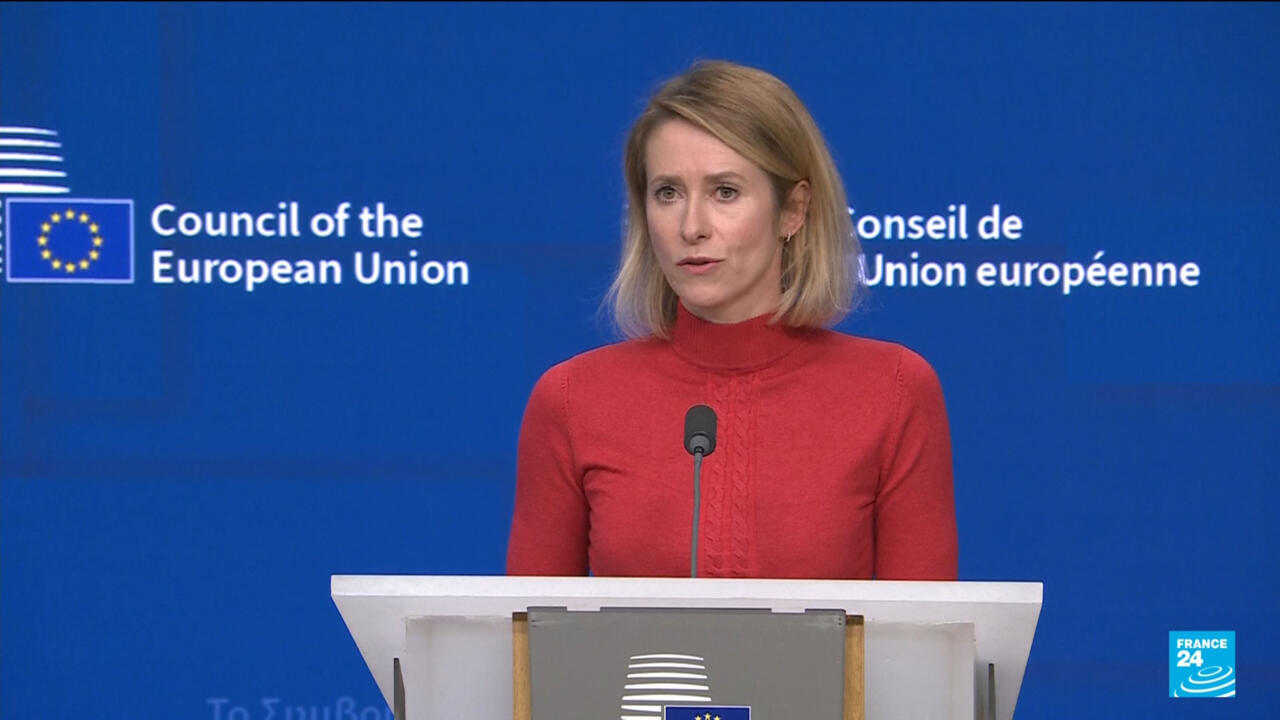
The designation means that any assets belonging to the IRGC held within EU jurisdictions will be frozen, and EU citizens and entities are prohibited from providing financial support to the organization. Officials, including European Commissioner for Foreign Affairs and Security Policy, addressed journalists regarding the implementation details of this new restrictive measure. This action goes beyond previous sanctions targeting specific IRGC commanders or associated entities.
Sources indicated that the listing was driven by concerns over the IRGC's alleged role in suppressing domestic protests within Iran and its involvement in supporting proxy groups across the Middle East. The European Parliament had previously passed non-binding resolutions urging the Council to take this definitive step against the military organization. This progression reflects a shift toward a more assertive foreign policy posture by the bloc concerning Iranian state actions.
Analysts suggest the immediate economic impact on direct EU-Iran trade will be limited, given that most significant commercial interactions were already curtailed by existing U.S. secondary sanctions. However, the designation creates a significantly more restrictive environment for any European firms contemplating future investment or engagement with Iranian sectors even tangentially linked to the Guard Corps.
Geopolitically, this placing on the terrorist list signals a clear alignment, at least on this specific issue, with the positions held by Washington and several Gulf states regarding the IRGC's regional influence. The Iranian government has consistently rejected such characterizations, labeling such actions as baseless interference in its sovereign affairs.
What remains to be seen is how Tehran will formally respond to this significant diplomatic downgrade, particularly concerning consular access or negotiations on existing agreements. European capitals are now preparing for potential retaliatory measures from Tehran, which could target diplomatic personnel or commercial interests within the Middle East.
This development underscores the growing international consensus regarding the IRGC's extraterritorial activities and its dual role as both a branch of the Iranian military and a powerful economic actor. For the EU, maintaining unity on implementing these strict measures will be critical for the policy's long-term effectiveness.