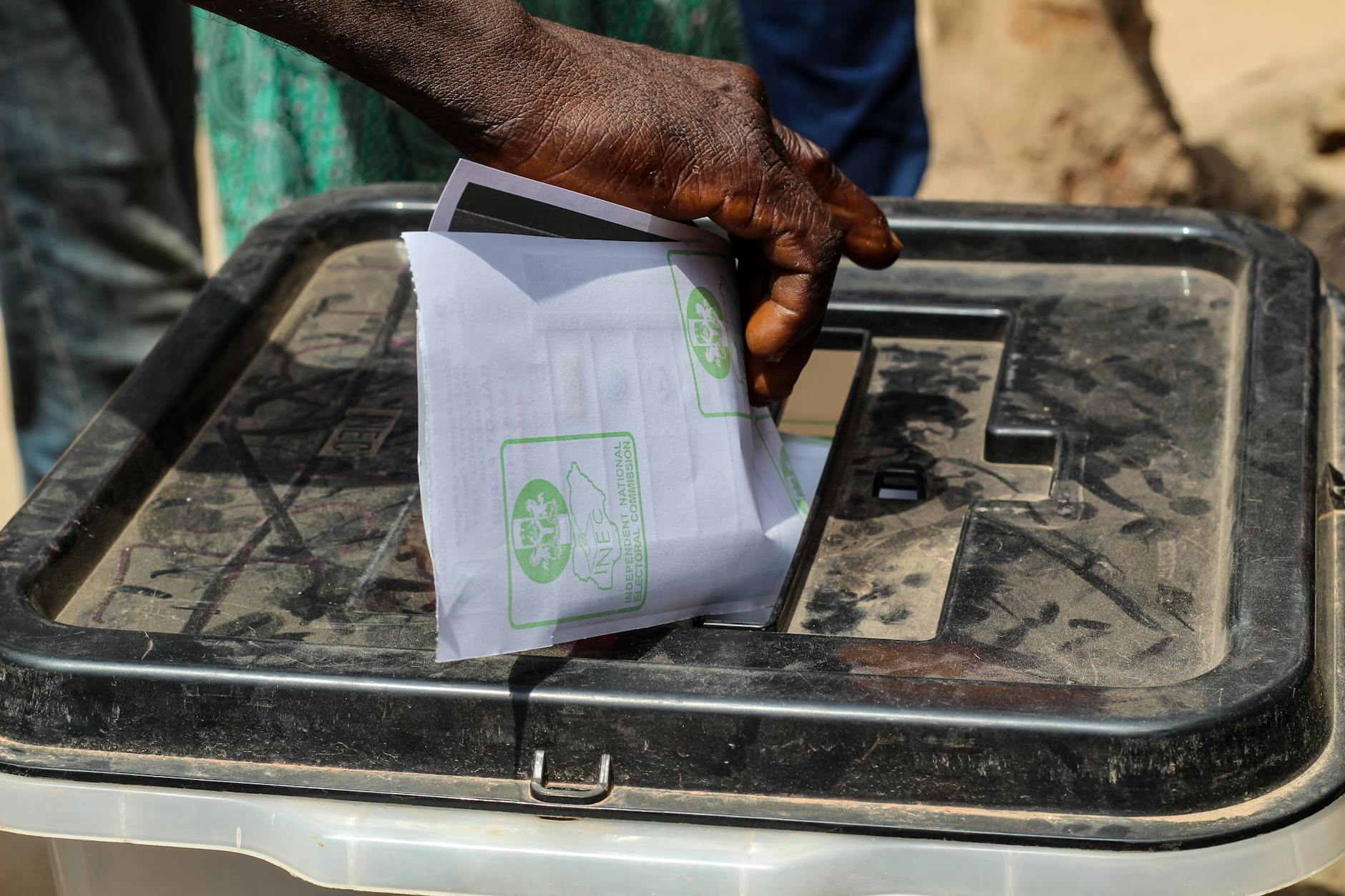
Ethiopians went to the polls this week under a cloud of controversy as 147 constituencies remained excluded from the electoral process. The move has prompted analysts to question the democratic integrity of the vote and the potential for further political consolidation by the government.
According to France 24, the exclusion of voters in the Tigray, Amhara, and Oromia regions highlights deep-seated tensions within the country. While the government maintains a narrative of stability and progress, observers argue that the geographic gaps in the voting process undermine the legitimacy of the results.
Jervin Naidoo, a political analyst at Oxford Economics Africa, told the outlet that while voting has proceeded in many parts of Ethiopia, the scale of the exclusion is a serious concern. "It’s a big problem" that "hurts the government's legitimacy," Naidoo stated during a recent appearance on France 24’s Spotlight program.
Economic promise versus political risk
Despite the electoral friction, Ethiopia continues to draw attention for its significant economic potential. Naidoo pointed to the Grand Ethiopian Renaissance Dam (GERD) as a landmark project that serves as a vital piece of infrastructure not only for the nation but for the broader African continent.
However, the analyst described a nation caught between growth and internal instability. He noted that while there are "underlying green shoots" in the economy that attract foreign investors, the government is simultaneously pursuing a path of increased political centralization.
France 24 reported that these trends are causing rising feelings of exclusion among key ethnic groups. Looking ahead, the outlet suggested that if Prime Minister Abiy Ahmed secures another landslide victory, he will likely move to further consolidate his control.
Geopolitical risks also remain a factor. Naidoo warned that Ethiopia’s pursuit of maritime access could become a destabilizing objective, potentially escalating tensions throughout the Horn of Africa. The combination of centralized power and regional ambitions leaves the country facing significant hurdles in its pursuit of long-term stability.