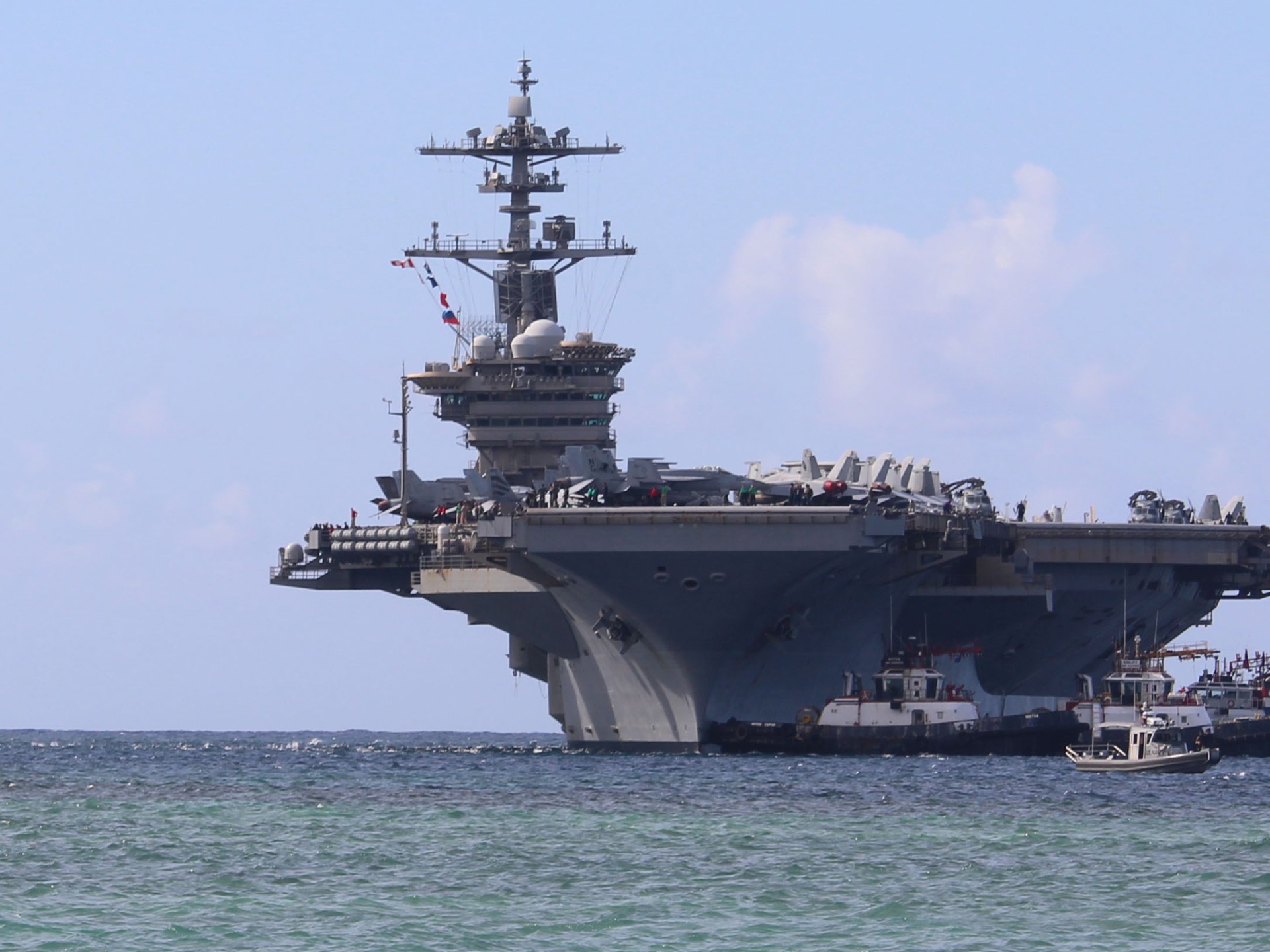
The prospect of renewed, sharp confrontation between Washington and Tehran has resurfaced as a central geopolitical concern following recent public statements from former President Donald Trump. Asserting a non-negotiable stance, Trump indicated that the United States is prepared to employ 'speed and violence' against Iran should diplomatic or political demands go unmet, drawing an explicit comparison to the intervention in Venezuela.
This rhetoric signals a dramatic potential shift in US foreign policy calculus should the political landscape change. For international markets, particularly those sensitive to Persian Gulf stability, such strong indications of military readiness translate directly into elevated risk premiums for crude oil and natural gas futures. The Strait of Hormuz, a critical choke point for global energy transit, remains central to these economic calculations.
Analysts note that this framing moves beyond standard deterrence rhetoric, suggesting a doctrine focused on rapid, overwhelming force application. The implication is a departure from prolonged engagements, favoring decisive, short-term military objectives, though the strategic efficacy and regional fallout of such an approach remain highly contentious.
Geopolitically, the threat immediately strains regional relationships. Gulf Cooperation Council (GCC) states, while often aligned with US interests against Iranian regional influence, maintain delicate balancing acts. An uncalculated US military move risks destabilizing the fragile security equilibrium they have painstakingly constructed through recent de-escalation efforts.
Furthermore, the comparison to Venezuela, while perhaps intended for domestic impact, raises questions about the intended scope and nature of any potential engagement. While Iran presents a vastly different military and geopolitical challenge than the South American nation, deploying similar language suggests a commitment to swift regime pressure, which could trigger asymmetric responses across the region.
Global powers, including Beijing and Moscow, are closely monitoring these developments. Any significant conflict in the Middle East directly impacts global supply chains and trade flows, compelling other major economic actors to hedge against potential supply shocks and diplomatic ruptures. The narrative arc of US-Iran relations remains a key indicator of broader East-West strategic competition.
In summary, Trump’s latest pronouncements serve as a potent reminder that US electoral politics continue to carry profound, immediate implications for global economic stability and regional security frameworks, placing Iran back under intense international scrutiny. (Source: Al Jazeera reporting and analysis)