A significant escalation in Sudan’s protracted civil conflict has been reported in South Kordofan state, where paramilitary Rapid Support Forces (RSF) allegedly launched a wave of drone attacks targeting the strategic town of Dilling. Local media sources indicate that multiple civilian and military sites, including the Sudanese army’s 54th Brigade headquarters and the central market, were struck by suicide drones.
This assault follows closely on the heels of the government-aligned Sudanese Armed Forces (SAF) successfully breaking a nearly two-year blockade on Dilling. The town’s control is critical, situated midway between the besieged state capital, Kadugli, and el-Obeid, a key logistical hub in North Kordofan that the RSF has sought to encircle. The RSF appears intent on re-establishing control or disrupting the newly secured supply routes.
The conflict, which pits the SAF against the RSF since April 2023, has metastasized into what the United Nations describes as the world’s largest displacement and hunger crisis. While the SAF maintains control of Dilling, the relentless drone activity underscores the RSF’s tactical shift toward aerial asymmetric warfare following its withdrawal from the capital, Khartoum, earlier in the year.
The humanitarian situation in the Kordofan region is deteriorating rapidly. The Sudan Doctors Network has issued an urgent appeal for the establishment of humanitarian corridors to deliver essential medical supplies, noting severe shortages of basic necessities like intravenous fluids. Famine conditions have already been confirmed in the nearby city of Kadugli, which has endured a prolonged siege.
Geographically, the RSF’s focus has consolidated on the Kordofan region and North Darfur, particularly following their seizure of el-Fasher in October. That takeover was reportedly followed by widespread atrocities, prompting the International Criminal Court (ICC) to launch a formal investigation into alleged war crimes committed by both factions.
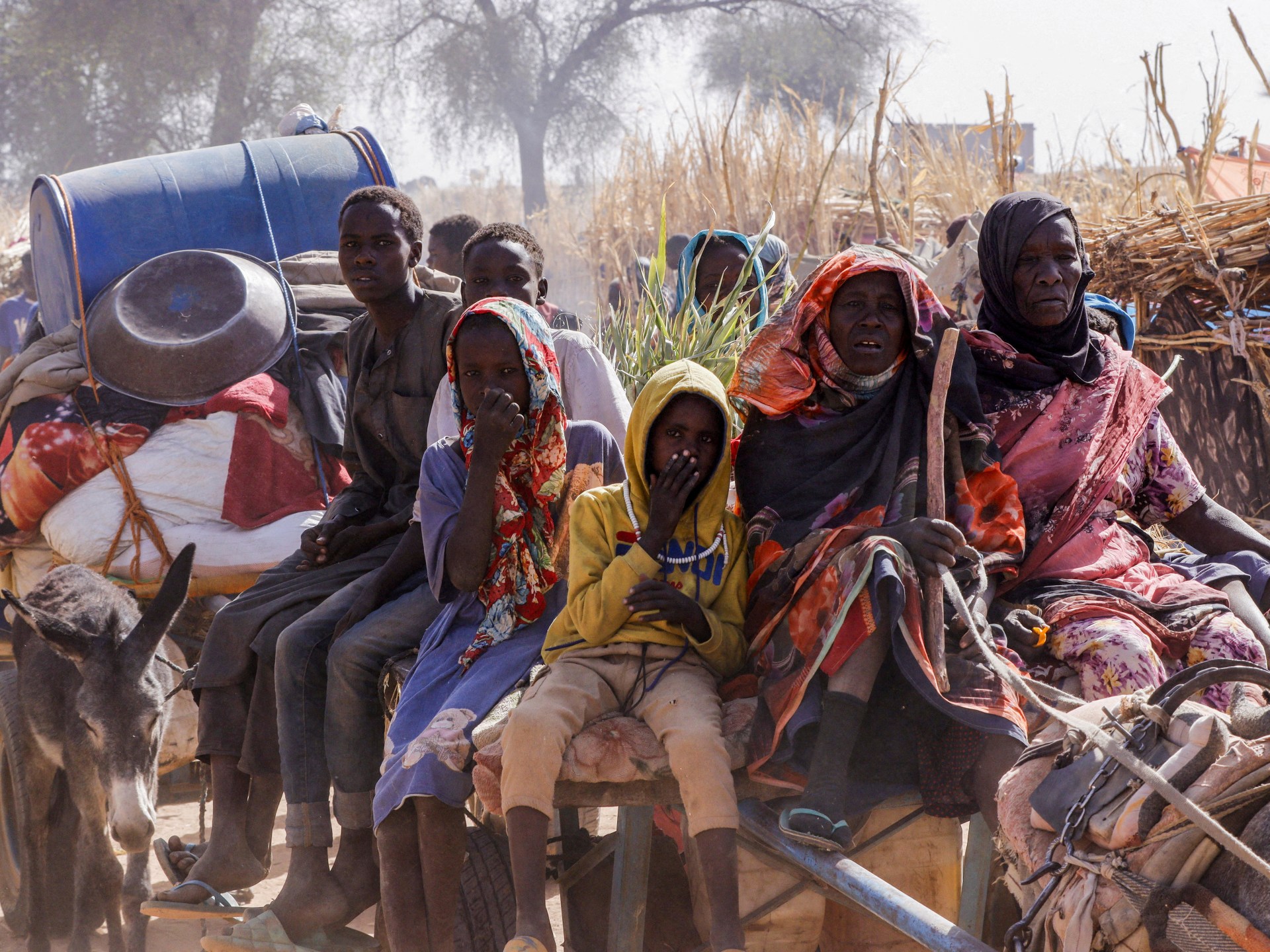
The instability continues to fuel mass migration. Latest UN figures suggest over 65,000 people have fled the Kordofan area since October alone, adding to the 14 million displaced globally by the war. Neighboring Chad is struggling to cope with the influx of refugees, many of whom face precarious conditions due to dwindling international humanitarian funding.
The renewed fighting over Dilling highlights the difficulty in achieving any localized ceasefire, as both sides view control over these logistical arteries as paramount to their long-term strategic objectives in Sudan’s interior. The international community faces mounting pressure to secure access for aid while navigating the complex military dynamics on the ground. (Source: Al Jazeera reporting and local media citations)