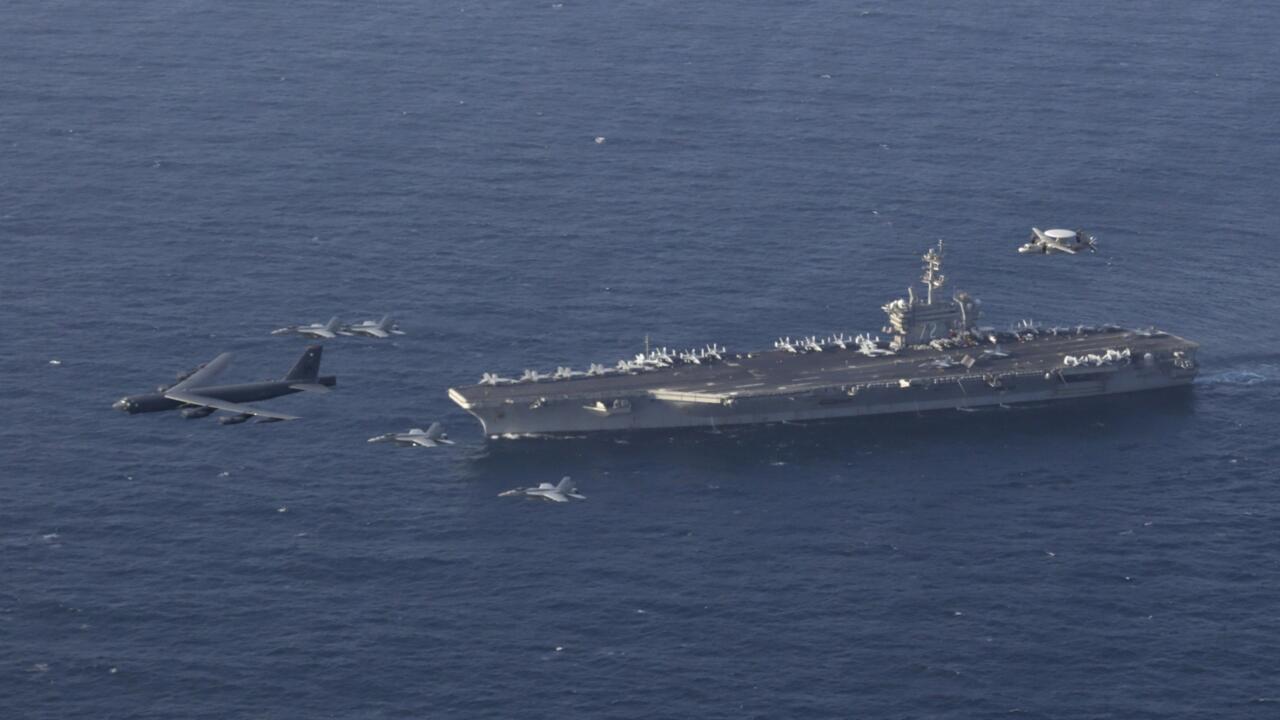
The strategic waters of the Middle East are witnessing a significant military reinforcement as the United States Navy confirms the repositioning of an additional warship to the volatile region. This move, confirmed by a U.S. official to Reuters, reflects a heightened state of alert among Western defense planners, directly correlated with escalating rhetoric between Washington and Tehran.
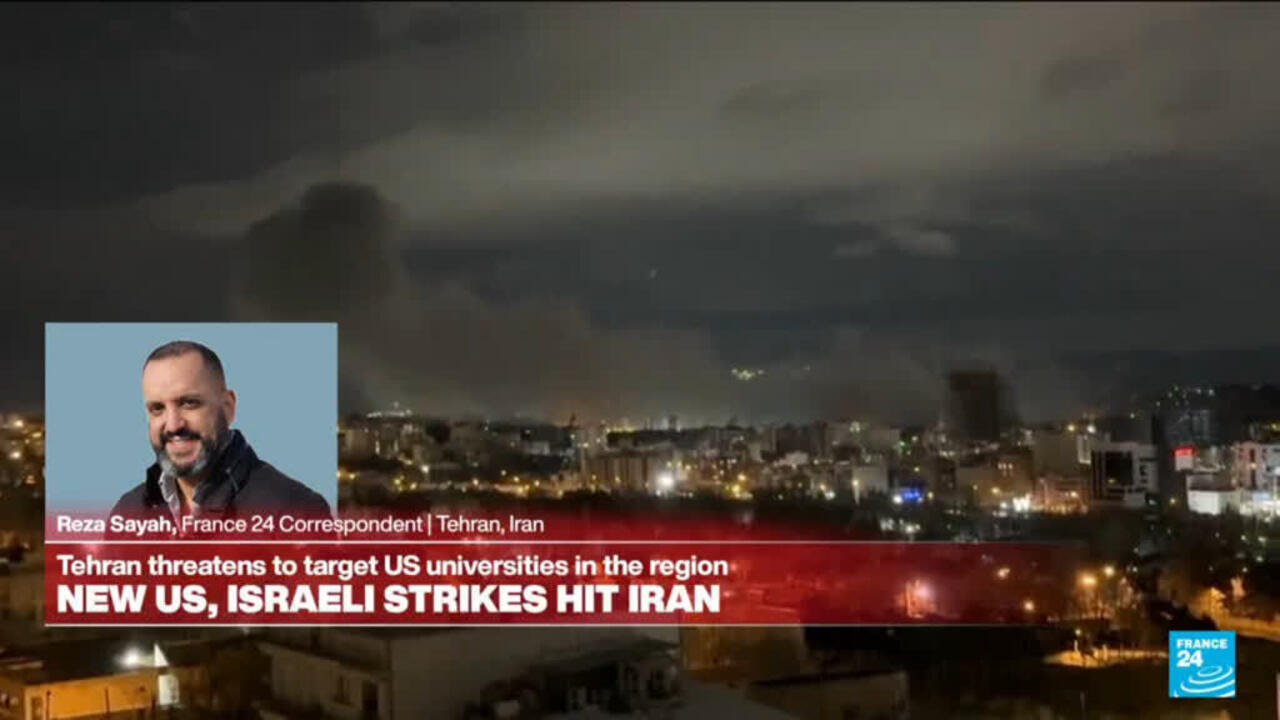
Iran has publicly articulated a posture of forceful response, suggesting the possibility of pre-emptive strikes should perceived threats materialize. These threats are not limited to regional proxies; Tehran has explicitly outlined the targeting of American military installations within the area and has reiterated existential warnings concerning Israel.
From a geopolitical perspective, this military buildup dramatically increases the risk profile for global energy transit routes and regional stability. The perception across capitals in the Levant and the Gulf Cooperation Council (GCC) nations is one of acute worry, as observers fear the threshold for kinetic engagement is lowering.
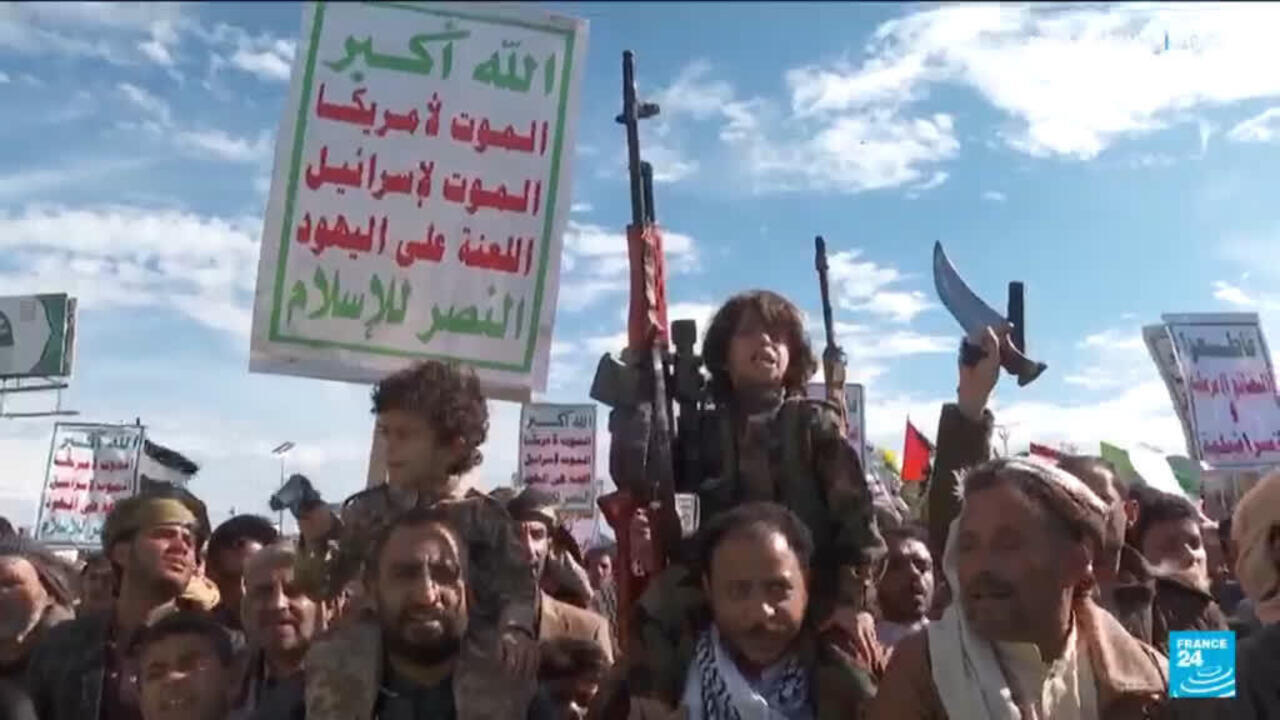
Regional perceptions, as detailed by reporting from France 24’s correspondents, indicate a pervasive anxiety that any localized incident could rapidly spiral into a wider, uncontrollable confrontation. The current military posture suggests that both Washington and Tehran are preparing contingency plans for worst-case scenarios.
The strategic calculus for the U.S. involves balancing deterrence against the imperative to avoid an unplanned, full-scale military engagement that could drag in allies and disrupt global markets. The introduction of further naval assets is a clear signaling mechanism intended to reinforce red lines.
Conversely, Iran's vocalization of potential broad targeting serves as a calculated deterrent, aimed at raising the political and economic cost of any direct U.S. strike action against Iranian assets or territory. This dynamic creates a highly precarious equilibrium.
For global markets, particularly the energy sector, the sustained tension represents a persistent overhang. Any actual kinetic exchange would almost certainly result in severe supply chain disruptions and a significant spike in crude oil benchmarks, given the centrality of the Strait of Hormuz to global trade flows.
In summary, the latest military movements and explicit threats paint a picture of a geopolitical flashpoint nearing critical mass. The coming weeks will be defined by intense diplomatic maneuvering aimed at de-escalation, though current military positioning suggests operational readiness on both sides. (Source: France 24 reporting context)