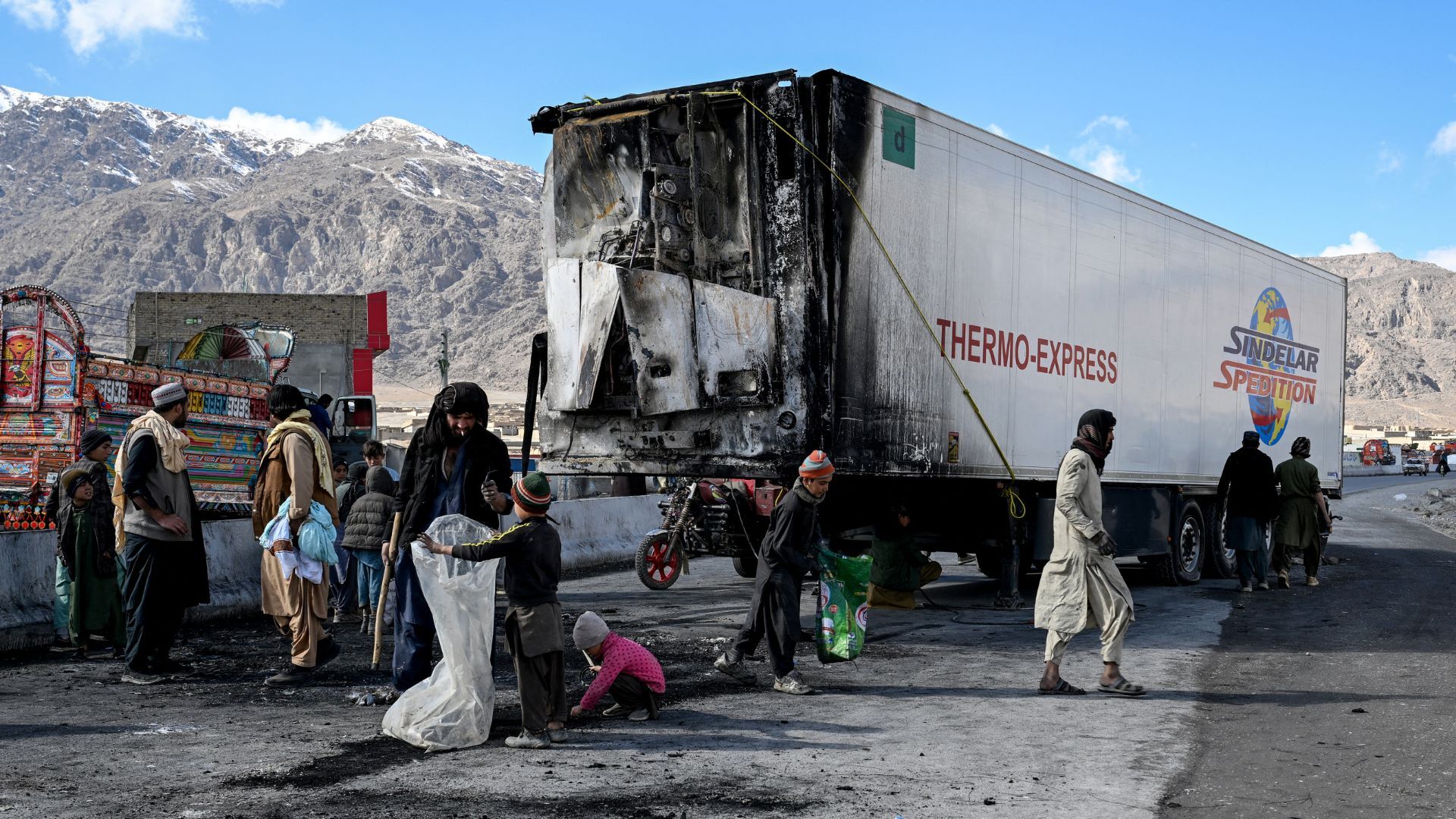
Coordinated militant assaults in Pakistan's southwestern Balochistan province have recently claimed dozens of lives, marking the deadliest escalation in years. The Balochistan Liberation Army (BLA) asserted responsibility for the violence, which targets state infrastructure and security forces across the resource-rich region. This resurgence underscores the persistence of the long-running separatist movement.
The BLA continues to demand full sovereignty for Balochistan, citing historical grievances and perceived economic exploitation of its natural resources by the central government. The recent attacks, numbering over one hundred fatalities this week according to some reports, signal a significant operational capability among the militant groups.
Islamabad maintains that external actors are fomenting instability within the province, deflecting direct responsibility for the internal security failures. This framing often complicates diplomatic efforts necessary to address the root causes fueling the insurgency, according to regional security analysts.
Experts observing the situation note that resolving the conflict requires more than just military responses, which historically have fueled further alienation. Raashid Wali Janjua, director of research at the Islamabad Policy Research Institute, noted the necessity of comprehensive political engagement.
Ayesha Siddiqa, a senior research fellow at King’s College London's Defence Studies Department, pointed to the need for a strategic reassessment of counter-insurgency efforts. The cycle of violence, often termed Pakistan’s forgotten war, demands sustained attention from the federal authorities.
The economic implications of sustained instability in Balochistan are considerable, given its strategic location bordering Iran and Afghanistan, and its reserves of natural gas and minerals. Continuous conflict impedes foreign investment and large-scale infrastructure development projects.
Ultimately, the trajectory of the conflict hinges on whether the Pakistani government pivots toward substantive political dialogue or continues relying primarily on kinetic operations. The international community monitors the situation for signs of a diplomatic opening versus further military hardening.