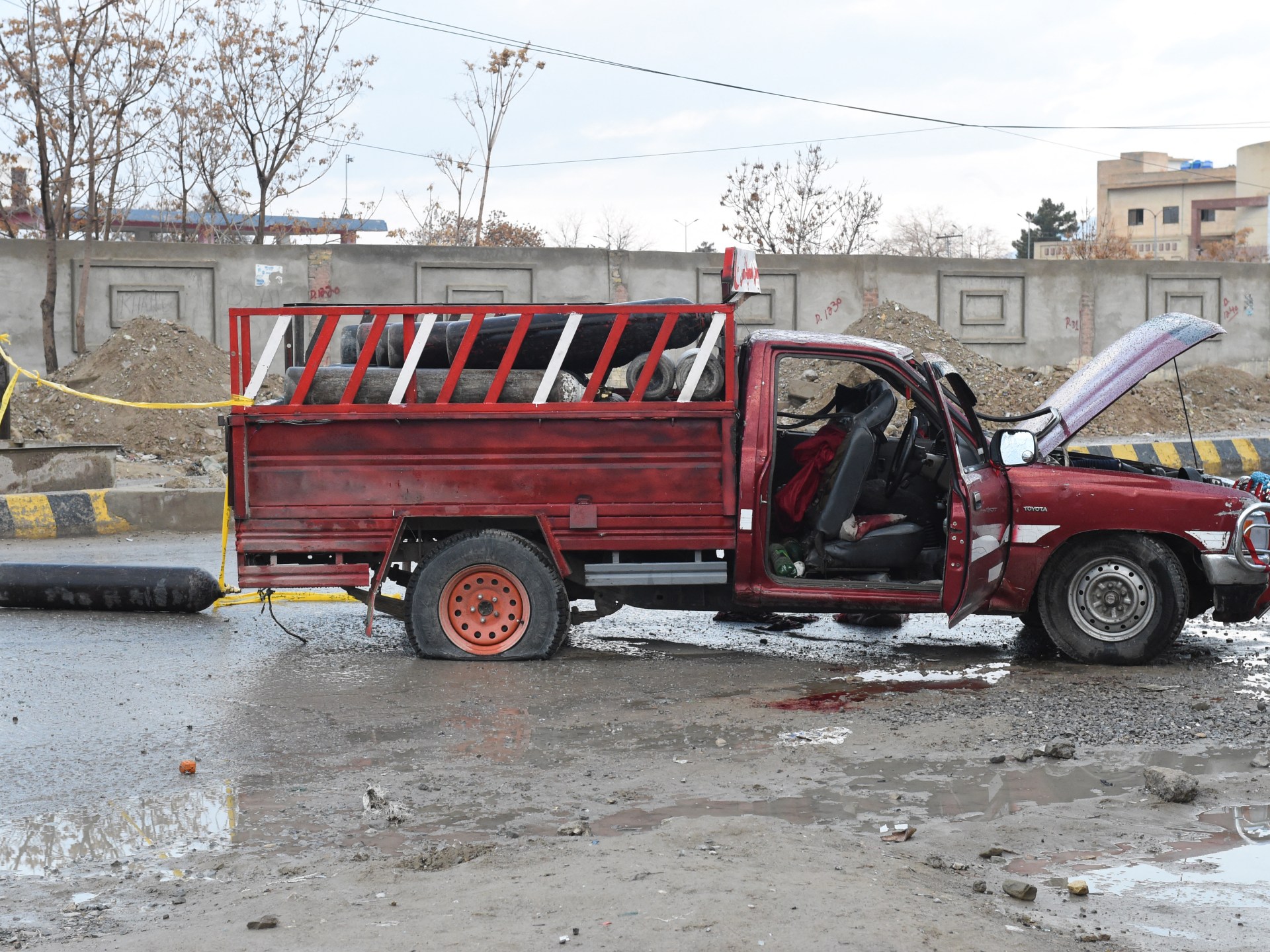
A recent surge in violence across Pakistan’s Balochistan province, involving coordinated separatist assaults across over a dozen locations, resulted in approximately 200 reported deaths, according to the Pakistani army. The incident, claimed by the banned Balochistan Liberation Army (BLA), marks one of the most significant escalations in the decades-long insurgency seeking an independent Baloch state.
Official Pakistani statements frame the BLA as a cornered enemy, asserting unwavering control following the fierce 40-hour conflict. However, the high casualty count, which included thirty-one civilians and seventeen security personnel, underscores the persistent instability in the region. This official narrative of dominance contrasts sharply with the reality on the ground, as reported by Al Jazeera.
Islamabad routinely attributes separatist actions to foreign interference, specifically labeling the BLA as agents of “India’s incitement.” This framing allows the Pakistani military to position itself as defending territorial sanctity against external rivals rather than managing an internal dispute rooted in local discontent. The case of Kulbhushan Jadhav remains a key exhibit in Pakistan’s assertion of external sabotage.
Locally, however, conversations in Quetta reveal deep-seated grievances concerning political marginalization and economic injustice. Residents note that despite Balochistan’s vast mineral wealth, poverty remains entrenched, with major infrastructure projects like the China-Pakistan Economic Corridor (CPEC) viewed as benefiting external powers more than local populations.
A security source emphasized the limitations of kinetic responses, stating that while a military force can neutralize a militant, it cannot neutralize a grievance. This perspective highlights the disconnect between the state’s focus on counter-terrorism and the population’s perception of their sons taking up arms due to systemic failures.
Furthermore, reports from the region cite endemic corruption that permeates public services, leaving little resource allocation for essential sectors like healthcare and education. A former chief minister anonymously described the situation by stating, “Everyone here is corrupt,” illustrating the erosion of the social contract.
True stability in the region requires a strategic calculus that moves beyond immediate body counts and security operations. Analysts suggest that achieving lasting peace necessitates recognizing the genuine discontent fueling separatism and ensuring that development translates into inclusive local benefit rather than mere resource extraction.
Balochistan’s strategic location, bordering Iran and Afghanistan, embeds the internal conflict within broader geopolitical currents involving China’s economic reach and regional power plays. Pakistan faces the complex task of navigating these external pressures while fundamentally addressing the internal fissures that continue to destabilize its largest province.