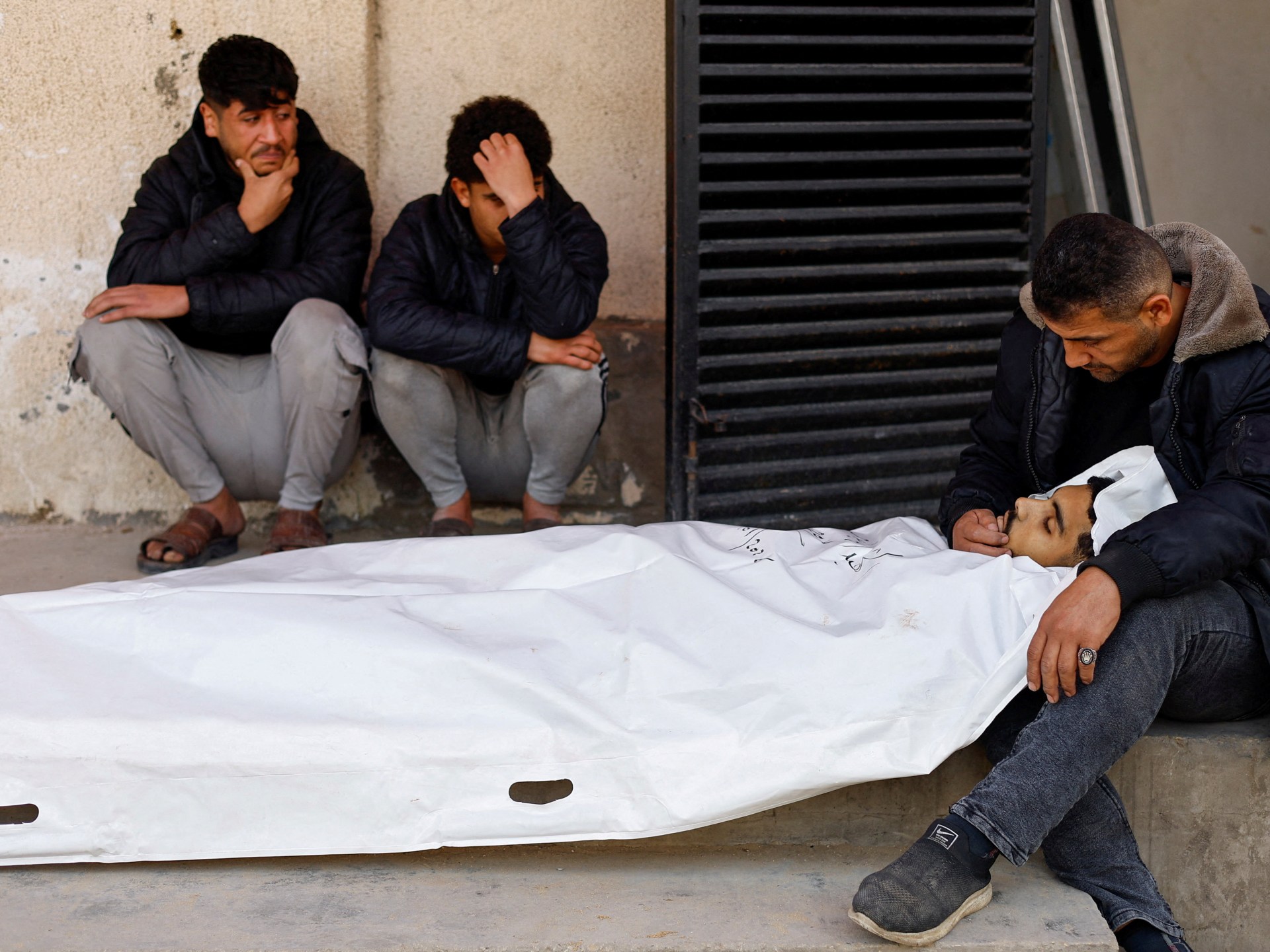
Relentless Israeli bombardment has killed at least 31 Palestinians, including six children, across the Gaza Strip just ahead of the anticipated reopening of the Rafah border crossing, medical sources reported on Saturday. An Israeli air strike targeting a tent sheltering displaced persons in the al-Mawasi area northwest of Khan Younis killed at least seven, including three minors, whose bodies were transferred to the Nasser Medical Complex.
In Gaza City, separate Israeli air attacks reportedly claimed the lives of at least five Palestinians, three of whom were children, in an apartment building in the Remal neighborhood. Emergency services confirmed the destruction of the residential flat, highlighting that these incidents occurred within the area designated as part of the first phase of the Israeli withdrawal under the existing ceasefire demarcation.
Philippe Lazzarini, the head of the United Nations agency for Palestinian refugees (UNRWA), condemned the ongoing attacks, stating that the current truce was "a ceasefire in name only." Key mediators Egypt and Qatar also voiced condemnation, urging restraint as they prepared for the scheduled Sunday reopening of the Rafah crossing, which links Gaza to Egypt.
Israel’s military asserted that the strikes were executed in retaliation for an incident on Friday where eight Palestinian fighters allegedly emerged from a tunnel in Rafah, constituting a breach of the ceasefire agreement. Hamas political bureau member Suhail al-Hindi dismissed these claims, labeling the actions "a fully fledged crime committed by a criminal enemy."
The planned reopening of the Rafah crossing, overseen by multiple parties including an EU mission, is intended for the second phase of the agreement, though Israel stated it would permit only limited movement of cleared individuals. Crucially, Palestinian officials noted that no humanitarian aid would be permitted entry under the announced terms, further straining the dire health situation.
The health directorate in Gaza called for the immediate entry of medical supplies and the facilitation of external evacuations for the wounded, given the rapid depletion of existing supplies. Hamas previously demanded that Israel allow movement in and out of Gaza without any restrictions, insisting on adherence to all segments of the truce arrangement.
These latest casualties add to the significant toll since the initial US-brokered ceasefire took effect, with Gaza’s Government Media Office reporting at least 524 Palestinian deaths attributed to Israeli forces during that period. The geopolitical implications involve heightened scrutiny on the viability of negotiated ceasefires amidst ongoing operational hostilities.