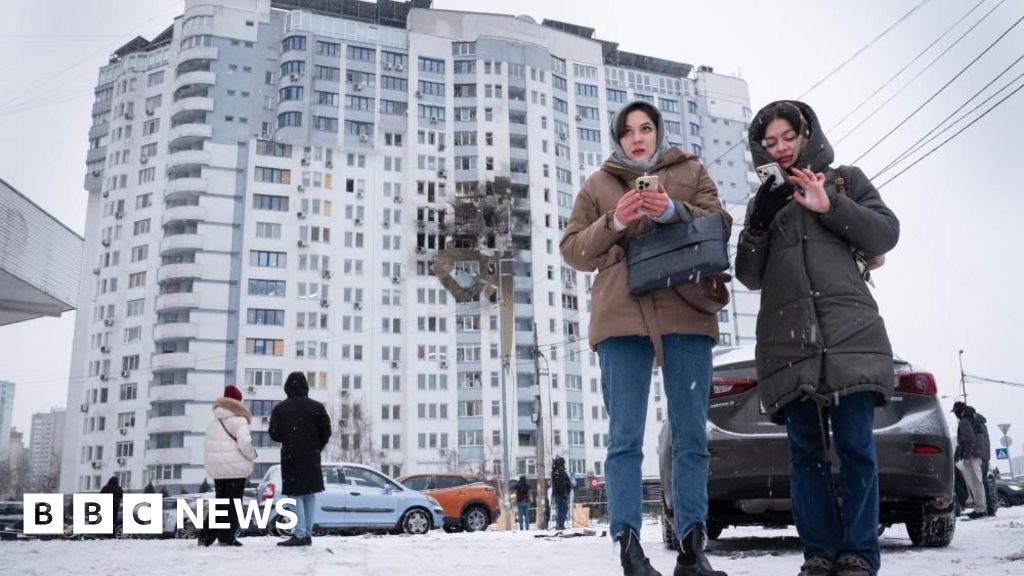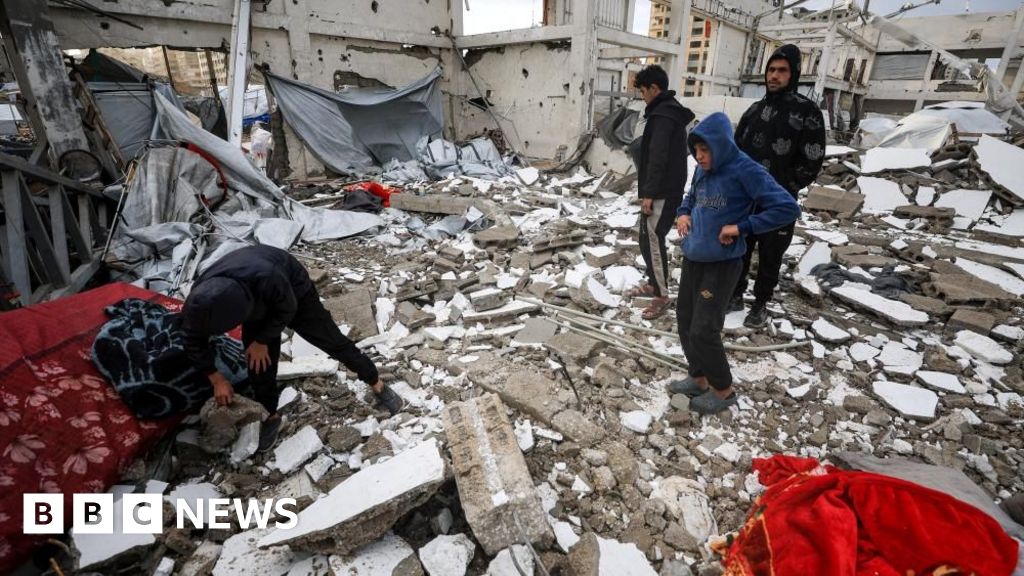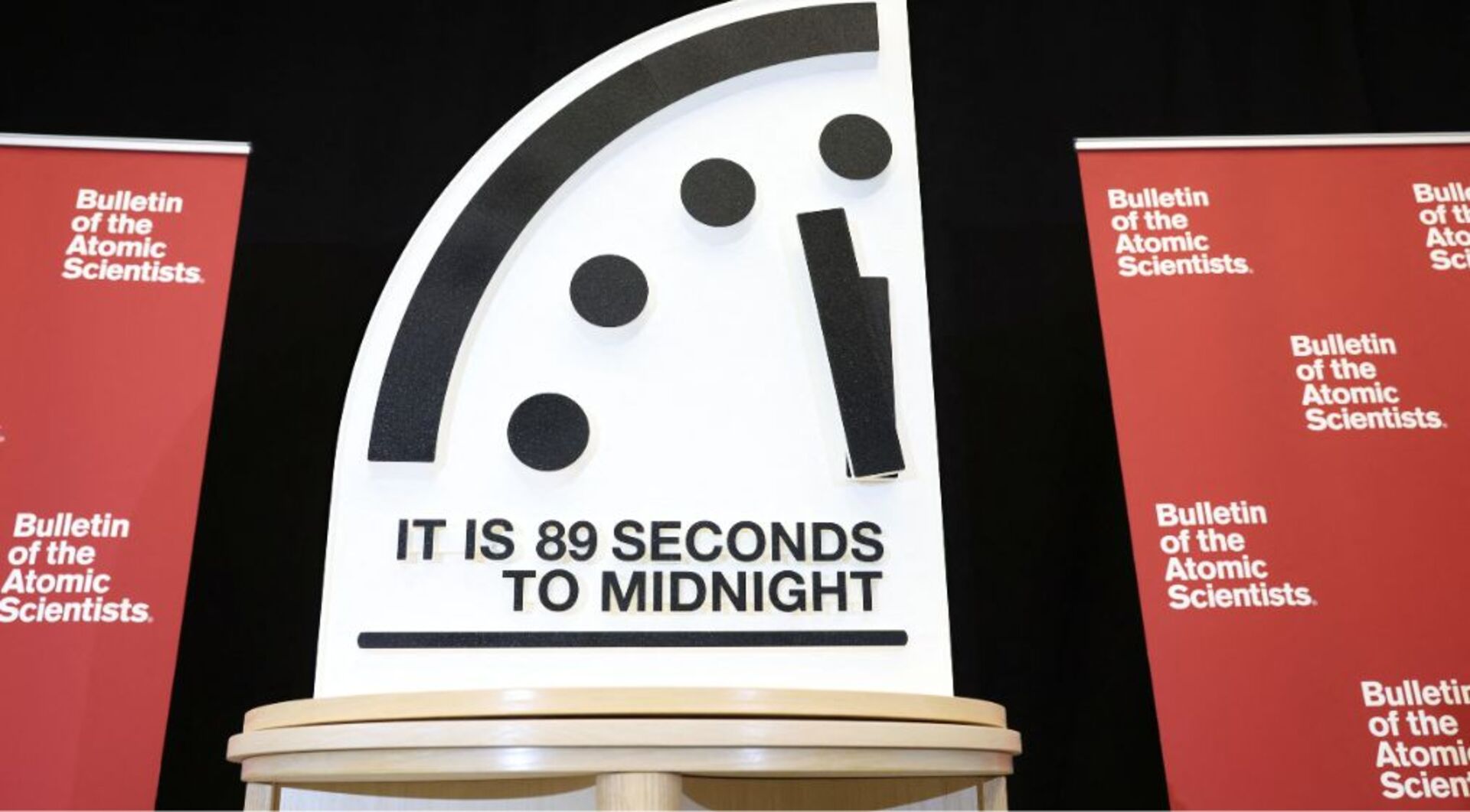
The Doomsday Clock has reached its closest approach to midnight ever recorded, according to the atomic scientists responsible for setting the symbolic timepiece, as reported by Al Jazeera referencing the Bulletin of the Atomic Scientists. This critical juncture signals profound global insecurity stemming from escalating international conflict and insufficient responses to existential threats.
Experts attribute the unprecedented setting to a confluence of factors, including heightened aggression among nuclear-armed states and the erosion of established arms control treaties. This environment increases the probability of catastrophic miscalculation, pushing global security metrics into dangerous territory.
Climate change continues to function as a major underlying risk factor, compounding geopolitical tensions as nations struggle with resource scarcity and environmental instability. The scientists emphasized that the world’s failure to adequately curb greenhouse gas emissions maintains significant long-term pressure on global stability.
Furthermore, the rapid advancement of artificial intelligence introduces novel, poorly understood risks that scientists now factor into their existential threat assessment. The potential for misuse of powerful AI systems in autonomous weaponry or widespread disinformation campaigns adds a new layer of complexity to global governance challenges.
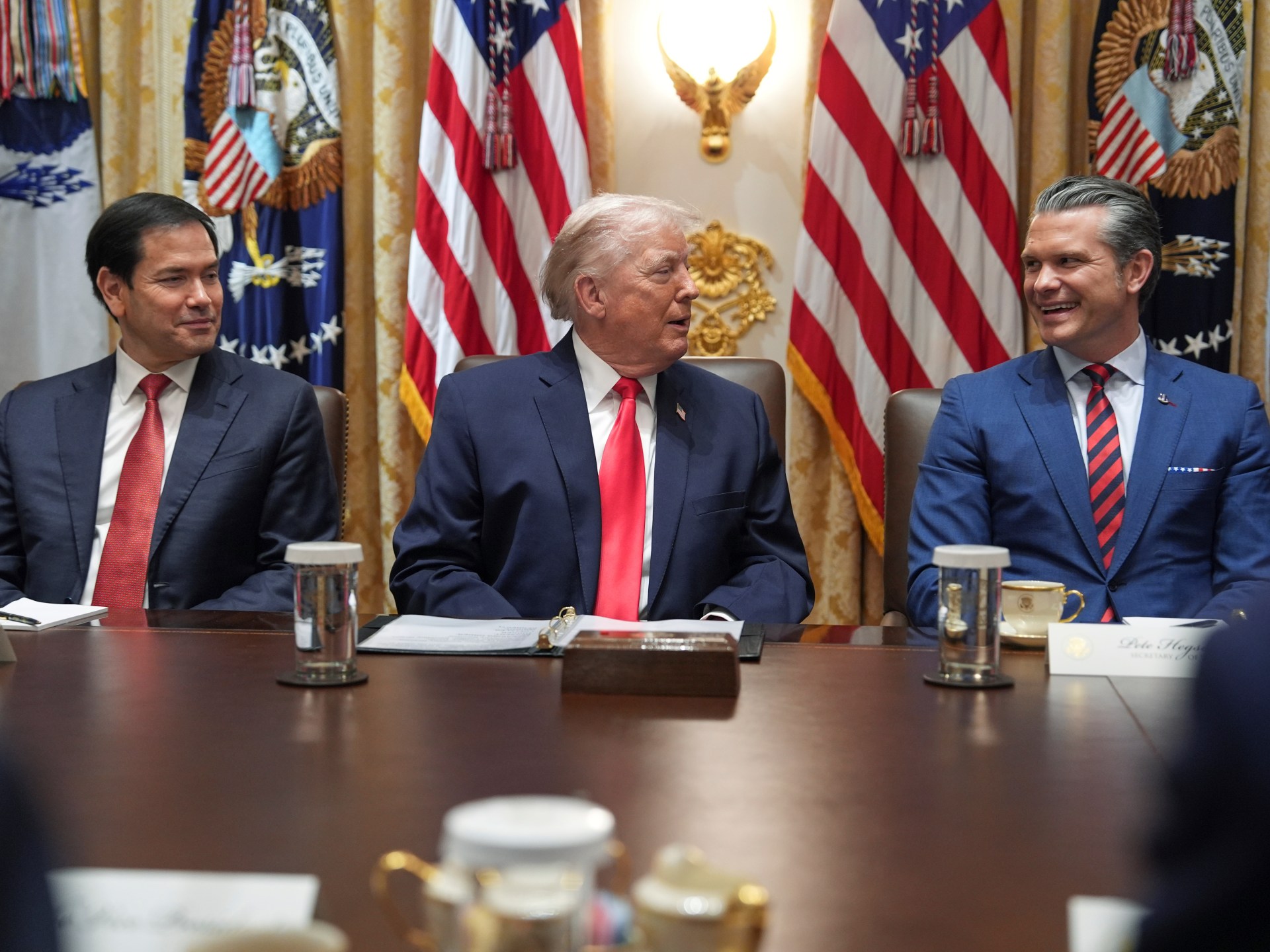
Karim Haggag, Director at the Stockholm International Peace Research Institute, and Ramesh Srinivasan, Professor at UCLA Department of Information Studies, provided context on the deteriorating security situation. Ben Aris, Founder and editor-in-chief of bne IntelliNews, also contributed analysis regarding the geopolitical climate influencing the decision.
The decision underscores a failure of global leadership to effectively manage technology proliferation and de-escalate major power confrontations. The symbolic proximity to midnight serves as a stark warning regarding the trajectory of international relations and technological oversight.
Looking ahead, the immediate implication is increased scrutiny on diplomatic efforts surrounding ongoing conflicts and the urgent need for international cooperation on AI governance standards. The scientists suggest that substantial, verifiable policy changes are required to move the clock back from this precarious position.