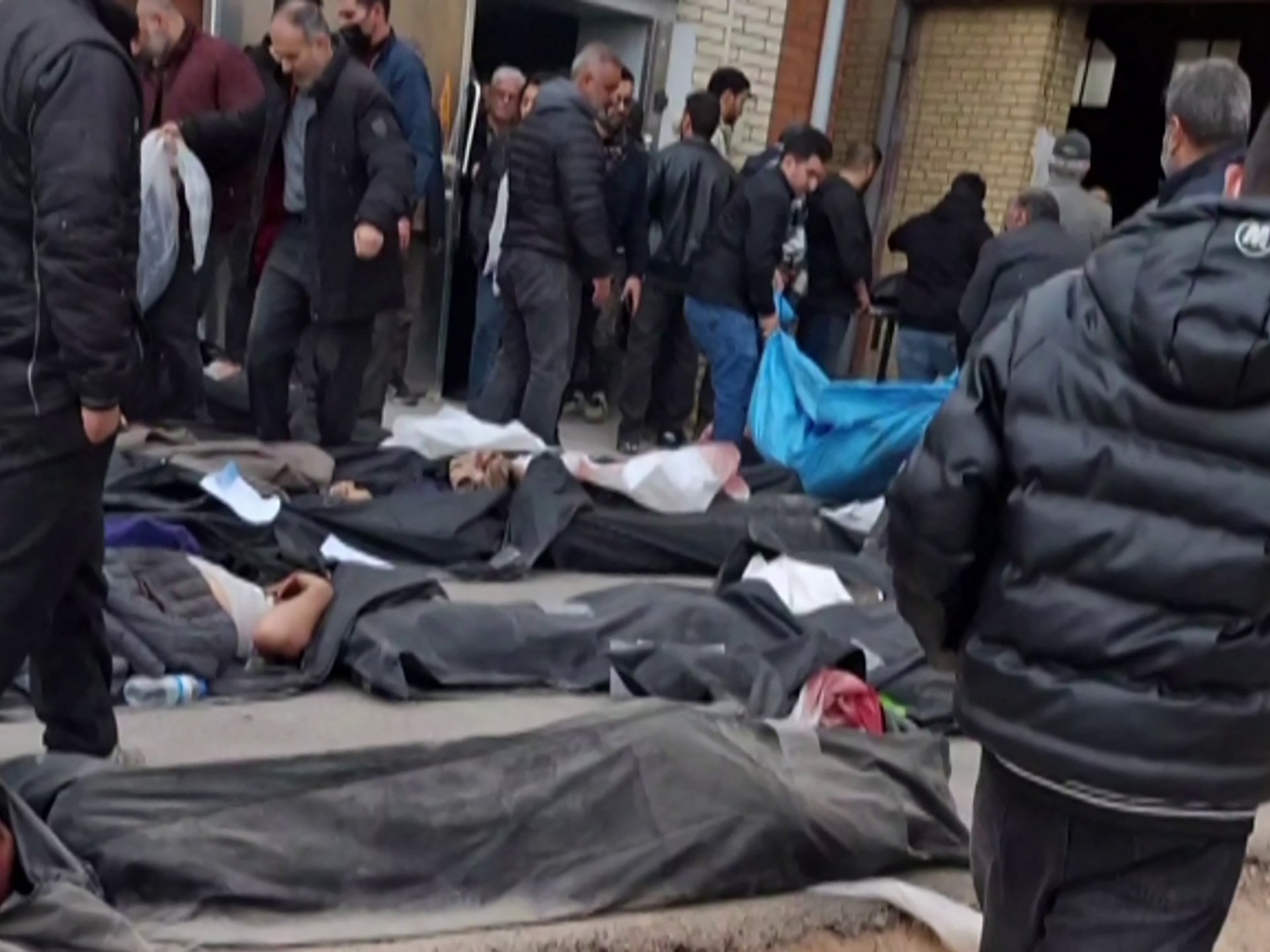
Contention surrounds the verified death toll following the crackdown on protests in Iran between January 8 and 10, with official government figures citing 3,117 fatalities, including security forces. Conversely, external estimates vary significantly, reportedly ranging between 5,000 and 36,500, creating an environment where data verification is difficult and potentially manipulated.
This wide numerical divergence suggests a concerted effort to utilize casualty figures to shape international opinion toward potential military intervention against Tehran, according to analysis derived from reports published by Al Jazeera. Human rights organizations like the US-based HRANA cite over 6,000 confirmed deaths, though the speed of their verification process warrants caution given the complexity of cross-referencing testimonies and visual evidence.
Major international media outlets have circulated the higher estimates, often citing anonymous sources within Iranian health or security sectors without independent confirmation. For instance, Iran International reported 36,500 deaths based on alleged security apparatus reports that were not made public, while Time magazine cited two unnamed Ministry of Health officials claiming up to 30,000 fatalities for just two days of unrest.
The UN Special Rapporteur on Iran, Mai Sato, offered a more conservative estimate around 5,000 but noted receiving unverified figures up to 20,000 from medical sources, highlighting the fragmented information flow exacerbated by restricted internet access within Iran.
Furthermore, some figures disseminated originate from sources affiliated with exiled political figures, such as ophthalmologist Amir Parasta, whose estimates have been linked to the son of the ousted Shah. Investigations by The Citizen Lab have previously exposed disinformation efforts linked to this political faction, suggesting these high numbers may constitute partisan estimates rather than neutral counts.
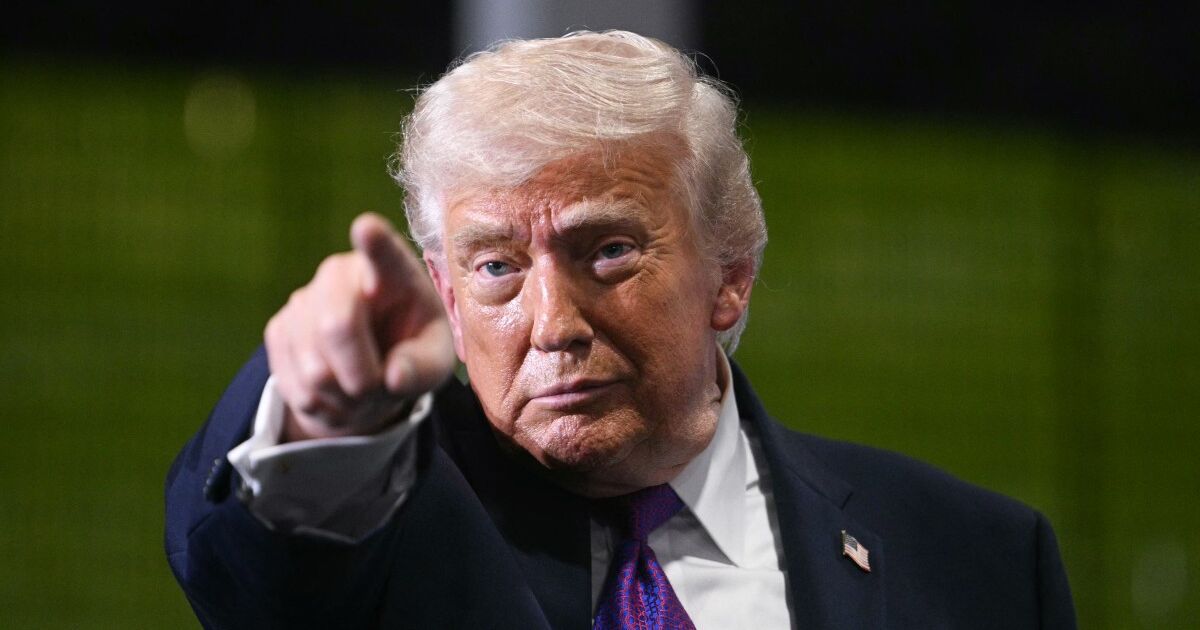
These inflated figures serve dual geopolitical purposes: supporting calls for foreign military action, as previously threatened by US leadership during the unrest, and simultaneously relativizing the scale of casualties in the conflict in Gaza. This dynamic creates a utilitarian tool for political actors seeking to justify intervention or minimize focus on other humanitarian crises.
In response to the pressure, Iranian President Masoud Pezeshkian ordered authorities to publicly release the names and data of all deceased individuals to establish a verification procedure. The effectiveness and transparency of this promised process remain subjects for future observation, given the structural obscurity surrounding the events.
Establishing greater transparency regarding the scale of the killings in Iran is crucial for accountability and for exposing media manipulation that may be setting the stage for unilateral military aggression in the Middle East. The difficulty in achieving definitive numbers underscores the challenges of independent verification in closed states.