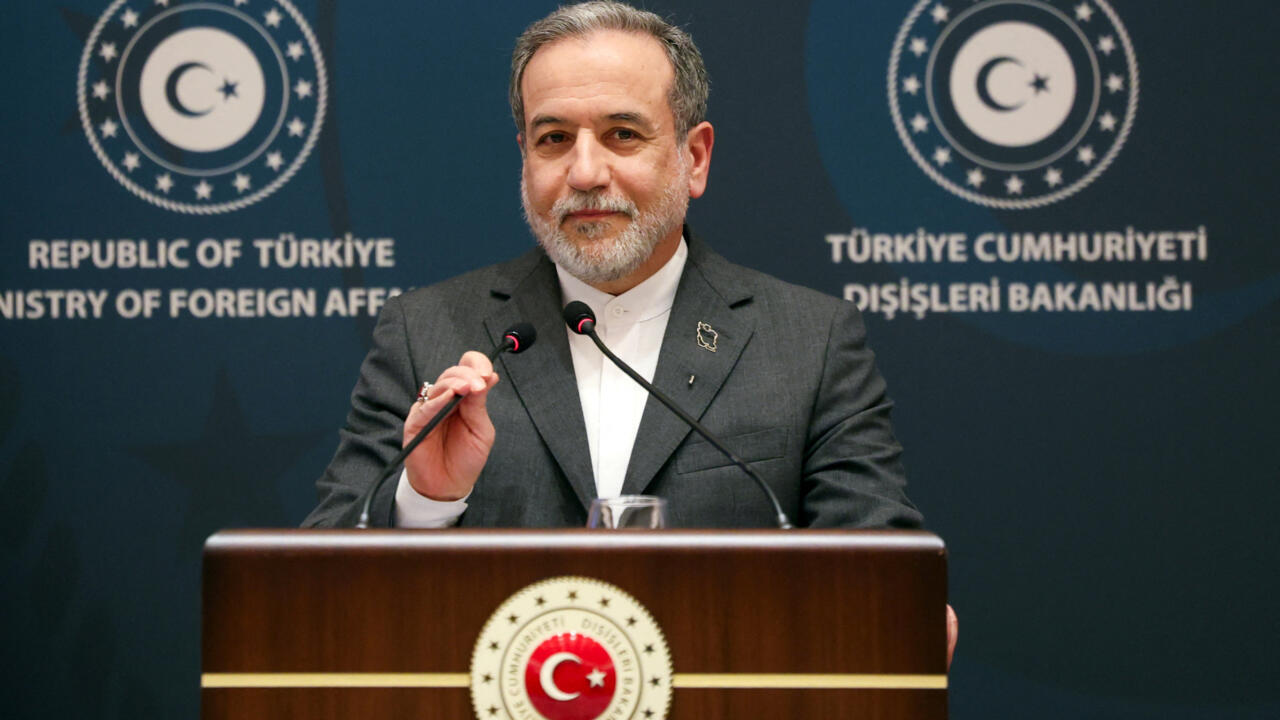
Iran's Foreign Minister convened in Turkey on January 30 amid an intensified diplomatic effort led by Ankara to mediate between Tehran and Washington. This engagement occurred shortly after US President Donald Trump moderated explicit threats concerning imminent military action against the Islamic Republic. Regional actors and allies of both nations have concurrently called for sustained diplomatic dialogue to prevent further crisis.
The immediate focus of these diplomatic maneuvers appears to be establishing off-ramps following a period of elevated cross-border friction and maritime incidents. Turkey’s involvement underscores its strategic position as a regional intermediary capable of engaging both capitals. Analysts suggest that while direct military confrontation has receded temporarily, the underlying economic and security disagreements offer little immediate flexibility for either side.
According to reports detailed by FRANCE 24's James André, the current situation illustrates the narrow diplomatic space available to both Washington and Tehran. The US maintains sanctions pressure designed to curb Iran's regional activities and nuclear program, while Tehran views these measures as economic warfare requiring firm resistance.
Economic implications remain significant, particularly concerning global energy markets dependent on stability in the Persian Gulf region. Unpredictability in this corridor often translates directly into volatility for oil futures trading in London and New York. Continued de-escalation is crucial for stabilizing commodity prices.
Regional security dynamics are also central to the mediation efforts, as neighboring states seek assurances against spillover effects from direct US-Iran confrontation. Gulf Cooperation Council (GCC) members are reportedly monitoring the diplomatic temperature closely, favoring reduced regional military posturing.
Observers note that while official rhetoric may soften, the structural challenges defining the US-Iran relationship—including proxy conflicts and adherence to international agreements—remain largely unresolved. These core issues constrain the scope of any short-term diplomatic breakthrough.
The coming weeks will test the efficacy of Ankara’s mediation, focusing on whether sustained dialogue can translate into concrete, verifiable confidence-building measures. The willingness of both Washington and Tehran to compromise on core security tenets will define the success of these recent diplomatic overtures.