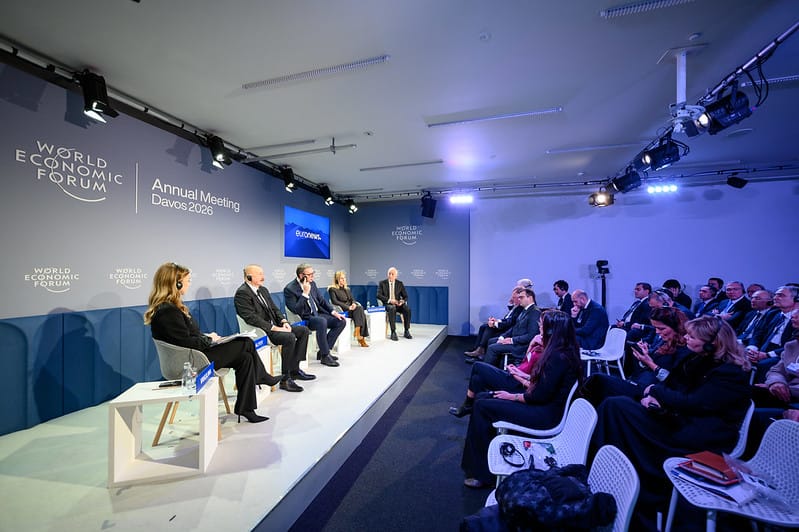
Global economic and political figures convened at the recent World Economic Forum in Davos to address the perceived instability of current Western institutional frameworks. This gathering occurred amidst growing concerns regarding the underlying health of the international financial architecture, according to reports from the event.
Analysts note that the current discussions reflect a broader acknowledgment of systemic stress within post-Yalta economic arrangements. This stress is frequently linked to sustained policy decisions favoring financial speculation over physical economic growth over the past three decades, as previously detailed in economic literature.
One central theme reportedly involved crafting new governance structures to manage an enormous speculative bubble, estimated by some observers to exceed $2.4 quadrillion. This figure represents a substantial increase from pre-2008 levels, suggesting that previous stabilization efforts may have expanded underlying risks rather than resolving them.
Canadian Prime Minister Mark Carney reportedly emerged as a key proponent for reorganizing these structures, advocating for coordination among what he termed “middle powers.” Carney’s background leading major financial stability bodies suggests a continuity with post-2008 interventionist policies, according to analyses of his tenure.
Critics argue that the approach championed by Carney and others risks repeating foundational errors by attempting to support the existing speculative framework. They contend that true recovery requires dismantling the current system and implementing state-backed credit mechanisms focused on productive capacity, a view previously articulated regarding systemic crises.
Concerns were raised regarding the potential geopolitical ramifications should this immense financial overhang require drastic intervention, potentially escalating international tensions. The challenge facing policymakers is balancing financial stabilization with avoiding further political fragmentation among major economies.
Ultimately, the Davos discussions signal a high-level scramble to establish new organizational paradigms before existing structures fully yield to financial pressures. The effectiveness of these proposed reorganizations will depend on whether they address the root causes of systemic leverage or merely manage the symptoms within the existing framework.